

Trump's Hormuz Blockade Threat Sparks Global Oil Market Uncertainty
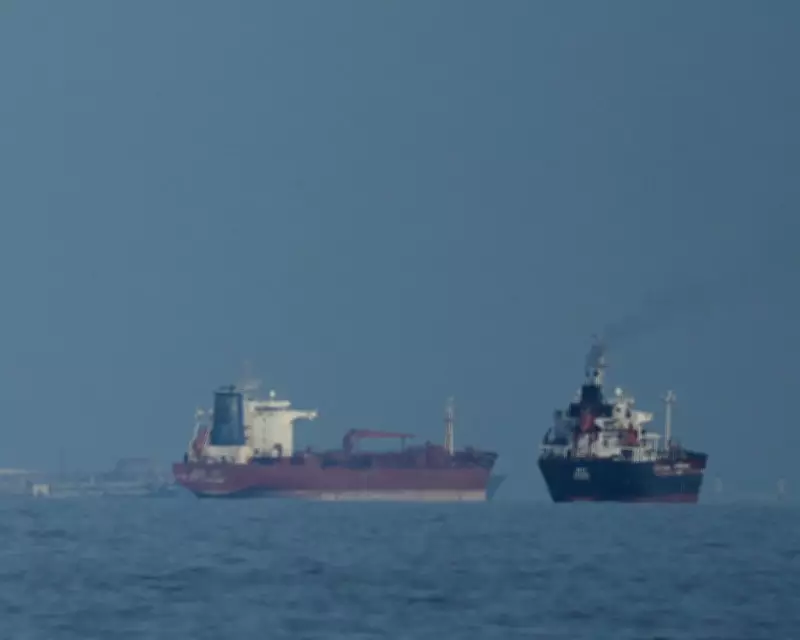
In a move that has sent shockwaves through international markets, former US President Donald Trump has declared that the United States Navy will initiate a blockade of the Strait of Hormuz. This announcement follows failed ceasefire negotiations with Iran over the weekend, reigniting fears of escalating tensions and economic disruption. The strait, a critical maritime chokepoint, typically facilitates the transit of approximately 20% of the world's oil, making any interference a significant threat to global energy supplies and inflation rates.
What Has Trump Announced Regarding the Blockade?
On Sunday, Trump took to social media to proclaim, "The United States Navy, the Finest in the World, will begin the process of BLOCKADING any and all Ships trying to enter, or leave, the Strait of Hormuz." He accused Iran of "WORLD EXTORTION" and warned that any attacks on US vessels would result in severe consequences. However, hours later, US Central Command clarified that the blockade would be limited to ships heading to Iranian ports, while allowing passage to ports of US allies in the Gulf. The enforcement is set to commence at 10am ET (2pm GMT), with Trump claiming support from allies, though the UK and Australia have indicated they will not participate.
Why Threaten a Blockade If the Goal Is to Reopen the Strait?
The reopening of the Strait of Hormuz emerged as a major point of contention in recent US-Iran talks. Iran has proposed retaining control post-conflict and imposing fees of up to $2 million per ship, a plan rejected by Trump and other leaders as an infringement on navigational freedoms. Despite Trump's assertions that reopening is not his sole responsibility, he faces mounting pressure to resolve the closure to avert a deeper global economic crisis. Successfully implementing a blockade could strip Iran of its key leverage, potentially clearing the strait for trade and lowering oil prices.

How Would the Blockade Operate?
Details on the blockade's execution remain sparse, with the US military yet to specify the number of warships, use of warplanes, or involvement of Gulf allies. Experts suggest that direct military strikes are unlikely due to environmental risks. Instead, the US Navy may employ threats to divert vessels, resorting to armed boarding parties if necessary. Dana Stroul, a former Pentagon official, noted, "Trump wants a quick fix. The reality is, this mission is difficult to execute alone and likely unsustainable over the medium to long term."
Impact on Oil Prices and Global Markets
The blockade threat has already triggered volatility in oil markets, with US crude rising 8% to $104.24 a barrel and Brent crude up 7% to $102.29. Kevin Book of ClearView Energy Partners explained that reduced shipping volumes typically lead to tighter markets and higher prices, with Iran's response being a critical factor. Since late February, Brent crude has surged from around $70 to as high as $119 amid the conflict. While blocking Iranian oil exports could cut off regime funding, it may also drive prices higher by constraining global supply.
Future of US-Iran Ceasefire and Regional Stability
Iran's Revolutionary Guards have warned that any warships enforcing the blockade would violate the ceasefire and face strong retaliation, asserting continued control over the strait. Trump has hinted at resuming strikes inside Iran, targeting facilities like missile factories, as reported by The Wall Street Journal. This stalemate in peace talks underscores the fragile nature of the ceasefire and the potential for renewed hostilities, further complicating efforts to stabilise the region and global economy.






