
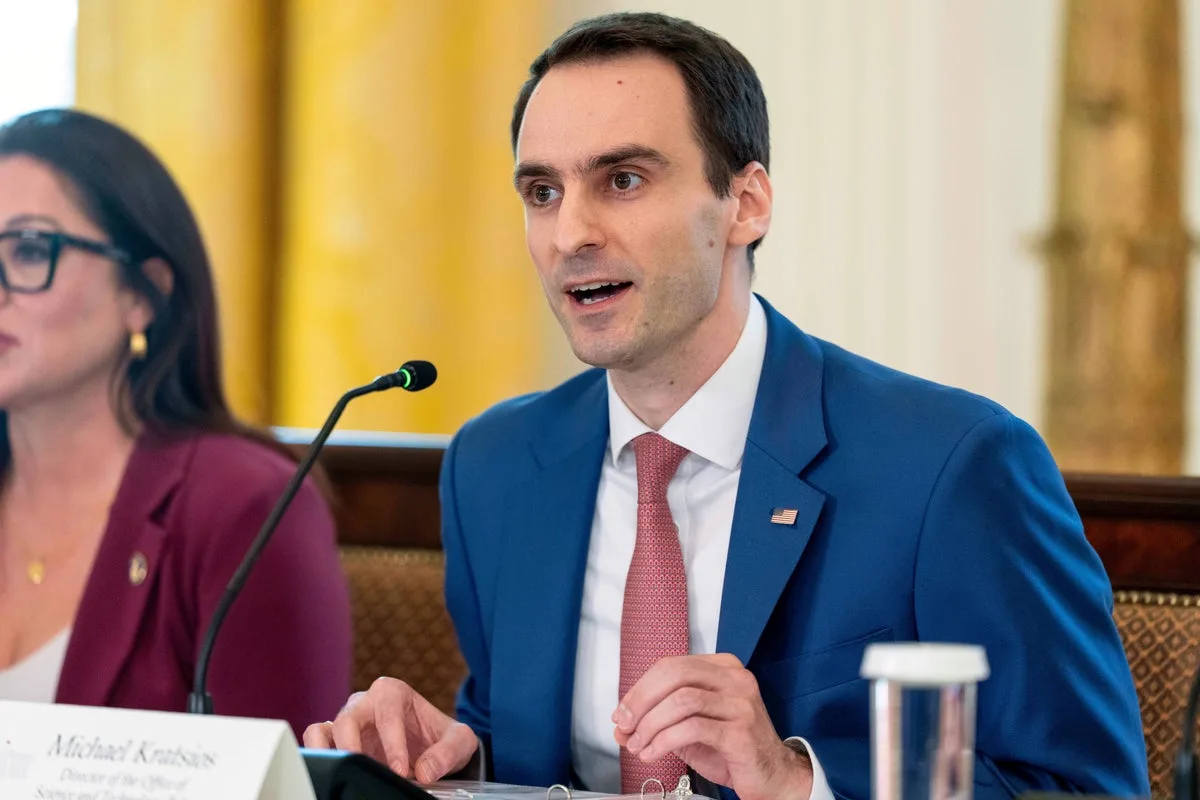
The Trump administration has pledged to crack down on foreign technology companies exploiting American artificial intelligence models, with a particular focus on China. In a memo released on Thursday, Michael Kratsios, the president's chief science and technology adviser, accused entities 'principally based in China' of engaging in deliberate, industrial-scale campaigns to extract capabilities from leading US AI systems.
The administration said it would work with American AI companies to identify such activities, build defences and find ways to punish offenders. The move comes as China closes the gap with the US in the AI race, with a recent Stanford University report noting that the performance gap between top US and Chinese AI models has 'effectively closed'.
China's embassy in Washington rejected the accusations, stating it opposed 'the unjustified suppression of Chinese companies by the US'. Spokesperson Liu Pengyu said China was committed to protecting intellectual property rights and promoting progress through cooperation and healthy competition.
The memo coincided with a House Foreign Affairs Committee vote on a bill that would establish a process to identify and sanction foreign actors extracting key technical features from closed-source US AI models. Representative Bill Huizenga, who sponsored the bill, described model extraction attacks as 'the latest frontier of Chinese economic coercion and theft of US intellectual property'.
The issue gained prominence after Chinese start-up DeepSeek released a low-cost AI model that rivalled US giants. David Sacks, then serving as AI and crypto adviser to President Trump, alleged that DeepSeek had distilled knowledge from OpenAI's models. OpenAI and Anthropic have also made similar allegations against Chinese AI labs.
Kyle Chan, a fellow at the Brookings Institution, noted that distinguishing unauthorised distillation from legitimate data requests would be like 'looking for needles in an enormous haystack'. He suggested that information sharing among US labs, with government facilitation, could help, but added that the House bill's prospects may be limited as President Trump prepares for a planned state visit to Beijing in mid-May.




