
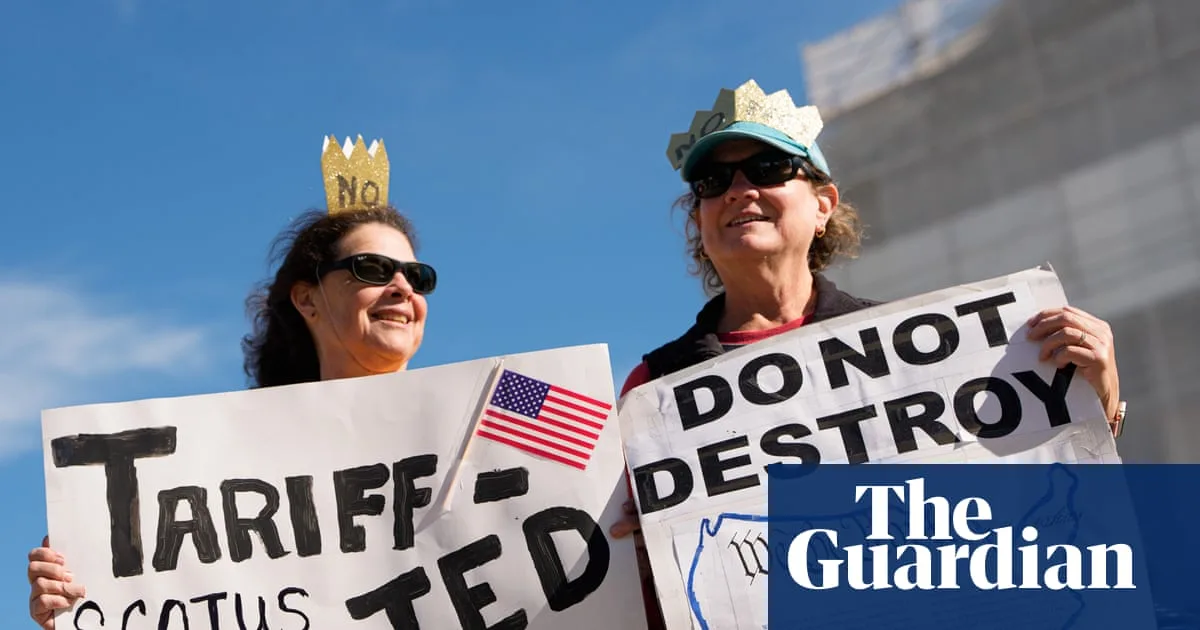
The US Supreme Court ruled on Friday that many of Donald Trump’s tariffs were unlawful, delivering a significant blow to the president’s aggressive trade agenda. In a 6-3 decision, the justices determined that the 1977 International Emergency Economic Powers Act (IEEPA) did not authorise the sweeping duties imposed on numerous countries during peacetime.
The court held that the power to levy tariffs belongs exclusively to Congress under the Constitution. The majority opinion stated that the Framers “recognised the unique importance of this taxing power” and “did not vest any part of the taxing power in the executive branch.” The ruling cited the “major questions doctrine”, preventing the executive from using ambiguous statutory language to justify consequential actions.
President Trump swiftly condemned the justices who sided against him, calling them “a disgrace to the nation” during a press conference. He announced plans to enact a 10% global baseline tariff under Section 122 of the Trade Act of 1974, which allows temporary duties for 150 days. The administration will also launch investigations into unfair trade practices that could lead to permanent tariffs.
The White House had conceded that the president “enjoys no inherent authority to impose tariffs during peacetime”, relying instead on IEEPA. The court noted that when Congress has delegated tariff powers, it has done so “in explicit terms and subject to strict limits”, and that the president must “point to clear congressional authorisation” to justify such measures.
The majority comprised the court’s liberal bloc—Justices Sotomayor, Kagan, and Jackson—joined by Chief Justice Roberts and Trump appointees Gorsuch and Barrett. In dissent, Justice Kavanaugh argued the ruling essentially meant Trump “checked the wrong statutory box” and could raise serious questions about refunds, which “would have significant consequences for the US Treasury.”




