

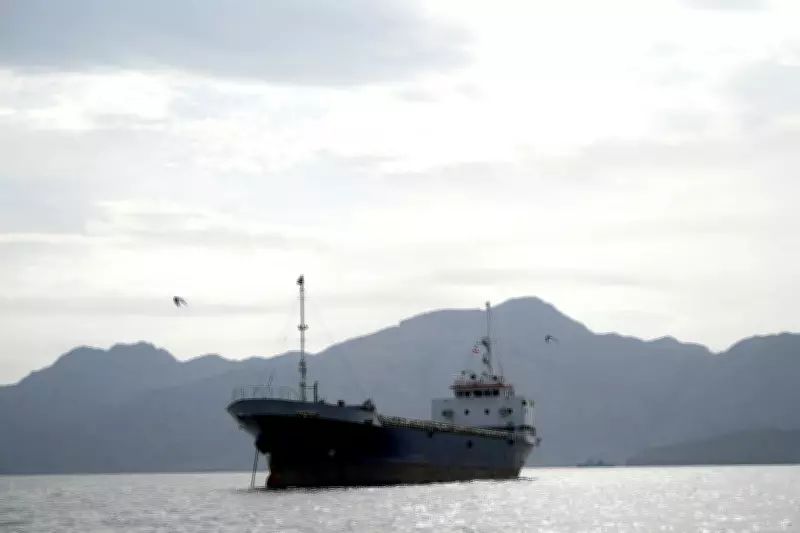
Strait of Hormuz Traffic Shows Minimal Disruption After US Blockade Imposed
A US-imposed blockade on vessels calling at Iranian ports appears to have had minimal immediate impact on traffic through the strategically vital Strait of Hormuz. On Tuesday, at least eight ships, including three linked to Iran, successfully navigated the crucial waterway, despite the new restrictions coming into force.
Blockade Details and Initial Observations
The measure was announced by former US President Donald Trump on Sunday, following the collapse of peace talks between the United States and Iran in Islamabad. It officially came into effect at 3pm UK time on Monday, aiming to restrict maritime access to Iranian ports. However, initial data suggests that the blockade's impact has been limited in its first day of enforcement.
Overall traffic through the strait remains significantly lower than the 130-plus daily crossings observed before the US and Israel's conflict with Iran began. This decline reflects the ongoing tensions and broader disruptions in the region, rather than solely the new blockade measures.

Conflicting Reports and Specific Exemptions
US Central Command offered a contrasting perspective on the situation, stating on social media platform X: "During the first 24 hours, no ships made it past the US blockade." This statement highlights potential discrepancies in monitoring or definitions of compliance.
The three Iran-linked vessels that transited the strait were not bound for Iranian ports and were therefore unaffected by the blockade's specific terms, which target only ships calling at Iranian destinations. This nuance explains why some traffic continued unimpeded, as the blockade does not restrict all maritime movement through the area.
Broader Context and Regional Implications
The Strait of Hormuz is a critical chokepoint for global oil shipments, handling about one-fifth of the world's petroleum consumption. Any significant disruption here can have far-reaching effects on energy markets and international trade. The current situation underscores the delicate balance between enforcement actions and the practical realities of maritime logistics.
In related developments, Tehran is reportedly considering a "pause" to Strait of Hormuz shipments as part of its strategic calculations. Meanwhile, Trump has indicated that talks with Iran could resume this week, suggesting ongoing diplomatic maneuvering amidst the military and economic pressures.
The minimal immediate impact of the blockade may prompt reassessments of its effectiveness or lead to adjustments in its implementation. Stakeholders will be closely watching traffic patterns and regional responses in the coming days to gauge the long-term consequences of this US-led initiative.






