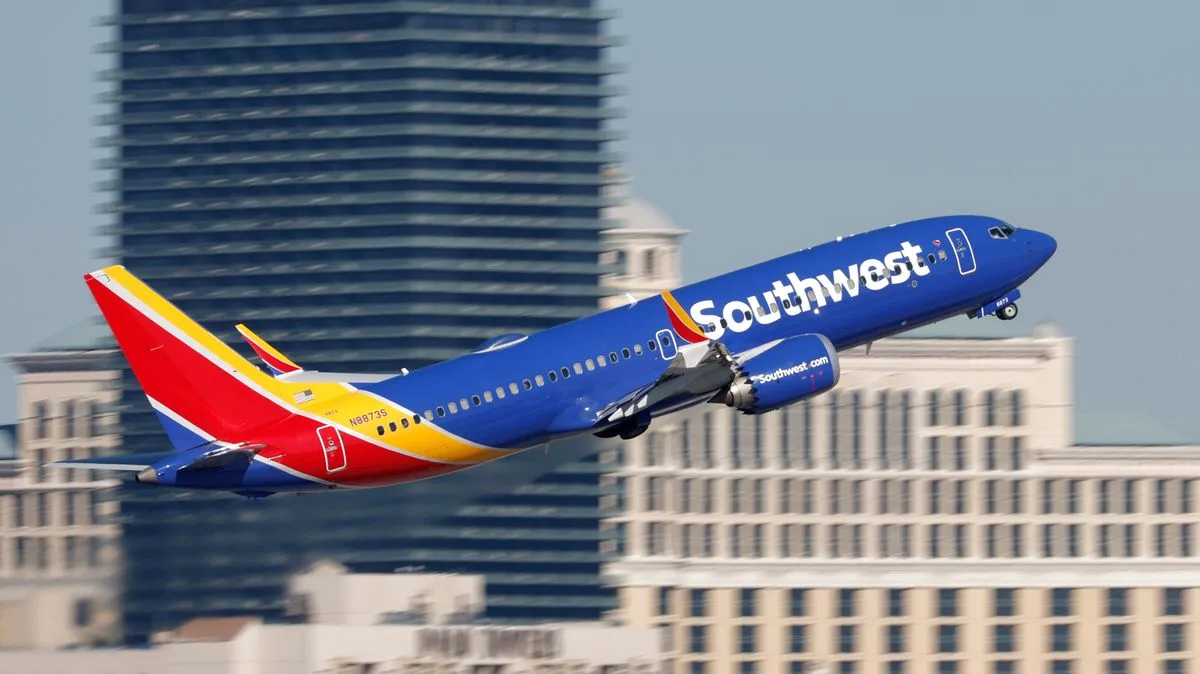
Southwest's 'Customer of Size' Policy Sparks Passenger Outcry Over Fairness
Southwest's Plus-Size Policy Causes Passenger Issues and Backlash

Southwest Airlines' New Plus-Size Policy Triggers Passenger Complaints and Fairness Concerns

Southwest Airlines is facing significant backlash from customers over its recently implemented "Customer of Size" policy, which mandates that overweight travelers purchase additional seats. Critics have labeled the policy a "fat tax," arguing that its enforcement relies on subjective discretion rather than clear guidelines, leading to unfair and embarrassing experiences at airports.

Passengers Report Humiliating Encounters and Financial Burdens

Several passengers have come forward with distressing accounts of being flagged under the new policy. Erika DeBoer, 38, shared on TikTok that during a recent flight check-in, a Southwest gate worker insisted she buy an extra seat for the "safety and comfort" of others, despite her sitting between a window and her best friend, who had no issue. After consulting a supervisor, DeBoer was forced to pay $176 for another seat or be denied boarding. Although Southwest later refunded the ticket and provided a $150 voucher, the incident left a lasting impact due to the insensitive language used by staff.

In another case, Jessica Skinner was stopped by a Southwest agent while traveling from Tampa to Austin-Bergstrom International Airport, told she was too large for her seat. This delay caused her to miss bag check deadlines, forcing a rebooking. Skinner, who had recently lost 200 pounds and claimed she did not extend beyond her seat, described the agent as rude, quoting, "You're going to need an extra seat because you're wide at the bottom and you're going to spill into the other seat."

Wide Pickt banner — collaborative shopping lists app for Telegram, phone mockup with grocery list

Lack of Clear Criteria Fuels Subjectivity and Bias Fears

Grace Simpson experienced a similar ordeal, being flagged as a "customer of size" during a connecting flight in San Diego after an uneventful leg from Norfolk to Baltimore. She refused to buy another ticket, noting that the supervisor seemed uncomfortable enforcing the policy. Simpson highlighted the absence of defined criteria, stating, "When enforcement is based on 'sole discretion' instead of defined guidelines, it feels subjective — and that directly impacts fairness." She warned that without objective standards, employees' real-time judgments could lead to bias and more frustrating airport encounters.

Southwest's policy offers limited guidance, suggesting that passengers whose size lifts or extends beyond an armrest may need an extra seat, but reserves the right to enforce it based on safety concerns, regardless of armrest movement. The airline states, "The armrest is considered to be the definitive boundary between seats," yet emphasizes its "sole discretion" in decisions.

Growing Calls for Transparency and Policy Reform

As reports of these incidents circulate, passengers are urging Southwest to clarify its guidelines to prevent arbitrary enforcement. The policy's reliance on employee discretion has raised questions about consistency and fairness, with many arguing it disproportionately targets overweight individuals without clear justification. Southwest has not yet commented publicly on the criticisms, but the ongoing backlash suggests a need for review to balance safety concerns with respectful customer treatment.

Pickt after-article banner — collaborative shopping lists app with family illustration




