
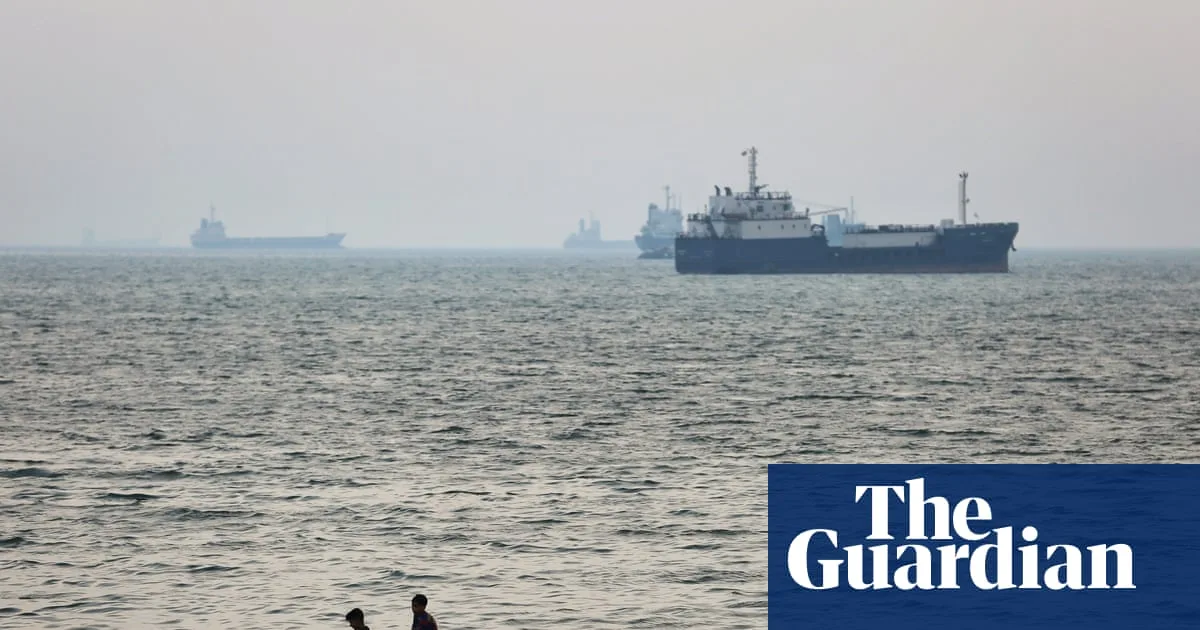
Iranian forces have seized two ships in the Strait of Hormuz, escalating tensions with the United States as both nations maintain separate blockades of the critical waterway. The strait, through which about 20% of the world's oil and liquefied fossil gas passed during peacetime, remains closed amid a deepening global economic crisis.
Mohammad Bagher Ghalibaf, speaker of the Iranian parliament and lead negotiator, said on Wednesday that reopening the strait would be 'impossible' while the US and Israel commit 'flagrant' ceasefire breaches, including the US naval blockade. Iran's Islamic Revolutionary Guard Corps (IRGC) reported stopping two vessels—the Panama-flagged MSC Francesca and Liberia-flagged Epaminondas—accusing them of attempting to exit the strait covertly. Greece confirmed an attack on a Greek-owned cargo ship.
The seizures mark the first time Iran has taken control of ships since the war began on 28 February. They follow US actions against Iranian vessels in the Indian Ocean. Meanwhile, US President Donald Trump threatened violence before extending a ceasefire, with the White House saying Iran is 'in a very weak position' and losing $500m a day due to the blockade.
The closure has caused fuel price hikes and threatens long-term inflation. Asian countries dependent on Gulf oil face shortages of fuel, fertiliser and raw materials. Germany halved its 2026 growth forecast to 0.5%, while Greece announced €500m in extra aid. The International Maritime Organization reported about 20,000 seafarers and 2,000 ships stranded in the Gulf.
Pakistan had prepared for peace talks in Islamabad, but Iran never accepted the invitation and the US delegation did not leave Washington. A Pakistani official called the failed talks 'a setback we were not expecting'.




