

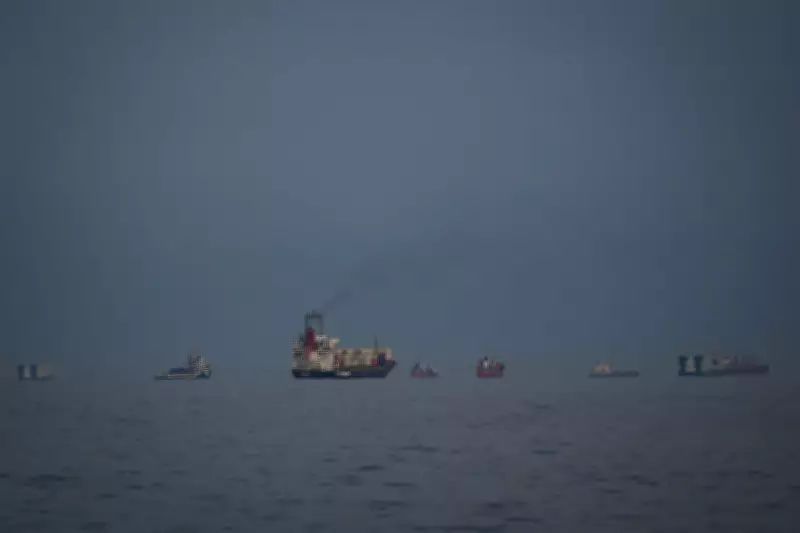
Maritime Traffic Through Strait of Hormuz Plummets Amid Iran Conflict
Since early March, the Strait of Hormuz, a critical maritime chokepoint responsible for transporting approximately one-fifth of the world's crude oil, has experienced a severe reduction in shipping activity. This decline follows the outbreak of war with Iran, leading to widespread suspensions in vessel movements. Despite the conflict, Iran has successfully exported over 16 million barrels of oil since March, with China emerging as the primary buyer due to existing Western sanctions that limit other markets.
Significant Drop in Vessel Crossings
Between March 1 and 15, only about 90 vessels traversed the strait, a figure that includes 16 oil tankers. This represents a substantial decrease compared to pre-war levels, with many of these transits being classified as "dark," likely linked to Iranian operations to avoid detection. The overall halt in traffic has disrupted global oil supply chains, contributing to heightened market volatility.
Diplomatic Efforts Enable Limited Passage
In response to the crisis, diplomatic interventions have allowed some vessels to navigate the strait safely. Specifically, India and Pakistan-flagged ships have managed to cross after negotiations with Iranian authorities. Additionally, Iraq is currently in discussions to secure passage for its oil tankers, aiming to mitigate the impact on its own exports. These efforts highlight the complex geopolitical dynamics at play in the region.

Economic and Political Ramifications
The suspension of traffic has driven oil prices to surge by over 40 per cent, pushing them above $100 a barrel. In reaction, former President Donald Trump has urged allied nations to collaborate on reopening the strait to restore normalcy. Concurrently, the US Treasury Secretary has confirmed that Iranian tankers are being permitted through to supply global markets, a move aimed at stabilizing prices but also raising questions about enforcement of sanctions.
The situation underscores the strategic importance of the Strait of Hormuz and the broader implications for international trade and energy security. As conflicts persist, monitoring these developments will be crucial for understanding future shifts in global oil dynamics and diplomatic relations.






