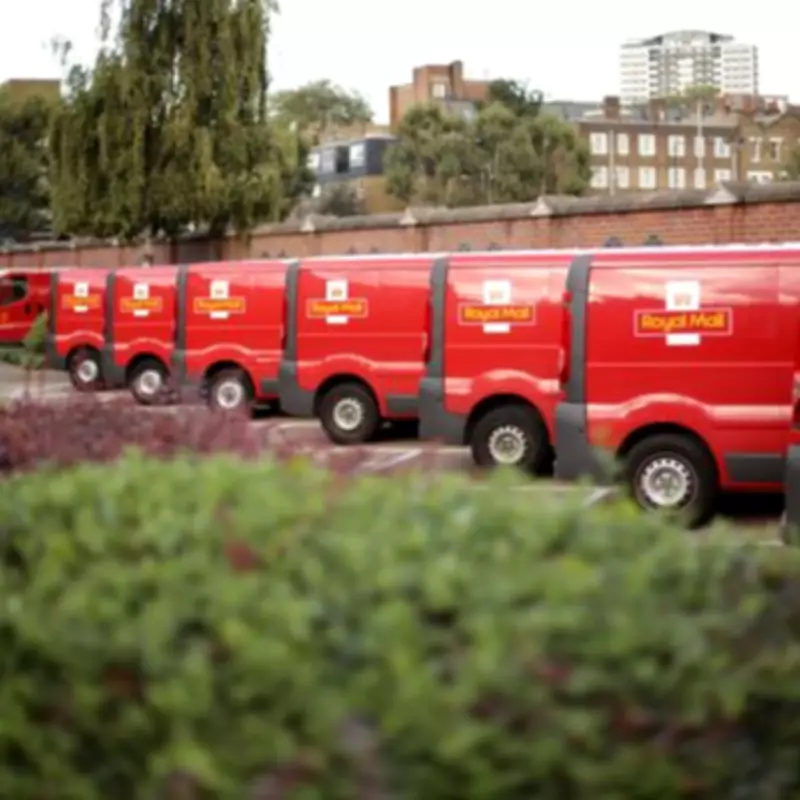
Royal Mail Boss Denies Business Deterioration Despite 220 Million Late Deliveries
Royal Mail's new Czech billionaire owner, Daniel Kretinsky, has issued an apology for the postal giant's delivery "chaos" but firmly denied that the service is getting worse. This comes amid revelations that an estimated 220 million letters, both first and second class, are projected to arrive late this year, sparking concerns over the reliability of the national postal service.
Apology Without Unconditional Promises
During a rare public appearance before the Commons Business Select Committee, Kretinsky expressed deep regret for any delays, stating, "Of course I am deeply sorry for any letters that arrive late." However, he stopped short of offering an unconditional commitment to resolve the issues, emphasising the need for reforms to the Universal Service Obligation (USO), which mandates six-day-a-week letter deliveries to all UK addresses.
"Not unconditionally. We need to implement the USO reforms. Without the reforms we have no way of how to fix it," Kretinsky told MPs, including committee chair Liam Byrne, who pressed him to do "whatever it takes" to restore service standards. Kretinsky, describing himself as a "numbers person," asserted his belief in Royal Mail's future, driven by challenge rather than profit, though he acknowledged that value creation would follow from doing the right thing.

Union Warnings and Service Chaos
In stark contrast, Communication Workers Union (CWU) general secretary Dave Ward painted a grim picture of the current state of Royal Mail, labelling the service as "chaotic" and warning of potential industrial action. Ward highlighted that 20,000 staff have been cut since privatisation, significantly increasing workloads for remaining employees and creating a demoralising work environment.
"All they want to do is come into work and deliver their deliveries as they always used to do. Now they come into work and they know it is going to be extremely difficult to get through all of the workload," Ward explained. He added that strikes are possible, stating, "We don't want to be in a position where we have to talk about industrial action, but we cannot rule it out."
Financial Decisions and Operational Issues
Ward also criticised Royal Mail's financial management, pointing out that in 2022, the company returned nearly £600 million to investors through dividends and share buybacks, only to claim near-bankruptcy shortly after. He attributed delivery problems to past schemes that incentivised managers to reduce delivery routes and replace long-term workers with new terms, calling it a "self-inflicted problem."
Further allegations from CWU deputy general secretary Martin Walsh claimed that postal workers were instructed to leave doctors' letters in sorting offices to prioritise special delivery and tracked items, exacerbating delays in critical communications.
Stamp Price Hikes and Broader Impacts
The controversy unfolds as Royal Mail prepares to increase stamp prices from April 7, with first class stamps rising by 10p to £1.80 and second class by 4p to 91p. This marks a 181% increase over the past decade, from 64p in 2016, adding to consumer burdens amid service failures.
Liam Byrne underscored the wider societal impact, noting that late deliveries lead to missed hospital appointments and other disruptions, stating, "It's badly affecting our national life as a country." Kretinsky, who completed a £3.6 billion takeover of Royal Mail's owner International Distribution Services last year, remains optimistic but faces mounting pressure from unions, regulators, and the public to address these systemic issues.