

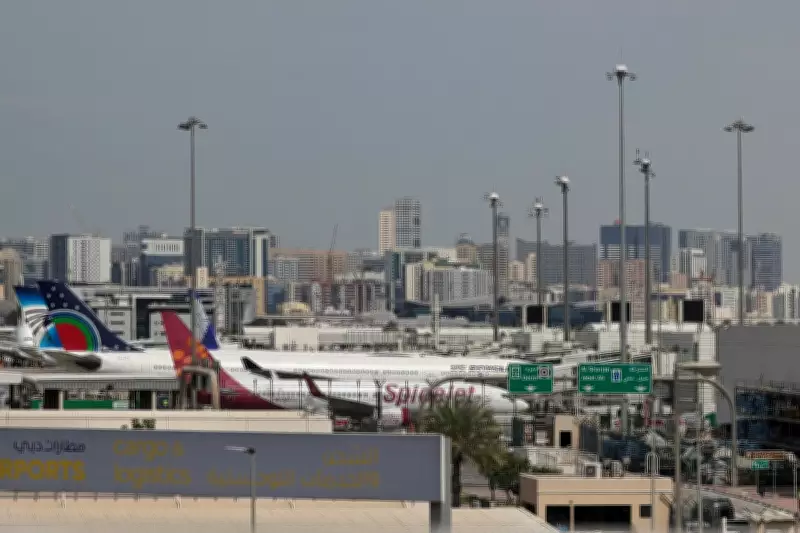
Wealthy British nationals seeking to escape the escalating conflict between Iran and the United States in the Gulf region are reportedly avoiding returning to the United Kingdom due to fears of substantial tax liabilities. Tax advisers have noted a significant surge in inquiries from affluent individuals based in the United Arab Emirates and neighbouring countries who are attempting to leave the volatile area while simultaneously trying to circumvent hefty UK tax bills.
Escalating Conflict Drives Evacuation Plans
Approximately 300,000 British citizens currently reside in Gulf nations that have experienced missile and drone attacks following former US President Donald Trump's military strike against Iran last month. According to Foreign Secretary Yvette Cooper, around 102,000 British nationals have officially registered their presence in the region through the government's safety notification system. Despite the dangerous circumstances, those contemplating a return to Britain have been cautioned that Her Majesty's Revenue and Customs is unlikely to show leniency regarding tax obligations.
Complex UK Tax Residency Rules
Current UK taxation regulations permit individuals classified as "non-residents" to pay tax solely on their UK-sourced income. A person can achieve non-resident status by spending fewer than 16 days in the UK during a tax year, or fewer than 46 days if they haven't been UK residents for the preceding three tax years. Alternatively, those working full-time abroad can maintain non-resident status by limiting UK visits to under 91 days annually. With the new tax year commencing in April, many wealthy individuals have already exhausted their allowable days in Britain.

Nimesh Shah, Chief Executive of advisory firm Blick Rothenberg, revealed to The Independent that he has fielded numerous calls from concerned individuals seeking to depart the Gulf region while inquiring about potential UK returns. "From a tax perspective, we must urge serious caution regarding their day counts," Shah emphasized. "If they've structured their tax affairs to avoid UK tax residency, any days spent in Britain contribute toward residency determination under our tax legislation."
Alternative European Destinations Gain Popularity
The Guardian, which initially broke this story, reported that high-net-worth individuals are instead considering relocation to European nations such as France or Ireland to maintain their tax advantages while ensuring personal safety. Shah provided stark advice to clients: "I've told them not to rely on any exceptional circumstances provisions from HMRC. I cannot imagine HMRC being particularly sympathetic in these situations."
He elaborated further: "There are UK taxpayers who deliberately relocated to jurisdictions like the UAE to avoid UK taxation. From HMRC's perspective, these individuals made conscious choices to minimize their tax contributions. The revenue service is unlikely to grant permission for extended UK stays without corresponding tax payments."
Limited Exceptional Circumstances Provisions
Current legislation does contain provisions for individuals prevented from leaving Britain under extraordinary conditions, such as volcanic ash clouds grounding all flights. However, Shah maintains a cautious stance: "My consistent advice to clients has been not to depend on these exceptions. The interpretation is highly subjective, and HMRC typically applies such provisions to their advantage. Furthermore, returning to the UK represents a deliberate choice—alternative peaceful destinations remain available."
Broader Pattern of Tax-Driven Relocations
This situation follows recent reports about British social media influencers residing in Dubai who are similarly hesitant to return home due to taxation concerns. One business owner quoted in The Guardian explained he plans to remain in Dublin until after the 2025-26 tax year concludes, thereby avoiding UK capital gains tax on a business sold several years prior.

The political dimension emerged earlier this month when Liberal Democrats leader Sir Ed Davey criticized what he termed "washed-up footballers and tax exiles" seeking British protection while residing in Dubai. Addressing Parliament, Davey stated: "We rightly expect our armed forces to protect British citizens globally during crises like this. However, this protection extends to tax exiles like Isabel Oakeshott and retired footballers who simultaneously mock ordinary taxpayers in Britain."
The confluence of geopolitical instability and complex tax regulations has created a significant dilemma for wealthy British expatriates in the Gulf region, forcing difficult decisions between personal safety and substantial financial consequences.





