
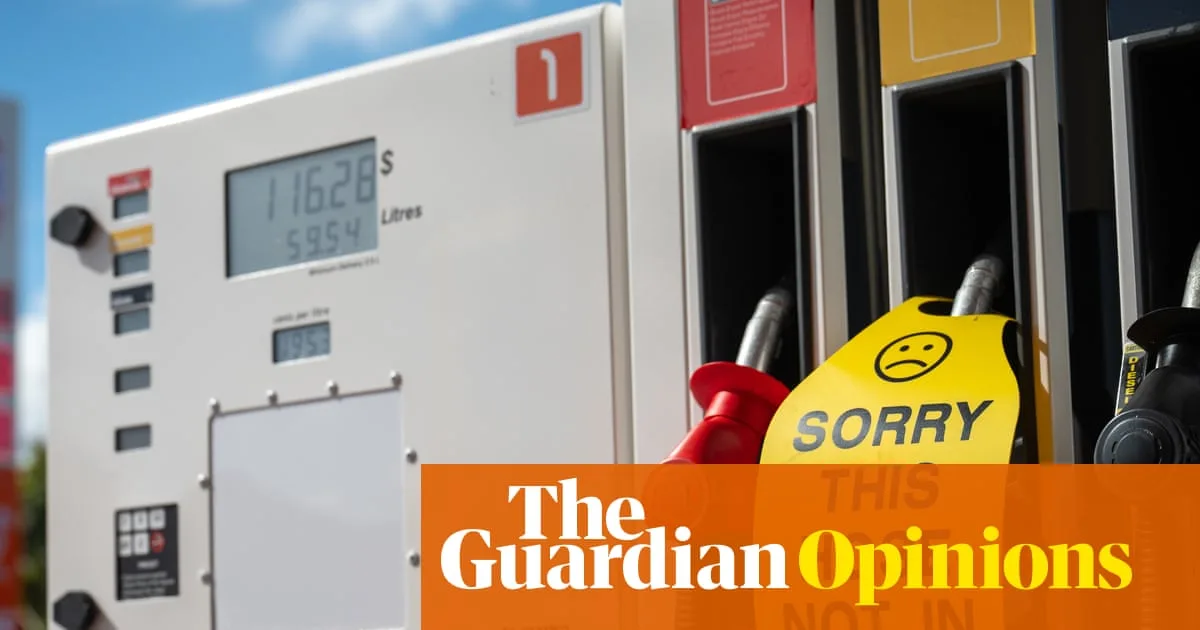
Global oil prices are approaching a dangerous tipping point that could trigger inflation, shortages and recession, according to analysts. The cost of a barrel of crude on the spot market has bounced around $100 since Iran closed the Strait of Hormuz in response to US and Israeli attacks.
While prices remain below historic highs, the International Energy Agency (IEA) warns that oil stocks are being depleted at a record rate. Several analysts have cautioned that inventories in OECD countries could reach critically low levels by the end of June or early July, potentially pushing Brent crude prices to $130-$140 a barrel.
Such price rises could cause 'demand destruction' – a forced reduction in consumption that would be economically damaging. JP Morgan analyst Natasha Kaneva warned that high prices would begin to ration demand before the system is empty, leading to less driving, reduced industrial activity, and trimmed airline schedules.
The US, though a net exporter of crude, is not insulated from global price surges. Research suggests US consumers have paid an extra $40bn (£30bn) in petrol costs since the war began. Meanwhile, the Institute for International Finance noted that disruption is spreading beyond oil to LNG, fertilisers, shipping, and industrial inputs.
Crude benchmarks may soften temporarily on recession fears or geopolitical easing, but the broader issue is the reliability and flexibility of the global production system. A US-Iran deal to reopen the Strait of Hormuz cannot come soon enough for oil markets.




