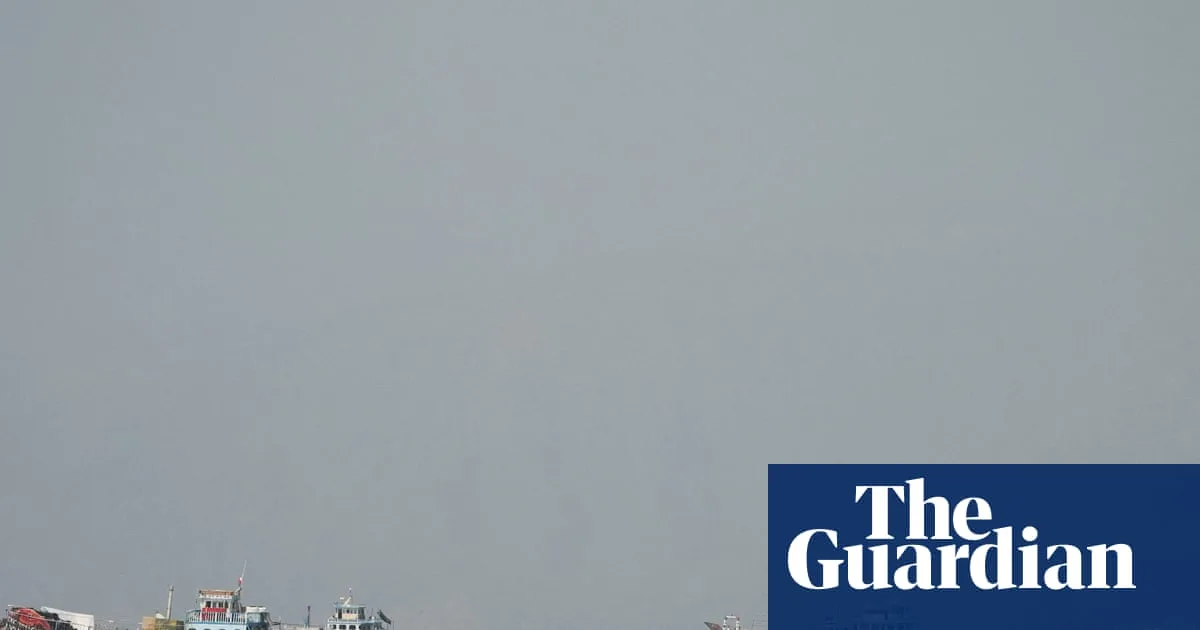
Fresh Attacks in Strait of Hormuz Deepen Global Energy Crisis Confusion
Iran Attacks Three Ships in Strait of Hormuz, Deepening Crisis

Fresh Attacks in Strait of Hormuz Deepen Global Energy Crisis Confusion

Confusion is intensifying in the Strait of Hormuz following Iran's attacks on three ships near the vital waterway, exacerbating a global energy crisis triggered by the closure of this critical channel. The assaults occurred on Wednesday, 22 April 2026, just one day after U.S. President Donald Trump announced an extension of a two-week ceasefire with Iran.

Details of the Attacks and Iranian Justification

Iran's paramilitary Revolutionary Guard targeted three outbound ships, seizing two of them, in what the Islamic Republic described as retaliation for the American naval blockade of Iranian ports. This action also responded to a prior U.S. seizure of an Iranian vessel that failed to stop when hailed by blockade enforcers. The attacks mark a resumption of hostilities after a lull that began in mid-March, when Iran imposed effective control over the strait, deterring most shipping through the threat of attack.

Semiofficial Iranian news agencies, including Nour News, Fars, and Mehr, reported that the Guard attacked a vessel named the Euphoria, which became "stranded" on the Iranian coast. Iranian state television separately confirmed the seizure of two other ships: the Liberia-flagged Epaminondas and the Panama-flagged MSC Francesca, both container ships. The terms under which these vessels attempted to pass the strait remain unclear, and the MSC shipping company has not responded to inquiries.

Wide Pickt banner — collaborative shopping lists app for Telegram, phone mockup with grocery list

Conflicting Statements and Strategic Ambiguity

The situation is muddled by contradictory statements from Iranian officials. On Friday, the Iranian foreign minister declared the strait open, only to be contradicted the next day by the Revolutionary Guard, which asserted it was closed. This reversal allowed six cruise ships stuck in the Persian Gulf since late February to slip through briefly, but traffic has since dried up.

Torbjorn Soltvedt, principal Middle East analyst at Verisk Maplecroft, noted, "The resumption of attacks reflects genuine confusion about when passage is permitted." He added that Iran benefits from keeping insurance premiums high through sporadic attacks, as their main leverage in negotiations with the U.S. is the ability to restrict shipping through the Strait of Hormuz.

U.S. Blockade and Evasion Efforts

The U.S. Navy is enforcing a blockade against all Iranian ships entering or leaving Iranian ports, with humanitarian shipments permitted subject to inspection. Captain Tim Hawkins, spokesman for U.S. Central Command, confirmed this policy on Wednesday, pushing back on reports of ships evading the dragnet. However, shipping intelligence companies report that a "steady flow of shadow fleet traffic" has passed, including 11 tankers with Iranian cargo leaving the gulf since 13 April.

Soltvedt explained, "The dilemma for the U.S. is that tighter blockades increase global oil market pain, leading to conflicting priorities and a policy of not intercepting every Iranian oil shipment." Most of this oil is destined for China, complicating U.S. diplomatic relations ahead of Trump's planned visit in mid-May.

Long-Term Implications for Shipping and Global Markets

Reopening the strait will not be swift. Even if a peace deal is announced, ship owners and insurers will require weeks to adjust to a new operating environment. Analytical firm Rystad Energy estimates it will take six to eight weeks to reposition the world's tanker network alone.

Soltvedt emphasized, "Ship owners need something more concrete than the current informal truce, given the unresolved issues like Iran's nuclear and ballistic missile programs." He warned that Iran's missile and drone capabilities pose a long-term threat, allowing them to disrupt shipping again in the future.

The attacks underscore the fragile state of global energy security, with the Strait of Hormuz—a conduit for a fifth of the world's oil—remaining a flashpoint in U.S.-Iran tensions. As confusion persists, the world watches closely, with the energy crisis hanging in the balance.

Pickt after-article banner — collaborative shopping lists app with family illustration




