

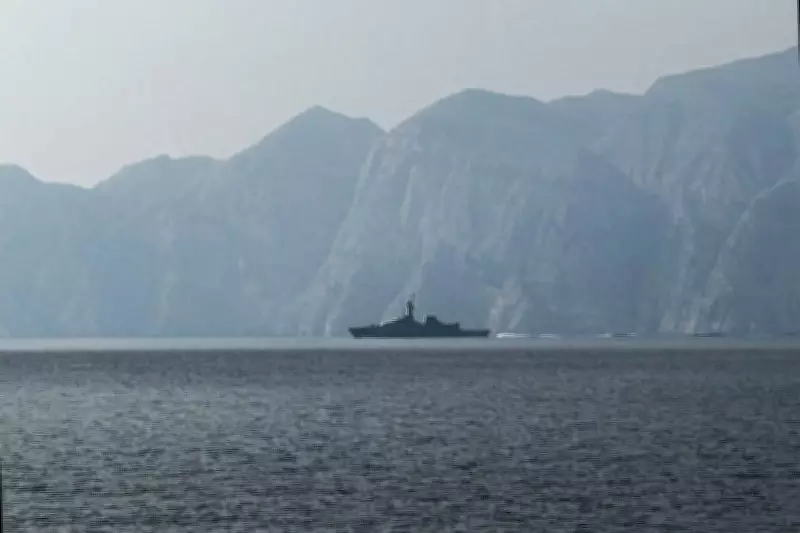
Iran's Strategic Opening in the Strait of Hormuz
In a significant development amid ongoing regional tensions, Iran has begun granting safe passage through the strategically vital Strait of Hormuz to vessels from countries engaging in diplomatic negotiations. This move represents a calculated shift in Tehran's approach to controlling one of the world's most crucial maritime chokepoints.
The Karachi Breakthrough
The Pakistan-flagged vessel Karachi, also known as the Lorax, made history on Sunday afternoon by becoming the first non-Iranian ship to transit the strait with its Automatic Identification System (AIS) signal activated. This development occurred against a backdrop of heightened danger, with at least 16 ships attacked in the Gulf since conflict escalated on 28 February, according to the UK Maritime Trade Organisation.
Matthew Wright, a freight analyst from global trade firm Kpler, explained to The Independent: "This is Iran's widening strategy. The amount of control Iran has over the waterway is significant. Now they are selectively managing oil flows through that checkpoint. At the moment, it appears to be friendly Asian partners."

Diplomatic Negotiations Yield Results
Evidence suggests Tehran is using access to the strait as diplomatic leverage. Iran has reportedly asked India to release three tankers seized in February following negotiations over safe passage for India-bound vessels. Meanwhile, Iraq's oil minister confirmed Baghdad is in contact with Iran to allow certain oil tankers through the strategic waterway.
The Karachi's transit followed an unusual route, navigating north around Larak Island on the Iranian side rather than taking the typical hairpin bend. Wright speculated this might have been "directed as the safest route out of the strait" amid concerns about potential mining operations.
Risk-Tolerant Shipping Companies Navigate Danger
At least 20 non-Iranian oil ships have successfully exited the strait since hostilities began, though most have done so with AIS signals disabled to avoid detection. Many vessels making these dangerous transits belong to what Wright describes as "more risk-tolerant companies" like Greek firm Dynacom.
"Because the rates are very, very high," Wright explained regarding why companies take such risks. "They've done at least one transit, if not two more, since this started." Last week, Turkey confirmed a dry cargo ship had passed through with Iranian permission.
Destination Patterns and Trapped Vessels
Analysis reveals distinct patterns in where oil shipments are headed. Iranian oil primarily travels to China, while non-Iranian oil from Saudi Arabia and the UAE predominantly reaches India and Pakistan. The Karachi was carrying a crude blend called DAS from Abu Dhabi to Pakistan.
Despite some successful transits, the maritime situation remains dire. As of 16 March, 743 cargo ships were estimated trapped in the Gulf due to Iran's control over the strait, though this number has decreased from a peak of 778 vessels. Wright noted the challenge of accurate tracking: "With the AIS blackout, it's pretty hard to know. There's definitely been more exit than entry."
Strategic Implications and Limitations
While Iran's selective opening represents a significant development, experts caution against expecting broad normalization. Wright emphasized: "What's significant is we don't expect this to be a trend that they can expand more broadly without undermining the pressure that they're able to keep on oil prices."
The Strait of Hormuz remains one of the world's most valuable shipping routes, with approximately 20 million barrels of oil passing through daily. Iran's current strategy of granting limited safe passage through diplomatic channels represents a nuanced approach to maintaining control while managing international relationships and economic pressures.






