
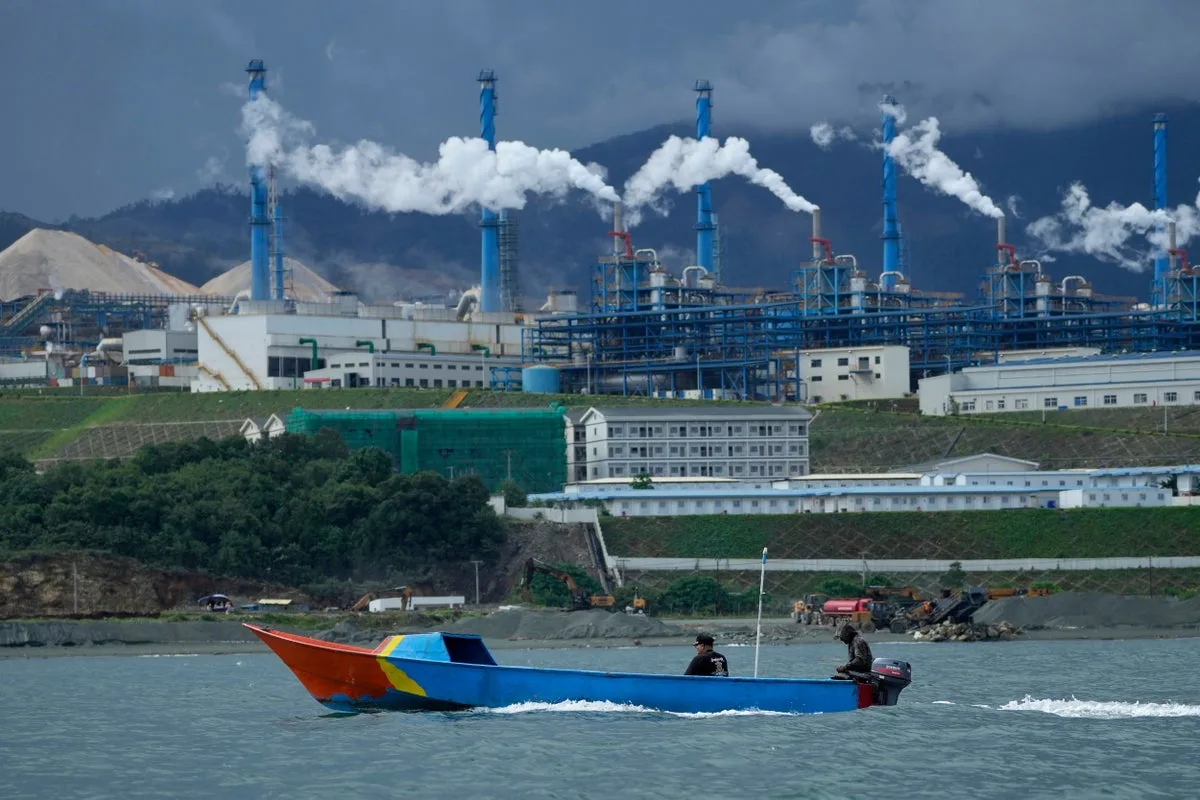
Indonesia is tightening state control over the world's largest nickel supply, just as global demand begins to move away from heavy reliance on the metal. According to S&P Global Market Intelligence, Indonesia's share of global nickel supply jumped to about 60% in 2024 from 31.5% in 2020, following a 2020 ban on raw ore exports that drew Chinese-backed investment into refining.
In 2025, Jakarta launched a crackdown on what it called illegal exploitation of natural resources, seizing more than 4 million hectares of mines, plantations and processing sites, and levying $1.7 billion in fines. Authorities say they could seize another 4.5 million hectares this year.
Analysts warn the crackdown is coming as nickel's payoff fades, with many Chinese EVs shifting to battery chemistries that use far less of the metal, relying instead on iron-based designs. “The forests have been exploited to the brim,” said Putra Adhiguna of the Jakarta-based Energy Shift Institute. “But you never got the electric-vehicle value chain.”
The environmental cost has been significant. Mining drove the loss of about 370,000 hectares of Indonesian forests between 2001 and 2020, more than in any other country, according to the World Resources Institute. Heavy coal use at nickel smelters also added to emissions, with major producers emitting about 15 million metric tons of greenhouse gases in 2023, according to IEEFA.
In one high-profile seizure, soldiers took control of part of the world's largest nickel mine, mostly owned by China's Tsingshan Holding Group. The mine has caused deforestation, pollution and health risks, according to a 2024 report by Climate Rights International. Critics question whether the crackdown will bring improvements. “There is no guarantee things will get better,” said Bhima Yudhistira of CELIOS. They could get “even worse.”




