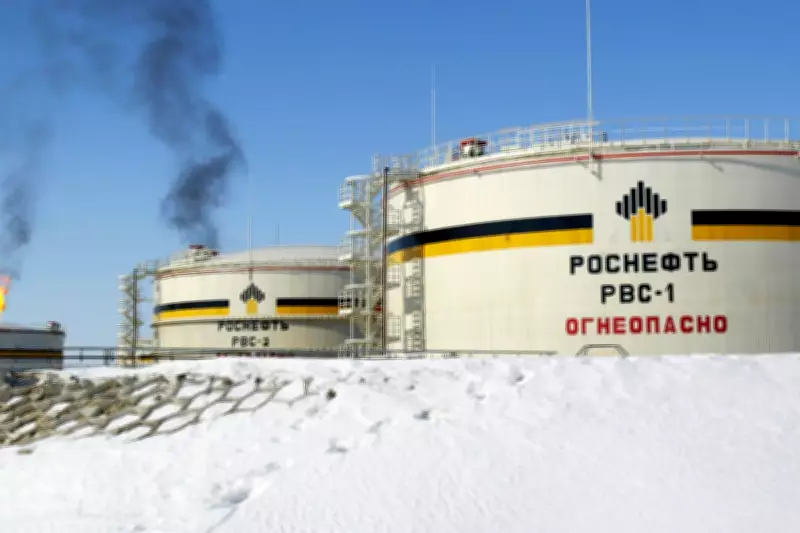
Hungary and Slovakia have formally requested Croatia's assistance to facilitate the delivery of Russian oil, as confirmed by Hungary's Foreign Minister Peter Szijjarto on Monday. This move comes in response to significant disruptions in oil flows through the Druzhba pipeline, which traverses Ukraine, sparking a diplomatic row over responsibility for the halt.
Conflicting Accounts Over Pipeline Disruption
Kyiv's foreign ministry has attributed the stoppage to a Russian attack on the Druzhba pipeline infrastructure in Ukraine on January 27, which they claim caused extensive damage. Foreign Minister Andrii Sybiha publicly shared images on social media platform X, depicting firefighters tackling blazes at what he identified as the burning pipeline. Sybiha criticised Hungary for its silence on the incident, suggesting it was due to Russia's culpability.
In stark contrast, Hungarian Foreign Minister Szijjarto has dismissed these assertions, arguing that Ukraine has deliberately withheld the resumption of oil transit for political motives. Szijjarto emphasised that alongside Slovak Economy Minister Denisa Sakova, he has sought Croatia's intervention to secure alternative routes for Russian oil supplies.

Appeal to Croatia for Adria Pipeline Access
In a detailed post on X, Szijjarto outlined the request, stating, "We urge Croatia to enable the transport of Russian oil to Hungary and Slovakia via the Adria pipeline. Our sanctions exemption permits maritime imports of Russian oil when pipeline deliveries are interrupted." He further stressed that energy security should not be politicised, expressing hope that Croatia would not jeopardise supply stability for ideological reasons, unlike Ukraine.
Croatian Economy Minister Ante Susnjar has indicated a willingness to assist, affirming that Croatia will not compromise Central Europe's fuel security. Susnjar assured that any cooperation would adhere strictly to European Union legislation and the regulations enforced by the US Office of Foreign Assets Control, ensuring compliance with international sanctions frameworks.
Broader Geopolitical Context and Energy Dependencies
Hungary and Slovakia remain heavily reliant on Russian oil and gas, consistently opposing European Union initiatives to curtail these energy flows as part of broader efforts to deprive Russia of revenue funding its war in Ukraine. Hungarian Prime Minister Viktor Orban has maintained robust ties with Moscow since the invasion and opposes Ukraine's potential accession to the EU, while also cultivating relationships with figures like US President Donald Trump.
The Kremlin has aligned itself with Slovak Prime Minister Robert Fico, who accuses Ukraine of deliberately obstructing the Druzhba pipeline's restart to pressure Hungary into dropping its opposition to Ukrainian EU membership. This dispute unfolds as US Secretary of State Marco Rubio engages in diplomatic talks, having met with Slovak leaders to discuss energy matters before a scheduled meeting with Orban.
As of now, Kyiv has not responded to Szijjarto's latest comments, and state-owned Ukrainian energy company Naftogaz has remained silent on requests for immediate clarification. The situation highlights ongoing tensions within Europe over energy security, sanctions enforcement, and the complex interplay of politics in regional supply chains.