UK Food and Medicine Supplies Face Crisis as Hormuz Strait Blockade Continues
The closure of the Strait of Hormuz, a critical global shipping route blocked by Iran amid ongoing US-Israeli attacks, is sending shockwaves through international supply chains, with the UK poised for significant impacts on food and medicine availability. If the blockade persists, transport disruptions across the Middle East could trigger severe shortages and price surges, experts warn. Yvette Cooper, the UK foreign secretary, is convening a meeting with 35 nations on Thursday to strategise on reopening the strait, as governments worldwide grapple with the escalating crisis.
Two-Week Crisis: Immediate Effects on Food and Medicine
In the short term, the blockade is exacerbating existing pressures. Professor Tim Lang, a food supply chain expert from City, University of London, states that "all bets are off" as Britain faces unprecedented energy shocks. He predicts food price inflation in England could double, driven by soaring fossil fuel costs that affect transportation and agricultural inputs like fertiliser. The National Farmers' Union highlights that dairy, salad vegetable, and horticulture sectors are already struggling with increased fuel and heating expenses for greenhouses.
On the medical front, Gareth Thomas of the National Pharmacy Association reports no current shortages but notes rising medicine prices, indicating supply chain strain. While the NHS absorbs these hikes, vulnerabilities persist, particularly for generics sourced from India and China, which constitute 85% of UK prescriptions. Professor Liz Breen from the University of Bradford identifies vaccines, insulin, and cancer therapies as at-risk due to transport challenges and short shelf lives.

Six-Week Crisis: Escalating Shortages and Price Hikes
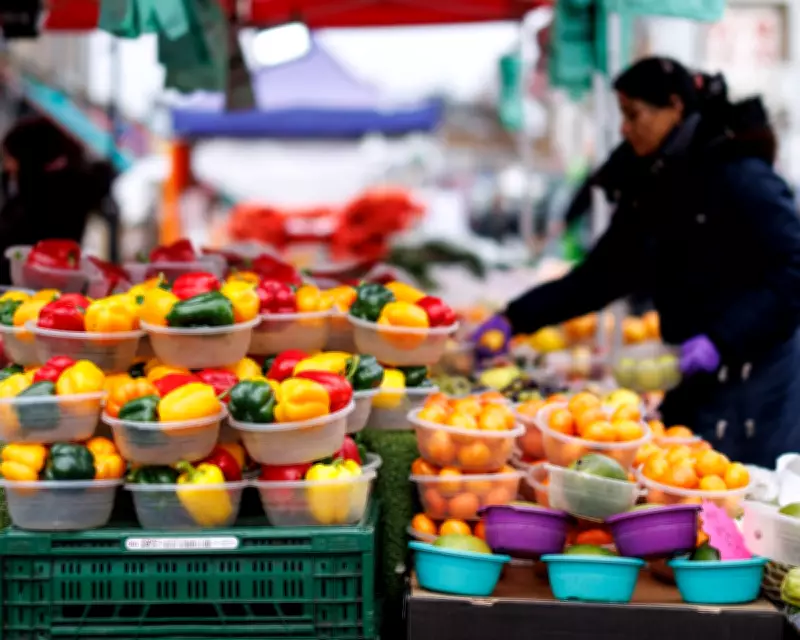
If the blockade extends to six weeks, the situation intensifies. Professor Lang warns of potential shortages in pork, chicken, and fresh produce, as horticulturalists may halt planting due to prohibitive greenhouse heating costs. The British Tomato Growers' Association anticipates price increases for tomatoes, peppers, and cucumbers within this timeframe.
For medicines, Thomas expects further price rises, with pharmacists limited by laws preventing prescription adjustments. The Department of Health and Social Care could implement serious-shortages protocols to ration stocks, echoing measures used during the Covid pandemic. Breen suggests that manufacturers will seek alternative routes, but supply chain disruptions could worsen.
Six-Month Crisis: Long-Term Implications and Inequality
A prolonged conflict could have devastating long-term effects. By autumn, grain supplies may be hit as fertiliser costs spike, impacting crops like winter wheat and barley. Professor Lang emphasises that food inequality will deepen, with low-income households, already facing food insecurity, bearing the brunt of price rises in processed foods.
In medicine, Breen anticipates the health department will source alternative suppliers or routes, but recovery could take months. Constantin Blome of the Stockholm School of Economics notes that western countries should diversify supply chains, though cost and regulatory barriers often hinder this. Thomas adds that the UK's reliance on cheap generics makes it vulnerable in global shortages.
The crisis underscores broader systemic issues, with Professor Lang criticising the UK government for lacking food stockpiles while focusing solely on energy. As the blockade continues, the ripple effects on UK essentials highlight urgent needs for strategic planning and international cooperation to mitigate future shocks.