

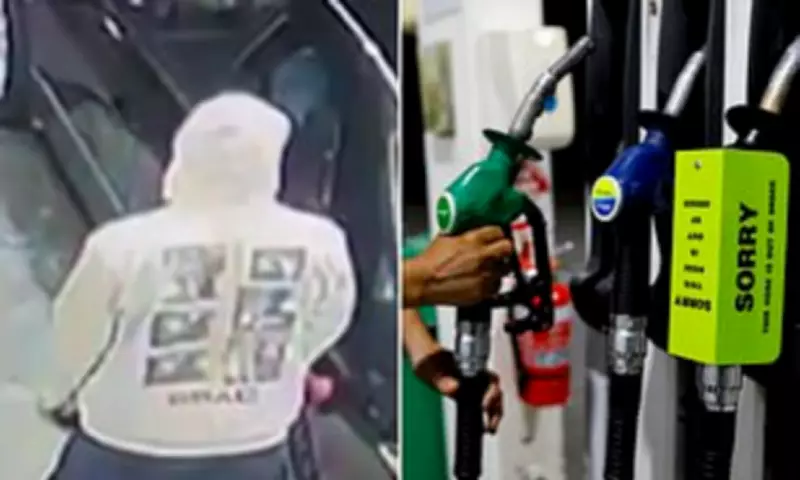
Fuel theft is experiencing a dramatic surge across Australia, with service stations reporting a sharp increase in drive-offs as the ongoing Middle East crisis sends petrol and diesel prices soaring to unprecedented levels. This alarming trend is placing significant strain on both businesses and law enforcement agencies nationwide.
Sharp Rise in Petrol Drive-Offs
In South Australia alone, petrol drive-offs escalated from 162 to 221 incidents within a single week, representing a staggering 30 per cent increase. Authorities note that approximately half of the drivers involved in these offences are believed to be first-time offenders, indicating that the pressure of rising fuel costs may be pushing ordinary citizens toward criminal activity.
In response to this spike, South Australian Police are strongly urging petrol stations to implement prepaid fuel systems as a crucial measure to combat drive-offs. These systems require payment before fuel is dispensed, effectively eliminating the opportunity for theft at the pump.

Organised Diesel Theft Captured on Video
Meanwhile, in Victoria, a man shared disturbing footage of a truck being operated by individuals he accused of stealing diesel from other trucks in an industrial area. The video shows a large truck without front or rear numberplates executing a swift U-turn.
'Pretty quick set up,' the man captioned the video, describing how the thieves operate. 'They stop, the passenger runs out, grabs a hose with a pipe on the end with the pump already running, drains the truck's tanks, and they take off. They were not too keen on me filming them.'
This incident highlights a more organised form of fuel theft, targeting commercial vehicles already grappling with exorbitant diesel costs.
Global Supply Chain Under Strain
The root cause of this crisis lies in global oil markets. Australia imports the vast majority of its fuel through a long and vulnerable supply chain, which has been severely strained since conflict in the Middle East led Iran to block the Strait of Hormuz. Approximately 20 per cent of the world's oil travels through this critical maritime chokepoint.
As a result, fuel is expected to begin flowing from Australia's emergency stockpiles imminently. State and territory officials are preparing for crisis talks to address the escalating situation.
Government Reaches Agreement on Fuel Release
An agreement to release additional petrol and diesel to regional areas suffering critical shortages has been reached between Energy Minister Chris Bowen and Australia's fuel companies. This deal was discussed at a roundtable convened by Transport Minister Catherine King, according to sources familiar with the meeting, though it has not yet been formally announced by the government.
This development comes ahead of a national cabinet meeting scheduled for Thursday, where Prime Minister Anthony Albanese will meet with state premiers to discuss major price shocks and shortages driven by the war involving the US, Israel, and Iran.
Calls for a National Fuel Tsar
State leaders are demanding faster action and a long-term plan from the Commonwealth to manage fuel shortages if the conflict persists. In response, National cabinet plans to appoint a fuel tsar to lead the nation's coordinated response.
'I'll be asking state premiers and chief ministers to appoint someone, a point person, so that the Commonwealth can collaborate in a way to make sure we deal with the challenges which are there,' Prime Minister Albanese told reporters in Burnie, Tasmania.
NSW Premier Chris Minns emphasised the urgency, stating, 'We're keen to see a national plan that sets out a clear escalation pathway, including what further actions may be taken if the conflict continues and conditions worsen.'
Industry Pressure and Government Measures
The Australian Trucking Association has called for disaster funding to support transport companies struggling with rising diesel costs, along with a reduction in the road user charge. Logistics companies warn that significant pressure from fuel price rises will likely be passed on to consumers, affecting retail prices across the board.

In addition to allowing fuel companies to release a week's worth of petrol and diesel from emergency stockpiles, the government has eased quality standards to permit more fuel into the market. Treasurer Jim Chalmers hinted at further announcements in the coming days, stating, 'We are preparing for the risk of more prolonged disruption, including through work with international partners, to help insulate more fuel-exposed industries like farming, transport, and mining.'
As fuel theft continues to explode nationwide, the combination of law enforcement appeals, government intervention, and industry calls for support underscores the severe impact of the Middle East crisis on Australia's fuel security and economy.





