

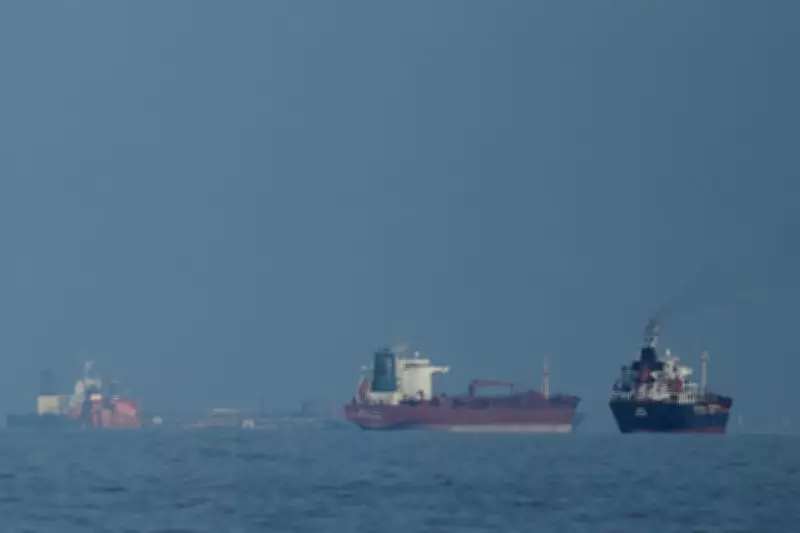
European oil prices have surged to a record high, approaching $150 per barrel, following escalating tensions in the Strait of Hormuz. The crisis deepened after the United States threatened to blockade Iranian ports in this critical waterway, which handles about one-fifth of the world's oil shipments.
US Threats and Iranian Condemnation
The US Central Command initially announced plans to close access to all Iranian ports starting Monday, April 13, 2026. However, the command clarified that non-Iranian vessels would still be permitted to transit the Strait of Hormuz. This move prompted a swift and forceful response from Iran.
Ebrahim Zolfagheri, spokesperson for Iran's armed forces, condemned the US restrictions as "illegal" and an act of "piracy." He warned that such actions could destabilise regional security and disrupt global energy supplies.

Diplomatic Fallout and Retractions
Former US President Donald Trump had previously threatened a blockade, but the US later retracted this stance. Officials stated they would "not impede" movement through the waterway, though Iran's Revolutionary Guard issued warnings against military vessels approaching the area.
The escalation follows the collapse of negotiations in Islamabad over the weekend. Reports indicate that disagreements concerning the Strait of Hormuz and Iran's nuclear programme led to the breakdown in talks, further heightening geopolitical tensions.
Impact on Global Markets
The uncertainty has sent shockwaves through European oil markets, with prices reaching unprecedented levels. Analysts fear that prolonged instability could lead to sustained high prices, affecting consumers and industries reliant on stable energy costs.
Keir Starmer, the UK Prime Minister, has stated that Britain will not participate in any US-led blockade of the Strait of Hormuz. This position underscores the complex diplomatic landscape, as European nations navigate between supporting allies and safeguarding economic interests.
Regional and Global Implications
The Strait of Hormuz is a vital chokepoint for global oil transportation, and any disruption poses significant risks to energy security worldwide. The current crisis highlights the fragile balance of power in the region and the potential for broader conflict if diplomatic efforts fail.
As tensions simmer, stakeholders are closely monitoring developments, with hopes for de-escalation to prevent further economic and political fallout. The record-high oil prices serve as a stark reminder of the interconnectedness of global markets and geopolitical stability.






