
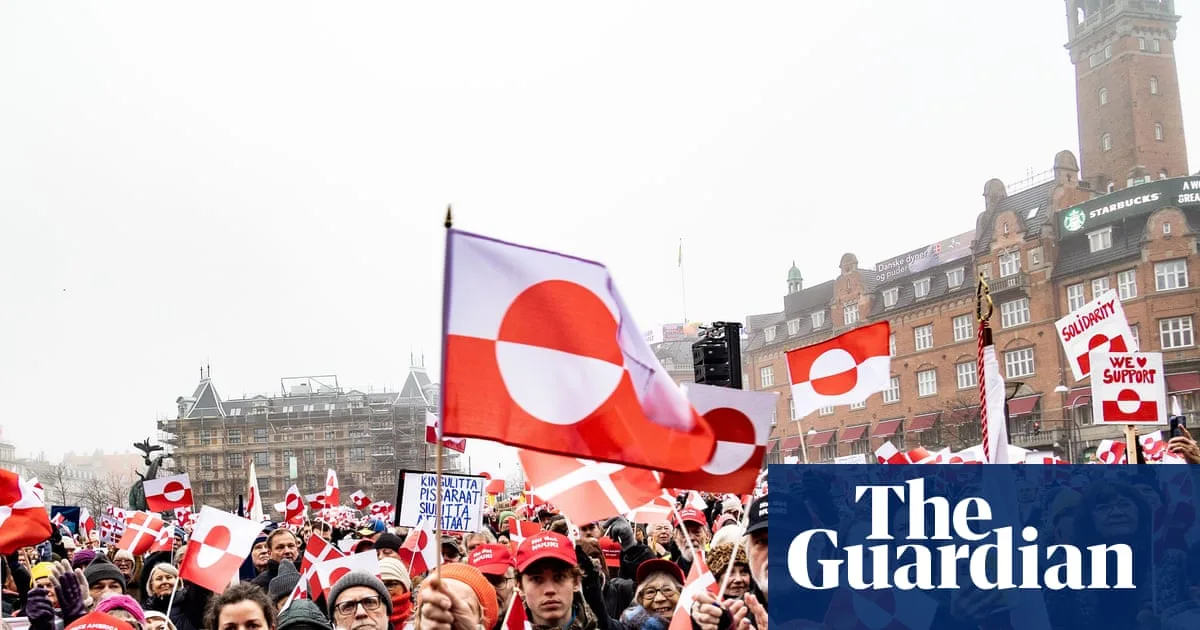
The European Union is considering retaliatory tariffs on American goods and potentially deploying its anti-coercion instrument, as European leaders denounced Donald Trump's threat to impose new taxes on countries that oppose his bid to annex Greenland.
In a joint statement, the leaders of Denmark, Norway, Sweden, France, Germany, the UK, the Netherlands and Finland said tariff threats undermine transatlantic relations and risk a damaging downward spiral. They reaffirmed their commitment to sovereignty. Dutch foreign minister David van Weel described the threats as “blackmail”, while Italy's prime minister Giorgia Meloni called them a mistake.
The EU's top diplomats held crisis talks on Sunday and discussed reviving a suspended plan to levy tariffs on €93bn of US goods, including cars, industrial goods, food and drink. Emmanuel Macron urged activation of the anti-coercion instrument, dubbed the “big bazooka”, should the tariffs be implemented. European Council president António Costa announced an emergency EU summit, likely on Thursday, saying the bloc showed readiness to defend itself.
However, EU diplomats said there was no consensus on immediate retaliation; one noted the anti-coercion instrument was not under consideration, and the €93bn counter-tariffs remain suspended until 6 February. The threats have cast doubt over the EU-US trade deal reached in August.
Trump said on Truth Social that tariffs of 10% would apply from 1 February, rising to 25% from 1 June, until a deal is reached for the “Complete and Total purchase of Greenland”. He accused the countries of playing a dangerous game. The leaders had participated in a Danish-led military exercise, Arctic Endurance, which they said posed no threat.




