

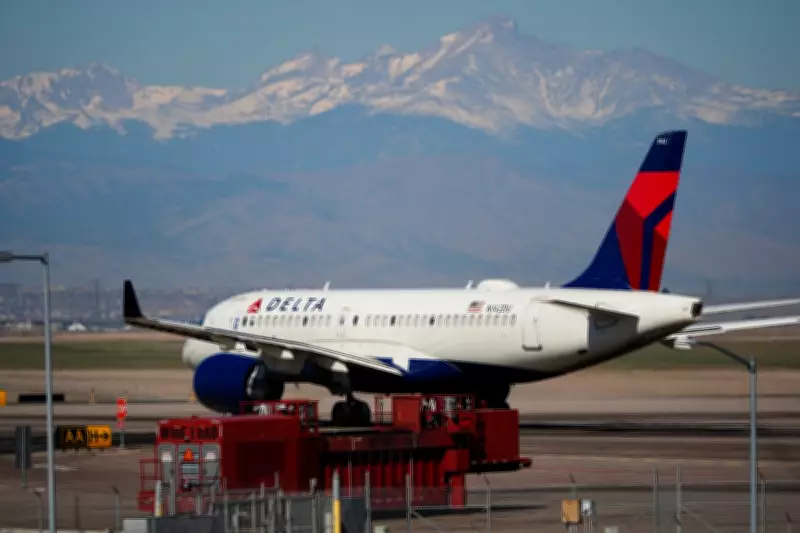
Delta Air Lines has joined a growing roster of major U.S. carriers implementing significant increases to checked baggage fees, a direct response to the sharp escalation in jet fuel prices driven by ongoing conflict in the Middle East. The airline confirmed the new pricing structure on Tuesday, with the changes taking effect from Wednesday.
Substantial Fee Increases Announced
Under the revised policy, most passengers on domestic and short-haul international routes will face a ten-dollar increase for their first and second checked bags. The fee for checking a third bag will rise by fifty dollars. This adjustment brings the new standard fees to forty-five dollars for the first checked bag, fifty-five dollars for the second, and a substantial two hundred dollars for the third.
"These updates are part of Delta's ongoing review of pricing across its business and reflect the impact of evolving global conditions and industry dynamics," the airline stated officially. This marks the carrier's first hike in checked baggage fees for domestic routes in a two-year period. It is important to note that fees for long-haul international flights remain unchanged at this time.

Fuel Costs Driving Financial Pressure
The primary catalyst for this move is the dramatic surge in jet fuel expenses. CEO Ed Bastian informed investors last month that the spike in fuel prices had already added approximately four hundred million dollars to Delta's operating costs since the conflict began on February 28th. Executives at rival carriers United Airlines and American Airlines have reported similar financial impacts.
Data from Argus Media underscores the severity of the price increase. The energy market intelligence company's U.S. Jet Fuel Index, which tracks average prices across major hubs including Chicago, Houston, Los Angeles, and New York, recorded an average price of four dollars and sixty-nine cents per gallon on Monday. This represents a steep rise from just two dollars and fifty cents per gallon immediately prior to the outbreak of hostilities.
Industry-Wide Trend and Exemptions
Delta's decision follows closely on the heels of similar announcements from United Airlines and JetBlue, both of which raised their own baggage fees last week. A common thread among these carriers is the maintenance of complimentary first checked bags for select customer segments.
Delta has confirmed that complimentary baggage allowances will continue for passengers flying in premium cabins, active-duty military personnel, eligible co-branded credit card holders, and members reaching certain tiers within its loyalty program.
Global Context and Carrier Strategies
Airlines worldwide are contending with highly volatile oil markets, as fighting near the critical Strait of Hormuz disrupts global energy supplies. Roughly one-fifth of the world's oil transits through this strategic waterway. Since jet fuel is refined from crude oil, fluctuations in energy prices rapidly translate into increased operational costs for carriers, with fuel typically ranking as the industry's second-largest expense after labour.
In response to these mounting expenses, analysts observe that U.S. carriers are increasingly likely to rely on ancillary fees, such as baggage charges, to help offset the higher costs. Meanwhile, many non-U.S. airlines are opting to introduce or increase specific fuel surcharges as their primary method of financial mitigation.
The confluence of geopolitical instability and its direct impact on fuel economics is prompting a fundamental reassessment of airline revenue models, with passenger-facing fees becoming an ever more critical component of the industry's financial resilience.






