
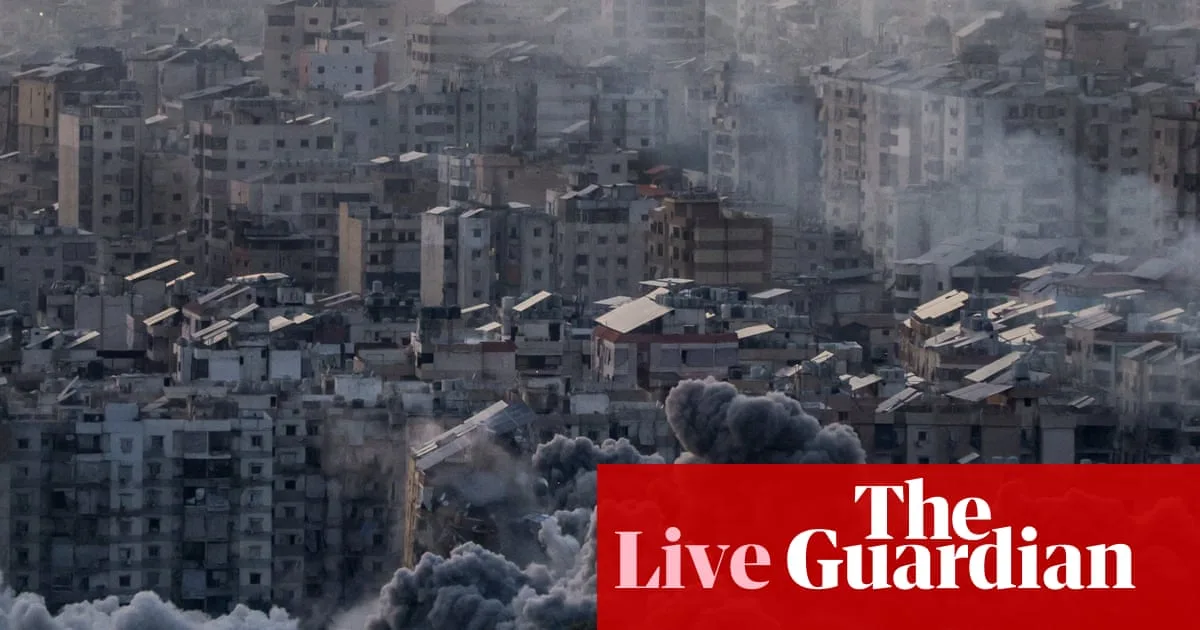
An oil facility housing foreign energy companies in the southern Iraqi province of Basra came under attack twice on Friday, with a security official reporting that two drones were shot down over the Burjesia oil complex but a third struck the site, causing a fire in offices and warehouses.
The attack is part of a series of strikes targeting airports and oil facilities across Iraq, as tensions escalate in the region following the US-Israeli attack on Iran. US-led forces also shot down several drones over the Kurdish city of Erbil after warnings of possible attacks on hotels.
Late on Friday, Baghdad International Airport, which houses a military base and a US diplomatic facility, came under a series of attacks with drones and missiles, a security official confirmed. Another security source confirmed a drone attack followed by a fire at the airport.
The developments come as the US State Department approved the sale of $151.8 million worth of munitions to Israel, including 12,000 requested 1,000-pound bomb bodies, to improve Israel's capability to meet current and future threats.
Meanwhile, Australia is working to bring stranded citizens home from the Middle East, with bus transfers from Doha to Riyadh becoming available after Qatari airspace was closed. The Australian government is also considering bus transits out of Kuwait and exploring all options, including government-commissioned repatriation flights.




