

Cuban Farmers Endure Hardship Amid US Pressure and Economic Crisis
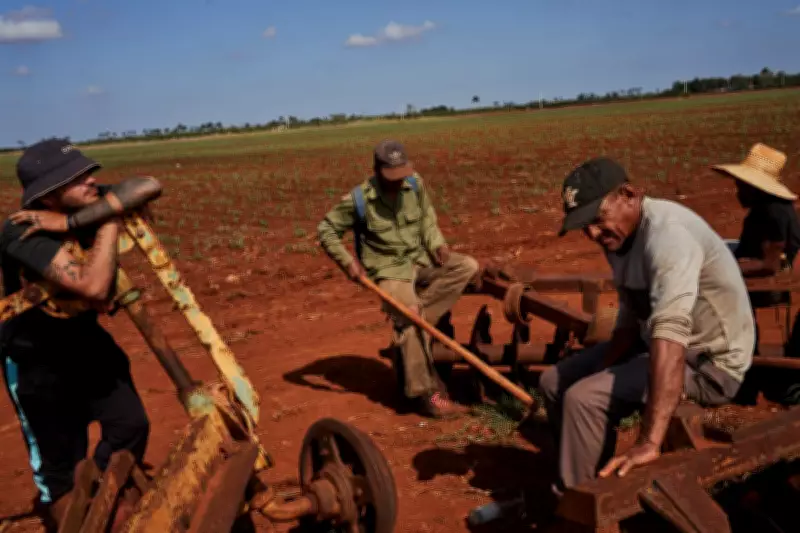
In the sun-drenched cornfields of Artemisa, Cuba, Abraham Rodríguez takes a weary break from ploughing furrows, a task he has performed since childhood. At 26, he reflects on a life of farming that has grown increasingly untenable. "I make 1,200 pesos (£1.80) a day, so I have to work two days to buy a bottle of oil," he says, highlighting the stark reality of his earnings. Meat has become a distant memory, with his last meal consisting only of white rice and fried banana. "Breakfast? What's that?" he quips, underscoring the severity of food insecurity.
Agricultural Heartland in Peril
Artemisa, once hailed as "Havana's granary," supplies approximately 40% of the capital's fresh produce. Its fertile soils and warm climate support diverse crops, including grains, vegetables, and fruit. However, the region now grapples with a deepening crisis. Fuel shortages have driven up costs, rendering agriculture economically unsustainable for many. Farmers report that cuts to the state procurement system leave crops to rot, exacerbating waste in a time of need.
Yomar Matos, a former construction worker turned farmer, shares a similar plight. Relocating to Artemisa after unemployment forced a career change, he survives on meager rations with his family. "I have two kids," he says, his voice trembling. One daughter lives in Brazil, where she thrives, while the other remains in Cuba, illustrating the painful family separations driven by economic desperation.

Impact of US Sanctions and Political Tensions
The crisis has been intensified by post-Covid inflation and stringent US sanctions under the Trump administration's "maximum pressure" campaign. Farmers like Maykel Romero Álvarez express frustration over the fallout. "Since Trump took Maduro, everything changed," he explains, referring to the US intervention in Venezuela that worsened Cuba's energy crisis. "Now we don't have a drop of fuel, so we can't sell our produce." This sentiment is echoed by Luis Torres García, a charcoal producer, who criticises Trump's policies: "That crazy old man should leave Cuba alone so we can trade with other countries."
Historical Context and Systemic Challenges
Cuban agriculture has undergone significant transformations since the 1959 revolution. Initially focused on large-scale sugar monoculture, the system shifted after the collapse of the socialist bloc towards diversification and cooperatives. In 2008, reforms allowed farmers to cultivate idle state land, but small producers like Edián and Maykel Romero Álvarez receive minimal government support. They inherit plots from generations past yet worry about the future as revolutionary rhetoric emphasises "feeding the nation" without providing adequate resources.
Marie Aureille, an anthropologist, notes that while these measures averted a complete collapse, they failed to create a viable framework for farmers. "The only thing you had to prove was that you had a minimum of equipment and machinery to work the land," she says, highlighting the lack of investment in small-scale agriculture.
Alternative Livelihoods and Survival Strategies
As traditional farming falters, many turn to illegal charcoal trading or migration. Ángel Reyes, a former taxi driver, now sells charcoal by the roadside to feed his children. "It's simple: I need to feed my children," he states, his hands blistered from harvesting marabú wood. Despite risks of state inspections, he prioritises daily sustenance over long-term security. This shift reflects broader trends, with families splitting to survive and communities adapting to repeated blackouts and scarcity.
In Artemisa, the resilience of farmers is tested daily. Rodríguez, though weary, remains hopeful for change, even considering a US intervention "as long as it's for the better." Yet, with sanctions tightening and fuel supplies dwindling, the path forward remains uncertain, casting a shadow over Cuba's agricultural future.






