China Initiates Reciprocal Trade Probes Against United States
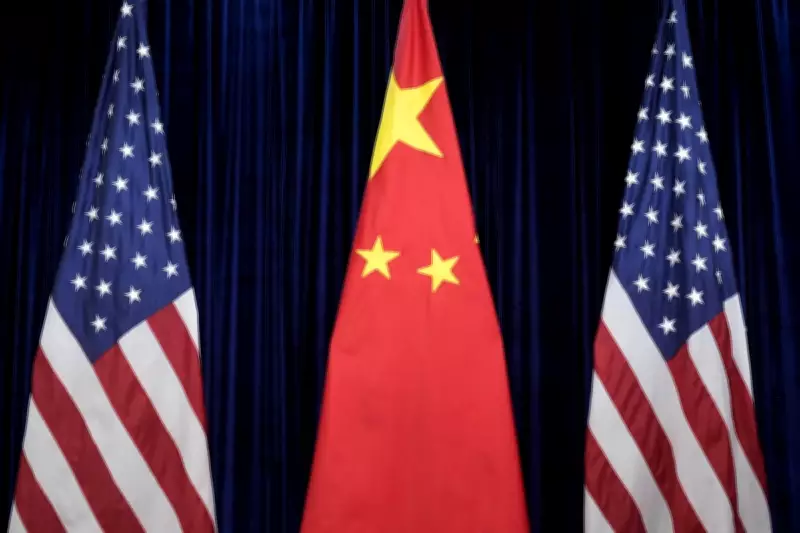
China's commerce ministry has formally launched two counter-investigations into United States trade practices, which Beijing claims are obstructing the flow of Chinese goods into American markets. The announcement, made on Friday, represents a calculated response from Chinese authorities, who have opted for a measured approach rather than immediate retaliation against measures introduced by Washington earlier this month.
Trade Truce Under Scrutiny
This development unfolds against the backdrop of an existing trade truce between the two economic superpowers, established following the meeting between US President Donald Trump and Chinese President Xi Jinping in October of the previous year. Despite this agreement, tensions have resurfaced as both nations engage in reciprocal trade scrutiny.
The two Chinese probes are explicitly described as reciprocal by the ministry, directly addressing two US Section 301 investigations that target China. These investigations are scheduled for completion within a six-month period, although this timeframe may be extended if necessary.

Beijing's Stance and Future Measures
Beijing has declared that it will implement corresponding measures to protect its rights and interests based on the final outcomes of these investigations. This statement underscores China's commitment to defending its economic position while maintaining a diplomatic posture.
Earlier in the month, the United States initiated two separate trade inquiries: one focusing on excess industrial capacity across 16 trading partners, including China, and another concerning allegations of forced labour. China had previously expressed its concerns regarding these investigations during bilateral trade discussions held in Paris.
Diplomatic Engagements and Cooperation
In talks with US Trade Representative Jamieson Greer on the sidelines of a World Trade Organization meeting in Cameroon on Thursday, Chinese Commerce Minister Wang Wentao reiterated China's concerns. However, he also emphasised China's willingness to strengthen economic and trade cooperation with the United States, highlighting a dual approach of caution and collaboration.
Trump's Delayed Visit to Beijing
President Donald Trump is set to meet Chinese leader Xi Jinping in Beijing on 14-15 May, more than a month later than initially planned. The US president was originally scheduled to visit China on 31 March but postponed the trip after launching a joint military operation with Israel against Iran.
The forthcoming visit will mark the first trip to China by a US president in nearly a decade, underscoring its significance in recalibrating relations across the Asia-Pacific region. On his Truth Social platform, Mr Trump expressed enthusiasm, stating, "I look very much forward to spending time with President Xi in what will be, I'm sure, a Monumental Event." He also mentioned that President Xi would visit Washington later in the year.
White House Confirmation and Context
White House spokesperson Karoline Leavitt confirmed the revised schedule, noting that President Xi "understood that it's very important for the president to be here throughout these combat operations right now." This statement reflects the geopolitical complexities influencing the timing of the visit, particularly the ongoing conflict involving Iran and the strategic importance of the Strait of Hormuz.
The interplay between trade investigations and diplomatic schedules highlights the delicate balance in US-China relations, as both nations navigate economic disputes while preparing for high-level engagements that could shape future policy directions.