
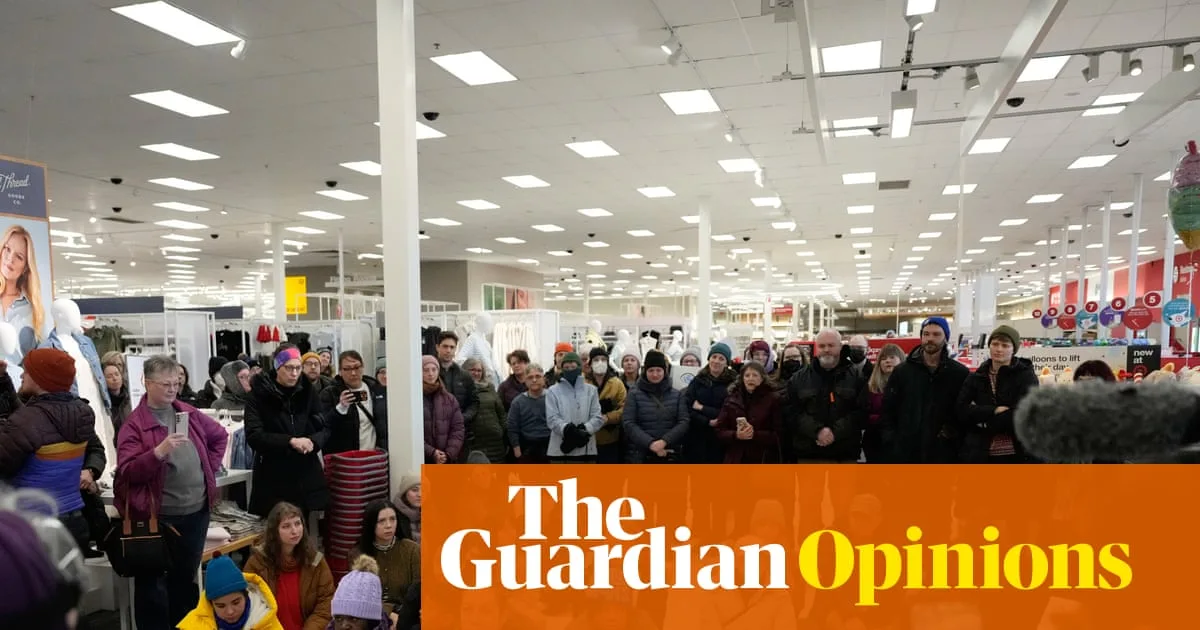
British consumers are increasingly boycotting major US brands in protest against Donald Trump’s policies and corporate decisions linked to his administration. The movement, which gained momentum in 2025, targets companies such as Target, Walmart, Amazon, and Tesla, reflecting a broader resurgence of boycott activism reminiscent of the American colonial era.
According to Michael Shank, a commentator on nonviolent action, the boycotts have already inflicted financial damage. Target has reported layoffs, declining sales, and a drop in stock prices, while Walmart warned investors of the negative impact. Tesla’s sales and shares have also plunged, partly due to Elon Musk’s role in government cuts and far-right rhetoric. Even McDonald’s acknowledged significant effects from the Boycott, Divestment and Sanctions (BDS) movement over Israel’s actions in Palestine.
In contrast, Costco, which maintained its diversity, equity, and inclusion commitments, saw a 7% increase in net sales in April 2025 compared to the previous year. Shank argues that successful boycotts require building alternative institutions, as the American colonists did by producing homespun goods during their protests against British taxes. He urges modern boycotters to create parallel marketplaces and sustain community morale to increase impact in 2026.




