
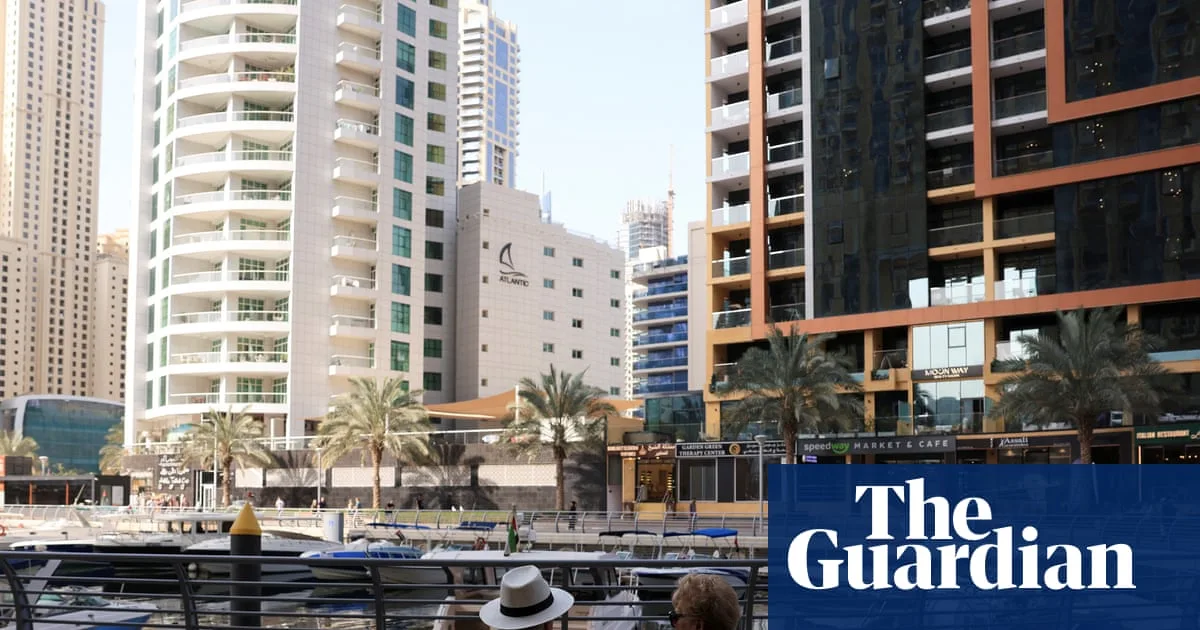
Despite the shock of Iranian airstrikes and falling debris that killed three expat workers and injured 68, many of the estimated 250,000 British nationals in Dubai insist it is business as usual. The attacks, which targeted Gulf states, caused a dramatic explosion at the Fairmont hotel and briefly closed airspace, prompting some to flee via Oman. However, others remain resolute, citing the UAE's swift reassurance from top rulers like Sheikh Mohamed bin Zayed al-Nahyan, who publicly mingled in a Dubai mall to sustain confidence.
One British expat in financial services described a double shock: hearing the boom of impacts, then being told to delete a BBC video shared with colleagues, as the UAE warned that sharing unverified content is an imprisonable offence. The internet briefly went down. 'I can imagine some might find that oppressive,' he said. 'I think some Brits might have been reaching for the map for the first time to see exactly where they were living.'
Back in the UK, a mix of sympathy and schadenfreude has emerged. The Daily Mail ran headlines such as 'End of the Dubai dream' and quoted socialite Petra Ecclestone's teary testimony. In Parliament, Liberal Democrat leader Ed Davey criticised 'tax exiles' like journalist Isabel Oakeshott, suggesting they should pay UK taxes to support the armed forces that protect them.
Private schools like Repton Dubai have closed, and many Britons work from home. Yet Justin Harper, editor of CEO Middle East, who was on a road trip near Iran when missiles came, said he felt assured by authorities. 'I don't want to sound blase but it's business as usual for me,' he said, returning to work on Monday. 'While my kids are still home-schooled, it does feel we're getting back to normal already.'
Harper dismissed the negative headlines as envy: 'There's a lot of envy about the Dubai lifestyle and people are so quick to knock it down, but it's open to anyone. I think in terms of long-term implications we will quickly weather the storm.'




