
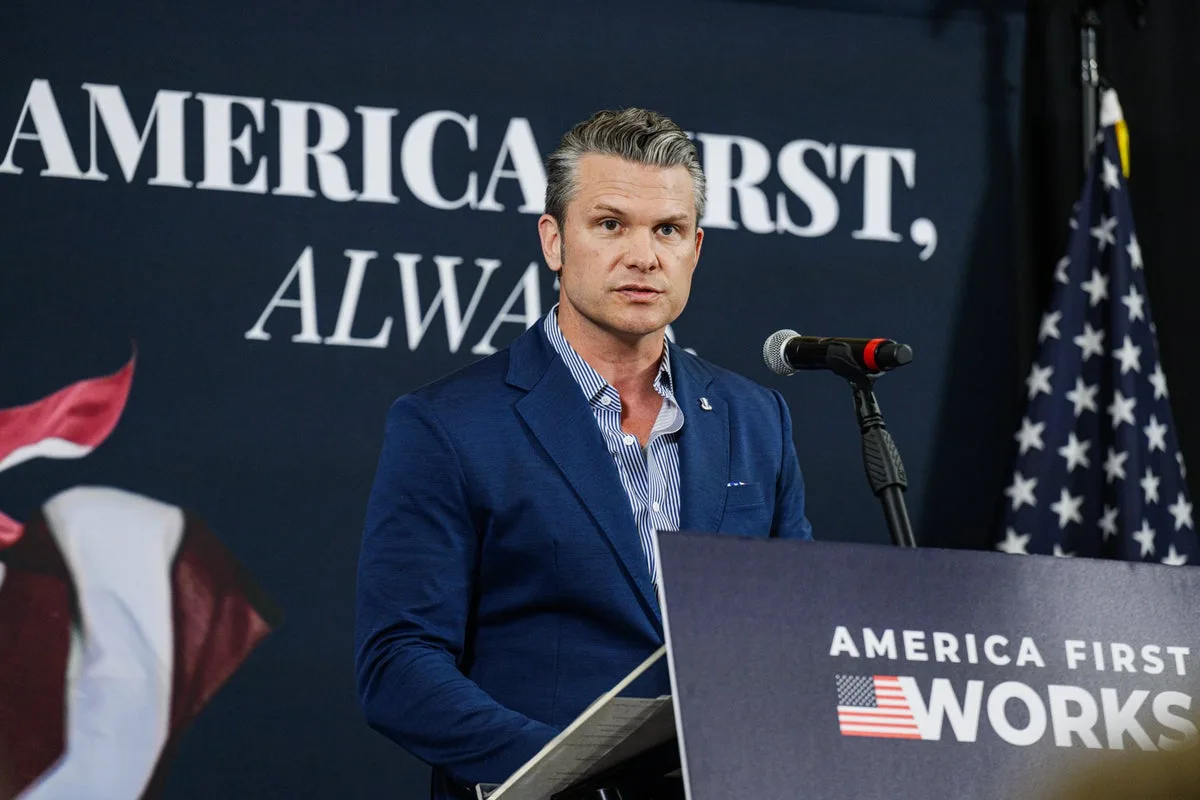
A bipartisan group of senators has written to Defence Secretary Pete Hegseth expressing frustration over delays in releasing $600 million in security assistance for Ukraine and Baltic allies. The letter, sent on Friday and led by Democratic Senator Dick Durbin and Republican Senator Chuck Grassley, demands that the funds be disbursed immediately.
The aid package includes $400 million for Ukraine and $200 million for defence programmes in Estonia, Latvia, and Lithuania. Lawmakers from both parties have grown increasingly impatient with the Trump administration's apparent disengagement from Ukraine and other European partners. During a congressional hearing over three weeks ago, Hegseth told lawmakers the funding had been “released” and that a spending plan would follow by 15 May – a deadline that was missed.
“Ukraine has persistently and bravely repelled a four-year Russian onslaught, but its military needs and deserves continued American support,” the senators wrote. The letter was also signed by Republican Senators Kevin Cramer and Thom Tillis, and Democratic Senators Michael Bennet and Catherine Cortez Masto. The lawmakers warned that further delays, combined with reported plans for US troop withdrawals from the region, risk undermining deterrence against Russia.
The correspondence is the latest sign of Republican unease with the Trump administration. Earlier in the week, President Trump endorsed a primary challenger to Senator John Cornyn, angering many in the party. Senator Tillis publicly blamed Trump’s advisors for policies that he said were hurting the GOP, including the firing of top generals and failure to hold President Putin accountable for atrocities in Ukraine.
Several senators have also criticised Hegseth’s decision to dismiss Army Chief of Staff General Randy George, who had focused on integrating drone warfare and learning from Ukraine’s battlefield experience. In the House, a Democratic-backed proposal to impose sweeping sanctions on Russia and send $1 billion in military aid to Ukraine has gained momentum, though it is unlikely to become law. Lawmakers view the $400 million tranche as a symbolic test of continued US commitment to Ukraine’s defence.




