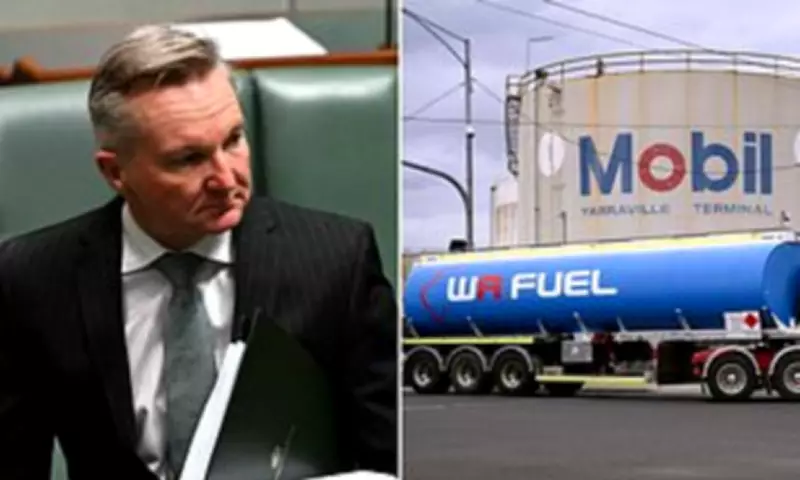
Australians are being warned to prepare for significant price increases reminiscent of the pandemic era, as the ongoing conflict in the Middle East enters its third week. The prolonged closure of the Strait of Hormuz has triggered severe disruptions to global supply chains, prompting major manufacturers to alert customers about impending sharp price rises and potential rationing of essential goods.
Supply Chain Crisis Intensifies
The transport bottleneck caused by the Middle East turmoil is placing unprecedented strain on Australian industries. Several leading plastics suppliers have formally notified their clients that they will be compelled to pass on rapidly escalating costs. According to reports from The Australian, the prices of plastic materials crucial for construction and healthcare sectors are expected to spike dramatically, with some manufacturers indicating they may struggle to fulfil existing contractual agreements.
Manufacturers Sound the Alarm
Impact International has already implemented a 15 percent price increase after sea freight charges surged by as much as 250 percent. The company, which imports resin from the Middle East, Thailand, and Japan to manufacture tubes for food, cosmetic, and pharmaceutical products, is experiencing severe operational challenges.

'I'm personally calling this Covid 2.0,' declared Impact International managing director Aleks Lajovic. 'When the pandemic initially emerged, the circumstances were almost identical. People were frightened. Information was scarce, pricing was unpredictable, delivery confirmations were unavailable, and accurate shipping dates were impossible to obtain. We are witnessing precisely the same dynamics unfolding within supply chains currently. It genuinely feels like the beginning of another pandemic.'
Lajovic further revealed that his company 'simply doesn't know' how to appropriately price their products, as import costs are 'changing dramatically' on a daily basis. The situation has been exacerbated by skyrocketing oil prices, which manufacturers cite as a primary driver of the crisis.
Industry-Wide Price Adjustments
Viva Energy, Australia's sole polypropylene manufacturer producing resin for packaging and automotive components, has raised prices for customers and warned of 'significant impacts' on both regional and local supply networks. These increased costs will be applied universally to all customers starting April 1.
Additional major suppliers including Vinidex, Polypipe, and Pipemakers Australia informed customers last week that plastic material prices have jumped by up to 50 percent for April deliveries compared to March rates. All existing quotations will be cancelled effective March 31, with new pricing structures commencing from April 13.
Polypipe will additionally implement a 24 percent diesel levy on all deliveries beginning March 23, reflecting the broader energy cost increases affecting transportation and production.
Fuel Security Concerns Mount
The supply chain crisis arrives as the Albanese government faces mounting criticism regarding Australia's fuel security vulnerabilities during the ongoing conflict. Shane Oliver, Head of Investment Strategy and Chief Economist at AMP, highlighted these weaknesses in discussions with Daily Mail last week.
'Australia currently maintains 30-35 days of fuel reserves, which represents improvement from a decade ago, but should ideally be at least 90 days,' Oliver stated. 'The price surge would still affect us significantly since oil and gas prices are determined globally. However, maintaining a larger stockpile would reduce risks of supply shortages if Asian nations restrict refined fuel exports, particularly concerning given that Australia sources 90 percent of its refined fuel from Asia. China has already indicated potential restrictions on refined fuel exports.'
Government Response and Preparedness
Energy Minister Chris Bowen addressed these concerns on Saturday, announcing that Australia has now stockpiled more than one month's supply of fuel. Bowen asserted the nation is 'as prepared as possible' with current reserves including 1.6 billion litres of petrol (equivalent to 37 days' supply), 2.7 billion litres of diesel (30 days' supply), and 800 million litres of jet fuel (29 days' supply).

The minister's statements come amid growing public anxiety about economic stability as manufacturers across multiple sectors implement emergency pricing measures and warn of potential product shortages in the coming weeks.