Asian Nations Scramble for Russian Oil as Iran Conflict Disrupts Global Supply
Asian Nations Scramble for Russian Oil Amid Iran War Supply Crunch

Asian Nations Scramble for Russian Oil as Iran Conflict Disrupts Global Supply

Oil-dependent Asian nations are engaged in fierce competition for Russian crude exports as a mounting energy crisis intensifies following the month-long military conflict between the United States, Israel and Iran. This confrontation has effectively severed approximately one-fifth of the world's total oil supply, sending shockwaves through global markets.

Supply Choke Point at Strait of Hormuz

The strategic Strait of Hormuz, a critical maritime passage for Middle Eastern oil, has been largely closed due to hostilities. A significant portion of this oil was destined for Asian markets, which have been disproportionately affected by recent energy shocks. The conflict escalated further over the weekend when Iran-backed Houthi rebels entered the fray, posing additional threats to international shipping lanes and energy security.

In response to the growing global crude shortage, the United States has implemented a temporary easing of sanctions on Russian oil shipments already at sea. This waiver was initially granted to India before being extended to other nations worldwide.

Wide Pickt banner — collaborative shopping lists app for Telegram, phone mockup with grocery list

Rising Demand Meets Limited Russian Capacity

While Asian demand surges and Russia profits from increased sales, experts caution that Moscow faces significant constraints on boosting its crude oil exports. Russia is already operating near its previous export peak, and its capabilities have been hampered by the ongoing full-scale invasion of Ukraine, now in its fourth year, along with recent drone attacks by Kyiv targeting Russian energy infrastructure.

"The opportunity for desperate Asian countries is both short-lived and diminishing," stated Muyu Xu, a senior crude oil analyst at global trade data firm Kpler. "The fundamental issue is determining how much available cargo remains in this constrained market."

Southeast Asia Enters the Fray

Prior to the Iran conflict, China, India and Turkey were the primary importers of Russian oil, capitalizing on discounted prices despite Western sanctions designed to economically pressure Russia following its invasion of Ukraine.

The U.S. sanction waiver has triggered a surge of interest across energy-hungry Southeast Asia. This month, the Philippines, Indonesia, Thailand and Vietnam have all signaled new intentions to procure Russian crude. Manila, a longstanding U.S. ally, imported Russian oil for the first time in five years shortly after declaring a national energy emergency. Other nations may follow suit, but will face stiff competition from China and India for the roughly 126 million barrels of Russian crude currently at sea, according to Kpler data.

India alone typically requires between 5.5 million and 6 million barrels of oil daily. Analysts note that Russia is unlikely to dramatically increase exports. March flows reached about 3.8 million barrels per day, up from February's 3.2 million but still below the mid-2023 peak of 3.9 million barrels.

Xu emphasized that this crisis underscores how rapidly geopolitical landscapes can shift, often driven by a handful of key decision-makers, making long-term planning exceptionally challenging for nations. "Currently, the absolute priority is securing supply chains; all other considerations are secondary," she explained.

Southeast Asian nations competing for the dwindling seaborne Russian crude are likely hoping the U.S. extends its sanction waiver beyond April, Xu added. Their alternatives are limited, as safer sources like crude from the United States, South America or West Africa involve lengthy shipping times to Asia, leaving poorer nations in a particularly vulnerable position.

Philippines Faces Early Warning Signs

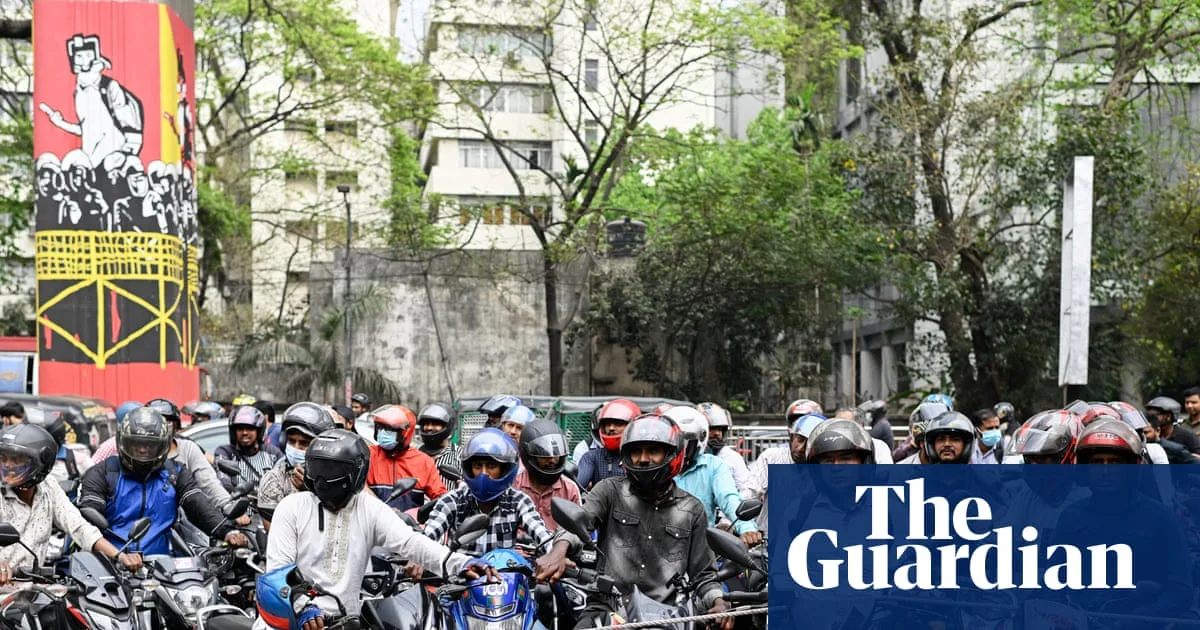
The Philippines, with a population of 117 million, serves as an early indicator of the broader Southeast Asian crisis. Airlines are considering fuel rationing, while the government rushes cash handouts to severely affected groups like transportation workers. Lengthy queues at gasoline stations have become a daily occurrence.

Pickt after-article banner — collaborative shopping lists app with family illustration

Before the war, the Philippines sourced nearly 97% of its seaborne oil imports from the Middle East, according to Kpler. The scale of its energy emergency declaration represents a "new frontier in both scope and magnitude," said Kairos Dela Cruz of the Institute for Climate and Sustainable Cities. "This situation will undoubtedly push more people below the poverty line."

To address shortages, the Philippines imported crude oil for the first time since 2021. Other Southeast Asian countries are evaluating similar measures.

Regional Responses and Growing Pressure

Vietnamese Prime Minister Pham Minh Chinh's visit to Russia on March 23 resulted in agreements on oil and gas cooperation, alongside nuclear energy discussions, as rising diesel prices begin to squeeze Vietnam's manufacturing sector.

Indonesian officials stated that "all countries are possible" partners as they work to bolster reserves, including Russia and the small oil and gas sultanate of Brunei, according to Energy Minister Bahlil Lahadalia.

"When viable options are scarce, every alternative must be considered," noted Putra Adhiguna of the Jakarta-based Energy Shift Institute.

Thailand, while weighing similar actions, is not yet as desperate as the Philippines, according to Jitsai Santaputra of energy consultancy The Lantau Group in Bangkok. She indicated Thailand would likely adopt a wait-and-see approach provided impacts remain contained.

However, pressure is mounting. Thai fuel prices surged on March 26 after the removal of caps and subsidies, with most fuels increasing by about 20 U.S. cents per liter and diesel rising approximately 18%. This increase poses a significant burden on industry and transportation, potentially driving up costs for other goods.

China and India Hold Strategic Advantages

China and India, having defied Western sanctions, were already major customers for Russian crude before the U.S. and Israel initiated hostilities with Iran on February 28. India gained an additional edge when U.S. sanctions on Russian crude were lifted for them approximately one week before other nations.

"India seized that opportunity and secured numerous cargoes," Xu observed. By the time U.S. President Donald Trump permitted broader purchases, "it was somewhat too late, as most available cargo had already been claimed by China and India."

Despite this head start, Kpler data suggests India's increased crude imports from Russia may still be insufficient to compensate for lost Middle Eastern supplies. Its Russian oil imports rose to roughly 1.9 million barrels daily in March, up from about 1 million barrels before the Iran war. Previously, India imported around 2.6 million barrels per day from the Middle East.

This shortfall is particularly concerning with peak summer energy demand approaching, driven by travel, agricultural and freight needs, especially as emergency oil stockpiles deplete, said Duttatreya Das of think tank Ember. He added that short-term purchases only cover a few days of supply, making any gap difficult to fill without additional shipments from the U.S. or Canada. "It remains unclear how this deficit will be addressed," he stated.

China's Substantial Buffer and Market Influence

Despite being the world's fifth-largest crude producer and advancing clean energy initiatives, China maintains robust oil demand from its 1.4 billion citizens. The nation has also accumulated substantial strategic reserves, estimated by Kpler at approximately 1.2 billion barrels of onshore crude inventories. This stockpile equates to nearly four months of its total seaborne crude imports, providing a significant cushion against short-term war impacts.

According to Kpler, China sourced about 13% of its seaborne crude from Iran, while financial data group LSEG reported roughly 20% from Russia. With ample reserves and financial resources, analysts suggest some Russian shipments originally bound for China could be redirected to more desperate nations.

"Russia emerges as a principal beneficiary from this entire conflict," stated Sam Reynolds of the U.S.-based Institute for Energy Economics and Financial Analysis. Given the energy crisis, delivery speed and temporarily reduced prices, he said Asia now possesses "a considerably stronger incentive to import Russian oil."

"One can debate the moral implications, but this reflects the reality that nations will take whatever steps necessary to safeguard their energy security," Reynolds concluded.




