
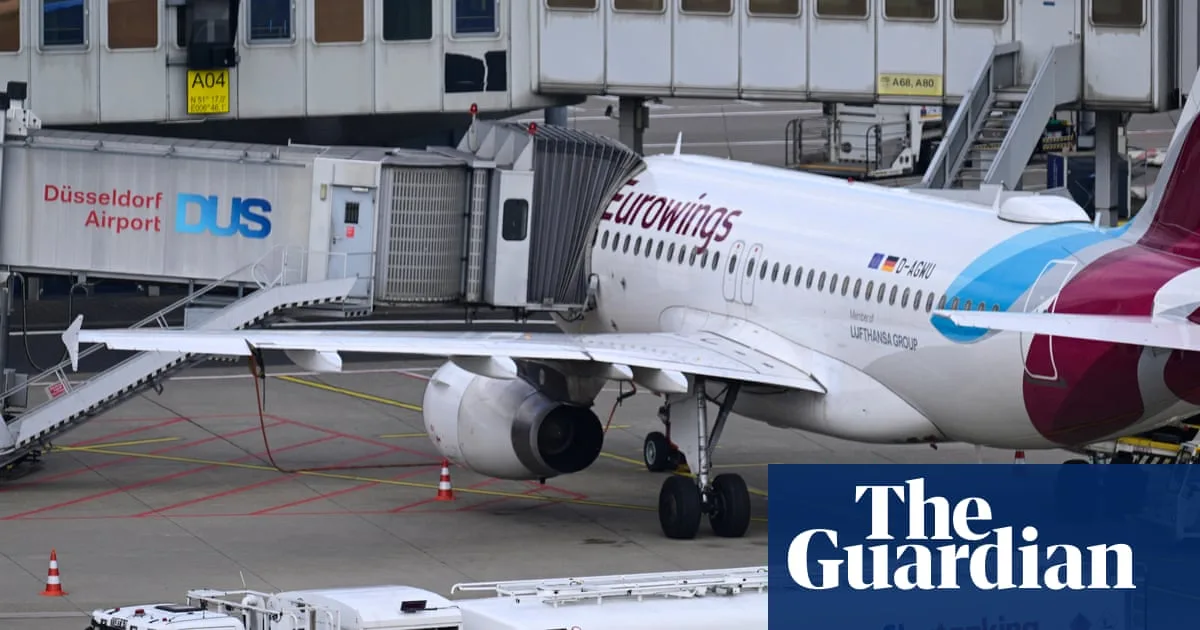
Airlines will have to spend an extra $100bn (£80bn) on jet fuel this year, with fares 'inevitably' rising to cover the cost, the industry’s global body has warned. Speaking at the International Air Transport Association (Iata) summit in Rio de Janeiro, director general Willie Walsh said collective industry profits would halve to $23bn as a result of the fuel price shock caused by the closure of the Strait of Hormuz.
“High oil prices will inevitably mean higher ticket prices,” Walsh said. “There’s just no way to avoid that.” He added that the increase in the fuel bill could be “existential” for some carriers, though he dismissed fears of fuel shortages and said the industry remained profitable overall, with traffic up 2% compared with last year.
British Airways chief executive Sean Doyle said long-haul and business passengers would face the bulk of fare increases. “If fuel goes up, fares have to go up,” Doyle said, but suggested short-haul leisure flights would be the last to rise, as BA has more premium passengers who can absorb costs.
Iata also warned that the EU’s new entry-exit system (EES) could cause long delays for British travellers. Under the system, non-EU citizens will be fingerprinted and photographed, with processing time expected to triple to 90 seconds. Iata vice-president Rafael Schvartsman said the unreliability of systems meant “people will be waiting in lines for a very long time”. Greece has already said it will not apply the checks to UK nationals, but Schvartsman said this would not resolve the issue for other nationalities.




