International Aid Ship Reaches Havana as Cuba's Economic and Energy Woes Intensify
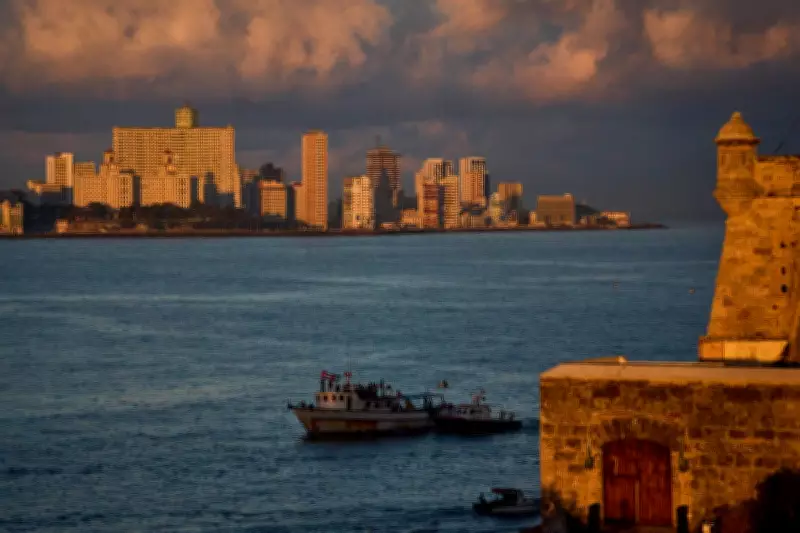
The first vessel of an international flotilla carrying humanitarian aid to Cuba has arrived in Havana, loaded with critical supplies including solar panels, bicycles, food, and medicine. This delivery comes as the island nation grapples with a deepening economic crisis and severe energy shortages that have led to widespread blackouts and infrastructure failures.
Flotilla Brings Solidarity Amidst Growing Hardship
Approximately thirty people were aboard the initial ship, named "Granma 2.0" in homage to the vessel that transported revolutionary leader Fidel Castro in 1956. This is the first of three expected aid ships destined for Cuba, which is currently struggling with a crumbling power grid and an ongoing U.S. energy blockade. Activist Thiago Ávila, upon disembarking, condemned the situation, stating, "This type of economic warfare shouldn't exist, this attitude of a pirate state that doesn't respect international law." He acknowledged that while the aid represents "a drop in an ocean of need," it serves as a significant gesture of global solidarity.
Broad International Support and Political Participation
The flotilla is part of the "Our America Convoy to Cuba" caravan, which includes over 650 participants from thirty-three countries. These individuals arrived on the island last weekend with tons of aid and were received by President Miguel Díaz-Canel. Notable visitors included British parliamentarian Jeremy Corbyn, Colombian Senator Clara López, Spanish politician Pablo Iglesias, and U.S. labor leader Chris Smalls. The popular Irish hip-hop trio Kneecap also participated in the humanitarian effort, highlighting the diverse support for Cuba during this challenging period.

Compounding Crises: Sanctions, Pandemic, and Energy Shortages
The energy embargo imposed by former U.S. President Donald Trump in late January has exacerbated five years of profound economic crisis. This turmoil stems from the paralysis caused by the COVID-19 pandemic and previous U.S. sanctions against the Caribbean nation. Cuba is currently suffering from transportation shortages, reduced working hours, flight cancellations, and, most critically, frequent blackouts, including two island-wide outages in recent days. Deputy Minister of Energy and Mines Argelio Abad Vigo revealed last week that Cuba has gone three months without receiving essential fuel supplies such as diesel, fuel oil, gasoline, jet fuel, and liquefied petroleum gas, all vital for the economy and electricity generation. The nation produces barely forty percent of the fuel it requires.
Geopolitical Tensions and Humanitarian Warnings
Former President Trump and U.S. Secretary of State Marco Rubio, whose parents emigrated from Cuba in the 1950s, have expressed intentions to "take" the island. Authorities from both countries have acknowledged ongoing talks, though details remain undisclosed. Meanwhile, a Hong Kong-flagged vessel reportedly carrying 200,000 barrels of diesel from Russia to Cuba has instead docked in Venezuela, according to MarineTraffic, which tracks global vessel movements. Leaders from several countries and social organizations have warned that Cuba could be on the verge of a humanitarian crisis, prompting aid from nations including Mexico, China, Brazil, and Italy, as well as non-governmental groups from the United States.
Distribution of Aid and Future Prospects
International aid is typically distributed free of charge by the Cuban state through its network of stores used for food purchases, except when donors specify a particular destination, such as medicine for hospitals. As the remaining two aid ships head toward Cuba, the international community continues to monitor the situation closely, emphasizing the urgent need for sustained support to alleviate the island's mounting hardships.