

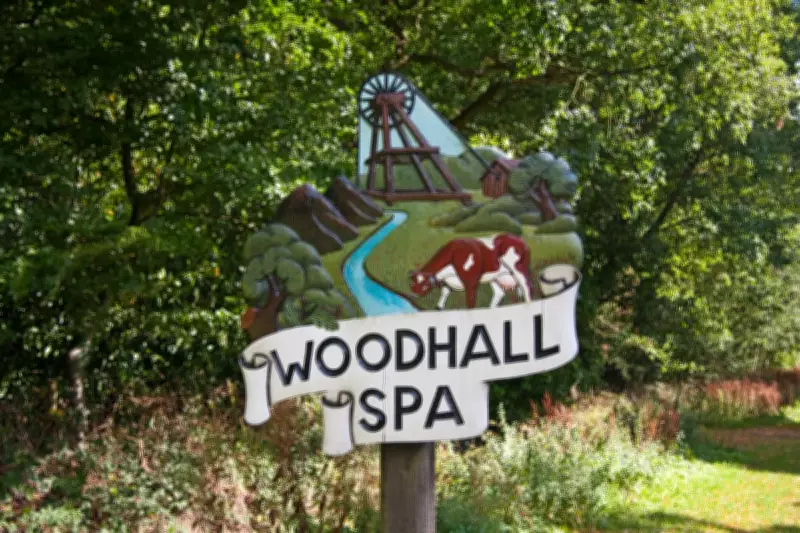
Rediscovering Woodhall Spa: A Forgotten Lincolnshire Retreat
The village’s Edwardian heyday may be a distant memory, but Woodhall Spa has retained its profoundly restorative atmosphere. This Lincolnshire gem, once a fashionable destination for wellness-seekers, now offers a tranquil escape with fascinating history, unique attractions, and serene natural surroundings.
A Dawn Swim in Historic Waters
At 6:30 am, as dawn broke over Jubilee Park lido, the early morning swim proved an unexpected gift. The heated pool, maintained at a delightful 29°C, emitted vapours that mingled with cool air, owl hoots, and the scent of dewy blooms. Swimming into a vivid sunrise, a fellow swimmer paused to admire the reddening sky, mentioning he was hungover but committed to his morning lengths—a testament to the pool’s curative allure.
From Coal to Cure: The Rise of a Spa Town
While Bath, Harrogate, and Buxton dominate spa town fame, Woodhall Spa holds its own unique history. In 1821, an entrepreneur drilling for coal discovered iodine and bromine-rich springs instead, believed to treat conditions like rheumatoid arthritis and gout. The first bath house emerged in 1838, and with the railway’s arrival in 1855, Woodhall Spa flourished into a fashionable Edwardian retreat.

Today, the original bath house operates as a beauty salon, and the railway has closed, but the village’s restorative essence endures. Broad, leafy avenues, red-brick villas, and a protective canopy of trees create a safety blanket-like atmosphere, offering a step back in time. Tina Delaney, a director at the Cottage Museum, moved here from Bedford six years ago, describing it as "moving 100 miles north, 80 years back in time."
Wartime Heritage and Cinematic Delights
The Cottage Museum, housed in a rare 19th-century prefab, chronicles Woodhall’s role in World War II. The 1st Airlanding Brigade trained here for Operation Market Garden, with many becoming prisoners of war. Additionally, Squadron 617, the Dambusters, were stationed at RAF Woodhall Spa, using the grandiose Petwood Hotel as their officers’ mess. Visitors can relax on the hotel’s terrace, enjoying Petwood Bomber ale amidst elegant gardens.
For lower ranks, the Kinema in the Woods provided entertainment. Converted from a late-19th-century sports pavilion in 1922, it was dubbed the "flicks in the sticks" by airmen who viewed top-secret reconnaissance films. Today, it delights cinephiles with rich red decor, movie memorabilia, and deep-plush seats. An intermission allows for treats like local-made Dennetts’ apple pie ice-cream, enhancing the nostalgic experience.
Cycling Through History and Nature
Staying at Bainland, an 18-hectare holiday park with reclaimed-timber lodges, offers easy access to Lincolnshire’s flat landscapes. Borrowing a bike, I explored the Spa Trail, a three-mile off-road route to Horncastle along the old railway trackbed. Sculptures of steel Viking ships and oversized plants honour Sir Joseph Banks, the botanist from Captain Cook’s expedition, who grew up nearby and brought the canal to Horncastle, transforming it into a market town.
Another route, the Water Rail Way, follows the former Lincoln to Boston Railway by the River Witham. This area once held a high density of monastic houses, with remnants like Kirkstead Abbey and Bardney Abbey dotting the fenlands. The ride offered joyful pedaling past swans, sculptures, and defunct stations now serving walkers and cyclists.
Architectural Marvels and Hidden Views
A short cycle south led to Tattershall, home to the light-flooded Collegiate Church of Holy Trinity and one of England’s first brick-built castles. The Great Tower, a 33.5-meter-high structure built in the 15th century by Baron Ralph Cromwell, stands as a fashion statement of its time. Climbing to the turreted roof provided a superlative lookout, with Lincoln Cathedral’s towers visible 18 miles away on clear days. Looking north, Woodhall Spa remained hidden in the green fuzz—an ideal spot for seclusion.
Woodhall Spa may not headline Britain’s spa towns, but its blend of history, natural beauty, and restorative calm makes it a perfect short break. From dawn swims to woodland cinemas and scenic cycles, this Lincolnshire village invites visitors to escape modern horrors and rediscover simple, bygone pleasures.






