Five European holiday hotspots beloved by British tourists are struggling to attract visitors as the 'ghost townification' of certain destinations continues. Wars, recessions, overtourism protests and fed-up locals are among the reasons for slumping visitor numbers in resorts that rely heavily on holidaymakers.
Faliraki in Rhodes, once known for its unruly tourists and late-night punch-ups, has seen a dramatic decline since Greek officials cracked down on behaviour in 2003. The ban on pub crawls and tough policies on violence and scantily clad revellers worked, but at a cost. Local businesses report a 90% dip in earnings, with the summer season shrinking from six months to just three.
Sofia Gkouma, owner of the Acropolis restaurant, said: 'Before, this area would be filled with young English people. They were good customers. For 15 years we had them on pub crawls... but then there was trouble because the hotels that catered for families couldn’t deal with them. They cracked down on young people and they left, with nothing to replace them.'
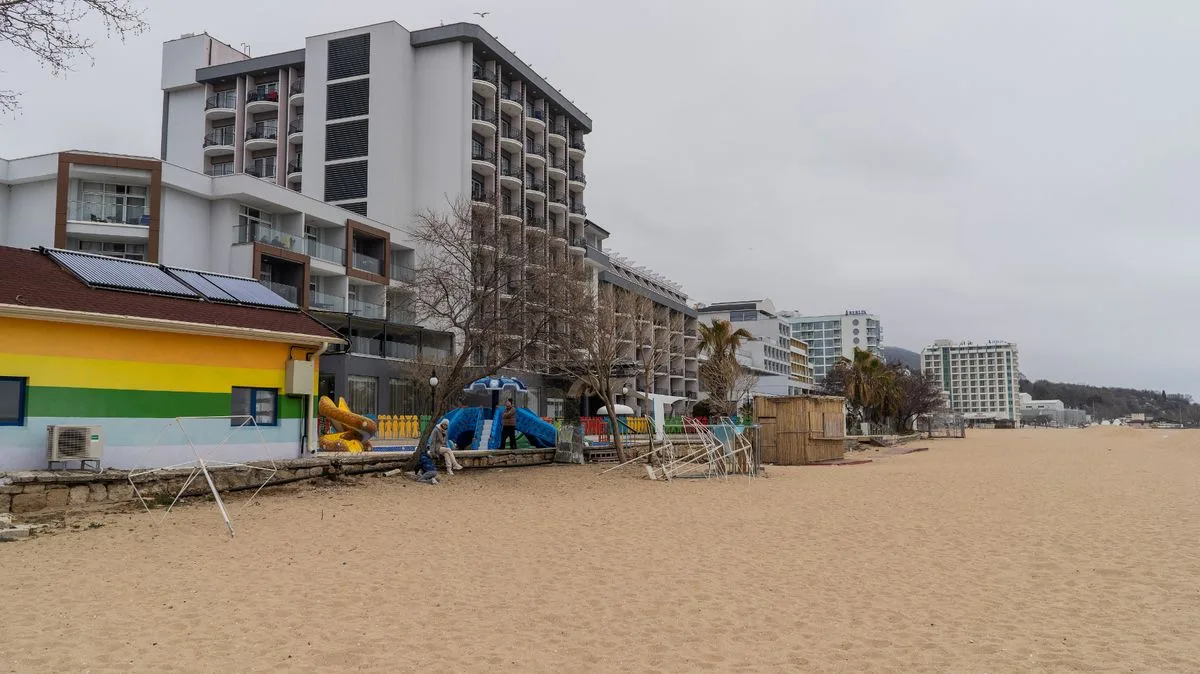
Parts of Bulgaria's Black Sea coast are also struggling. The Bulgarian Hotel and Restaurant Association reported a 40% drop in hotel occupancy rates in some areas. The decline is primarily due to the Russian invasion of Ukraine, which led to a tenfold drop in Russian visitors, from 500,000 in 2019 to 50,000 in 2024. Varna has been particularly impacted.
While the travel industry is generally booming across Europe, with Brits taking a record number of holidays, these destinations show that the post-COVID growth story is not universal. The challenge for these resorts is to find a new identity and attract a different type of visitor.