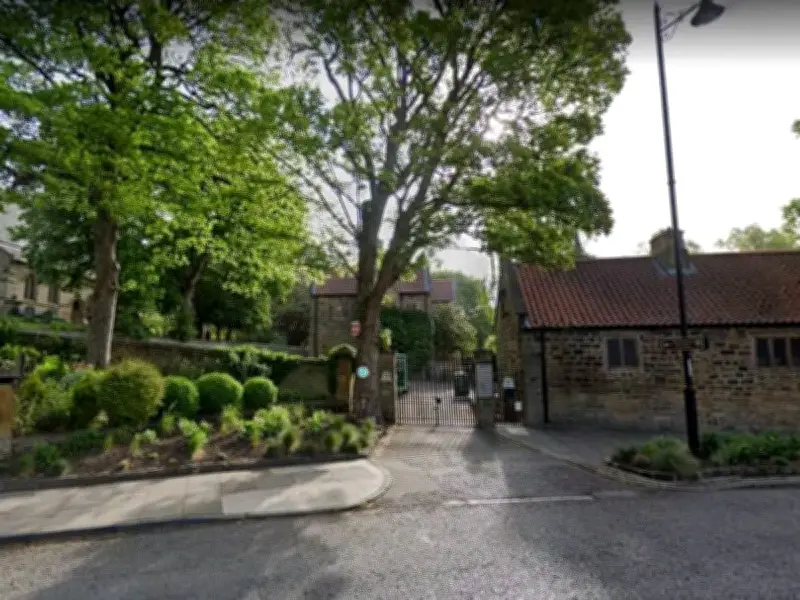
Washington Old Hall in Sunderland is set to undergo significant restoration works to address damp issues that are damaging its historic structure. The Grade I-listed tourist attraction, managed by the National Trust, is the subject of a new listed building consent application submitted to Sunderland City Council.
Restoration Plans for the Great Hall
The proposals focus on the internal walls of the Great Hall, involving the removal of all unsuitable plaster and modern paint from the interior surfaces. The works follow similar restoration efforts previously carried out on the building's stairwell and stairwell tower.
A design and access statement submitted with the application describes the works as essential to conserve and enhance the building and improve the visitor offer of the property. The condition of the walls in the main hall is described as poor, with damp issues causing internal decorations and plasterwork to deteriorate.
Addressing Historic Damp Problems
Supporting documentation reveals that materials used during a previous restoration of the main hall in the 1950s have failed and are actively entrapping moisture within the external walls. The removal of internal plaster is intended to allow the external masonry walls to reach a stable moisture content and enable a thorough assessment of the walls concealed beneath.
Once the walls are revealed, a scheme for further deep tamping of voids internally and options for finishes can then be assessed. Steps to minimise heritage impacts include documenting the existing plaster, overseeing the removal process, and extracting the plaster manually without power tools where feasible.
Protecting a Historic Visitor Attraction
Washington Old Hall is widely recognised as the ancestral home of George Washington, the first president of the USA, and attracts visitors to explore the manor house and its nature-rich gardens.
The application contends that the proposals are necessary to protect the historic fabric of the building and conserve it as a visitor attraction. The design and access statement notes that very limited harm has been identified by the proposal and that the effect on significance should be weighed against any public benefits.
A determination on the proposal is anticipated following a consultation period. Further details can be found on the council's planning portal website under reference 26/02193/LBC.