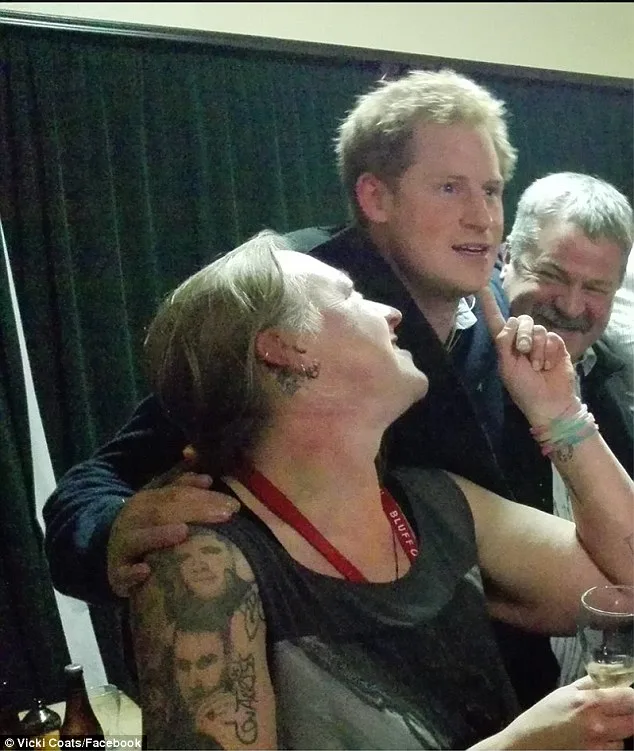
Prince Harry's team, the aptly-named 'Ginger Ninjas', came second in a pub quiz on Stewart Island, New Zealand, beaten by a team of his own bodyguards. The quiz night at the South Sea Hotel featured a round entirely about bodyguards, which the security team mastered.
The prince, who was visiting the tiny island with a population of 381, enjoyed a 'hilarious' evening, throwing his arms around locals and answering royal-themed questions. Despite a clear advantage with rounds on corgis, Eton Mess and royal music, he could not secure victory.
Quizmaster Vicki Coats, who snapped a photo with the prince, described him as 'a really nice, down-to-earth guy'. She did not tone down her language, stating, 'The Stewart Island quiz is the Stewart Island quiz, it doesn't matter who comes.'
The pub had to limit entry for the first time ever due to expected high numbers, and security swept the venue before Harry's arrival. Once there, he chatted with locals, who cheekily poked fun at the fifth in line to the throne. A locally-made ginger beer named 'The Prince Harry' was on offer, and the menu featured items such as Windsor Wedges and Harry's Hotpot.
The next morning, Prince Harry shared a photo of the stunning sunrise over Stewart Island on Kensington Palace's social media. He later visited Halfmoon Bay School, making crowns in art class and answering students' questions.