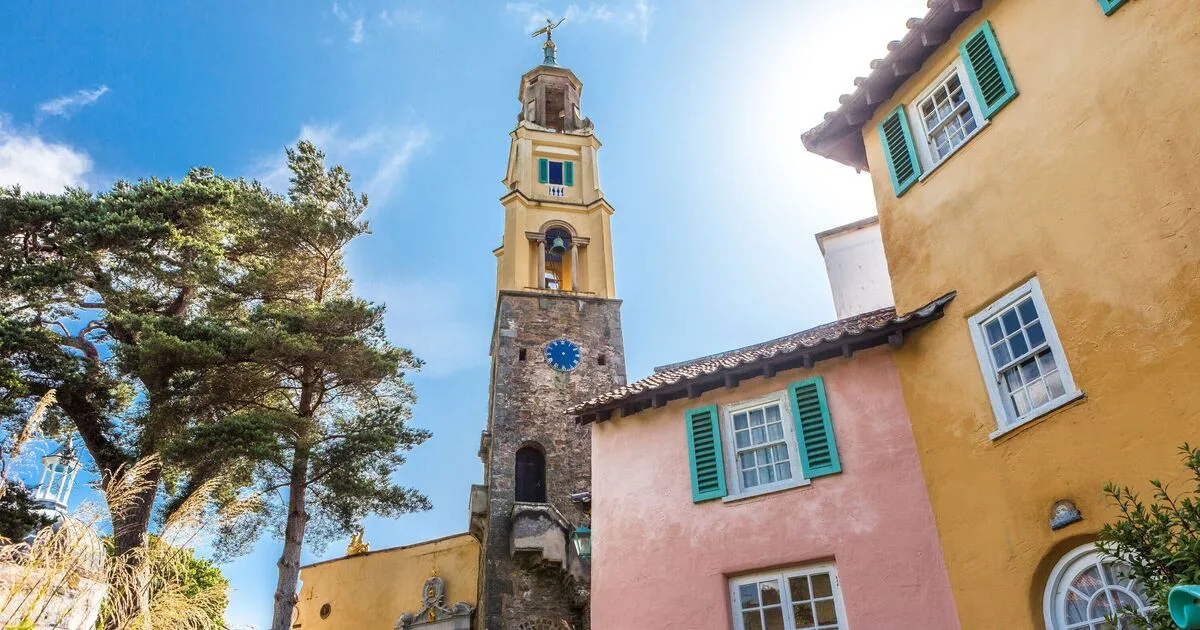
Portmeirion, a picturesque village in Gwynedd, Wales, offers a Mediterranean escape without leaving the UK. Designed by architect Clough Williams-Ellis, who purchased the land in 1925 and spent 50 years perfecting the site, the village features Baroque-style buildings and follies.
Key structures include the Grade I Listed Portmeirion Town Hall, also known as Hercules Hall, built in 1938 with a classical 17th-century design. Its vaulted ceiling depicts the Twelve Labours of Heracles and zodiac signs. Other additions include a Pantheon (1961), a Baroque bell tower (1931), and a two-storey gatehouse (1955).
The village incorporates pre-existing buildings, such as a lodge from the original Aber Ia mansion, now a shop selling Portmeirion Pottery. An 18th-century cottage was expanded in 1966 and attached to the Observatory Tower, built in 1937. Castell Deudraeth, believed to date from the 1700s, sits on the site of a late 12th-century castle.
Visitors praise Portmeirion on TripAdvisor, with one noting it feels like the Amalfi Coast. Another described it as a 'lovely hidden gem' with great views, while a third called the afternoon tea 'the best in the world'.