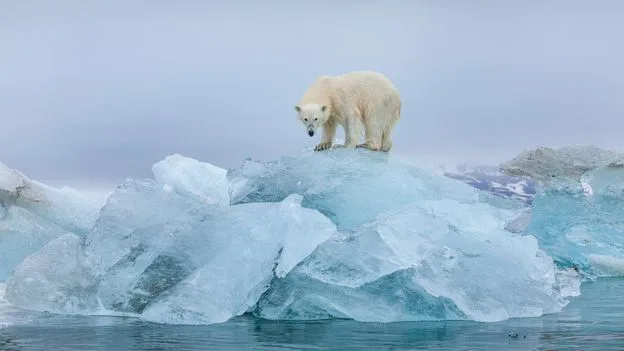
As climate change threatens iconic destinations, 'last-chance tourism' is on the rise. Travellers journey to see glaciers, coral reefs, and other landmarks before they disappear, but experts warn this practice can accelerate their decline if not done responsibly.
Iceland, the Great Barrier Reef, and Antarctica are among the most popular last-chance destinations. Research shows that half of visitors to European glacier sites are motivated by the desire to see ice before it melts. However, the environmental cost of travel and overcrowding can exacerbate the very problems tourists seek to witness.
Professor Robin Kundis Craig of the University of Kansas School of Law advocates for ethical travel. She suggests three key questions: Are you travelling eco-friendly? Is your activity damaging the landscape? What conservation actions can you take at home? Without such considerations, fragile ecosystems risk further harm.
While some travellers become more environmentally aware after their trips, few change their behaviour long-term. Guides and park managers can help channel visitors' emotions into preservation efforts, but ultimately the responsibility lies with the tourist to act ethically.