Butlin's Chief Executive Sounds Alarm Over Proposed Tourism Tax Expansion
The cherished tradition of affordable British seaside holidays faces an existential threat as government proposals could introduce tourist taxes nationwide. Butlin's boss John Hendry Pickup has issued a stark warning that working-class families may be priced out of domestic vacations if local authorities gain powers to charge overnight visitors.
"A UK Tax on UK Families Going on UK Holidays"
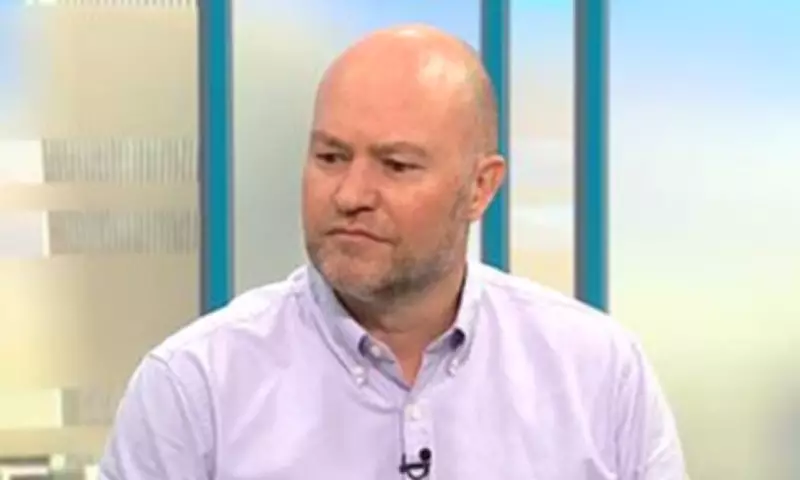
Speaking on Good Morning Britain, Hendry Pickup delivered a passionate critique of the proposed tourism levy, which would allow city mayors and town officials to charge small fees for overnight stays at hotels, holiday lets, bed and breakfasts, and guesthouses. "It feels at the moment that it's going to hit the people who can afford it the least, the most, and I don't think that's fair," declared the Butlin's chief executive, who has led the holiday park chain for three years.
Hendry Pickup framed the proposal as fundamentally misguided, describing it as "a UK tax on UK families going on UK holidays." He illustrated the disproportionate impact with concrete figures: Butlin's breaks outside school holidays typically cost around £49 for a family of four for four nights. Adding a hypothetical £2 per night fee would represent a staggering 66 percent tax increase on these already budget-conscious vacations.

Threat to Off-Peak Holidaymakers
While acknowledging the tax wouldn't render Butlin's business unsustainable—the company's three parks in Skegness, Bognor Regis, and Minehead remain fully booked—Hendry Pickup emphasized the devastating effect on families seeking affordable breaks during non-peak periods. "It makes it extremely difficult for people who are coming to spend time with us outside of school holidays," he stressed, predicting the levy could force families to "make a decision about whether they go on holiday or not."
The timing of this warning coincides with Butlin's 90th anniversary celebrations this weekend, highlighting the company's long-standing commitment to providing good-value family holidays since its founding in 1934.
European Precedents and UK Industry Concerns
The government suggests mayors could use tourism tax revenue to invest in local transport and infrastructure, mirroring practices in popular European destinations where visitors pay "tourism taxes," "city levies," or "eco-fees." Amsterdam charges tourists 12.5 percent extra on hotel rooms—one of Europe's highest visitor charges—while Barcelona uses similar taxes to combat overtourism.
However, Hendry Pickup questioned the UK proposal's rationale, noting: "I think it depends upon what the purpose is in the first place. If you look at what happens with that type of levy in different European countries, they use it for different purposes." He further highlighted that "the tourism industry in the UK is already taxed at the highest rate of any of the major European economies."
Broader Economic Implications
In comments to The Telegraph, Hendry Pickup criticized the proposal for failing to consider diverse hospitality business models. "It is designed to target short stays like Airbnb and does not account for the variety of business models in the visitor economy," he observed.
Business travel organizations have echoed these concerns. Andrew Clarke, commercial director for the Business Travel Association, revealed to the Daily Mail that a tourism tax could cost businesses hundreds of thousands annually. Using Aberdeen's oil and gas industry as an example, he calculated that a seven percent charge on 10,000 room nights at £150 each would total £105,000 yearly—"quite a significant increase on a corporate business's travel budget."
Clarke warned businesses might respond by staying outside city charge zones and using taxis, potentially diverting economic activity from urban centers.
Contrasting Perspectives and London's Potential Windfall
Despite these warnings, some stakeholders view tourism taxes positively. Recent analysis suggests a levy on overnight visitors to London could raise over £350 million annually—substantially more than previous £240 million estimates. Central London Forward, representing 12 central London boroughs, based these projections on a three percent room charge.

The analysis indicates the 12 CLF boroughs alone would generate £275 million, with remaining authorities yielding approximately £77 million. Westminster could raise over £95 million independently, while Camden, Kensington and Chelsea, and Tower Hamlets might each exceed £20 million annually. Central boroughs advocate retaining half the additional income to offset tourism-related costs.
As debates continue, the fundamental question remains whether tourism taxes will bolster local infrastructure or undermine the accessibility of Britain's cherished seaside holiday tradition for working families.