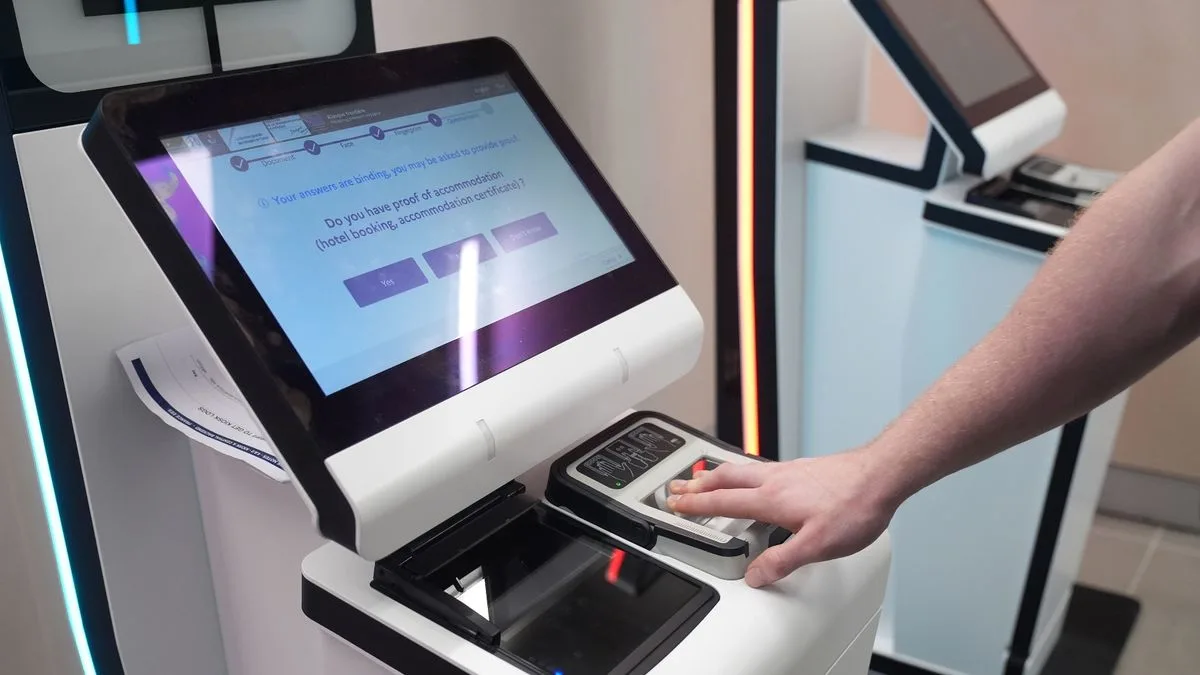
In a bid to alleviate significant delays caused by new European border regulations, a major Spanish airport has launched exclusive lanes solely for British passport holders. This initiative comes as the European Entry/Exit System (EES) officially takes effect, requiring all non-EU citizens, including Britons, to register biometric data upon entering the European Union.
EES Implementation Sparks Airport Queues
The long-awaited EES system, which began on April 10, 2026, has led to extensive queues at various airports, particularly in Spanish holiday destinations popular with British tourists. During the gradual rollout phase, reports emerged of lengthy waits, exacerbated by factors such as airport strikes over the Easter weekend. The system mandates that non-EU travellers provide fingerprints and a photograph to track overstays, replacing manual passport stamps and enforcing the 90-day visa-free rule within a 180-day period.
Palma de Mallorca Airport's Response
Palma de Mallorca Airport, Spain's third busiest with over 33.3 million annual passengers, has confirmed the introduction of dedicated lanes for British travellers. An airport spokesperson, in statements to the Majorca Daily Bulletin, highlighted that these lanes aim to streamline the process, as first-time EES registrations can take several minutes per passenger. British visitors will be directed to specific kiosks for biometric data collection, with additional Guardia Civil staff deployed to assist.
Despite its single terminal divided into four zones, the airport has faced complaints about overcrowding and delays, though it is often praised for efficiency. The new lanes are expected to reduce pressure at passport control, offering a more organised approach for the high volume of British holidaymakers.
Impact on British Travellers
Under the EES, British travellers must adhere to the 90-day limit within any 180-day window, a rolling calculation that has caused confusion for some. The system has already identified over 4,000 individuals who overstayed, whether accidentally or deliberately. To mitigate delays, Brits visiting Portugal or Sweden can use the official Travel to Europe app to pre-register biometric data and generate a QR code, speeding up airport procedures if no further checks are required.
Future Changes: ETIAS Visa-Waiver Scheme
Later in 2026, British travellers will also need to comply with the European Travel Information and Authorisation System (ETIAS), a separate visa-waiver program. Unlike EES, ETIAS requires an online application costing approximately €20, valid for three years, and is designed to enhance security screening for visa-exempt visitors.
This layered approach to border management reflects ongoing adjustments post-Brexit, with airports like Palma de Mallorca adapting to ensure smoother travel experiences amidst evolving EU regulations.