Spain's 'Ghost Islands' Deliberately Cut Off from Mainland Access
Five volcanic islands situated within the Mar Menor lagoon in Spain's Murcia region are deliberately isolated from the mainland to restrict tourist access and preserve their delicate ecosystems. While these islands are protected areas with limited entry, visitors can still explore some of them through authorised boat tours that require advance planning.
The Unique Geography of Mar Menor
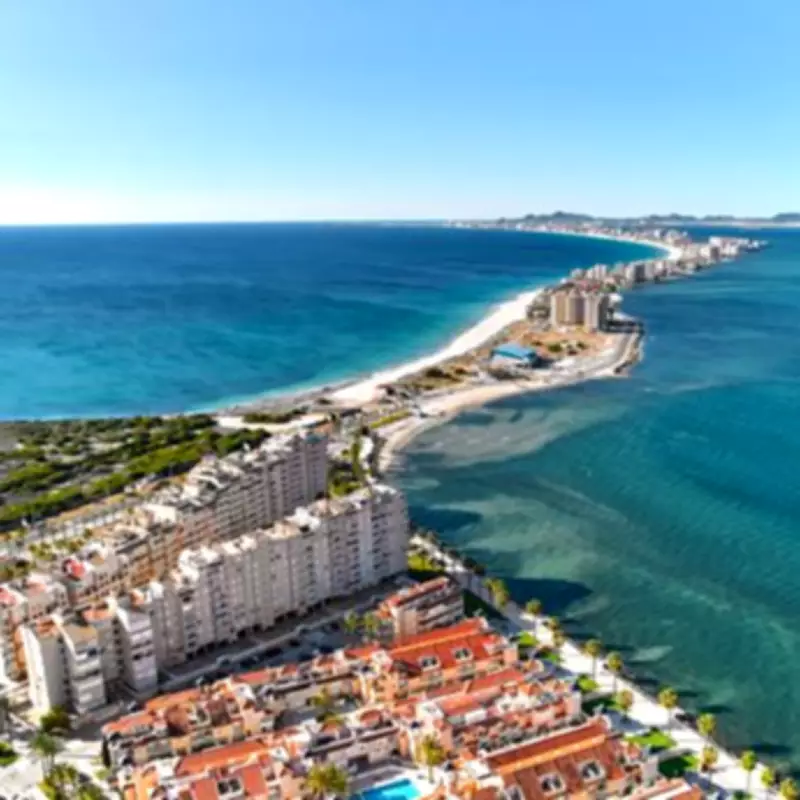
The Mar Menor lagoon is separated from the Mediterranean Sea by La Manga, a 22-kilometre-long sandbar that varies in width from 100 to 1,200 metres. This natural barrier creates a sheltered saltwater environment renowned for its tranquil waters and favourable climate. The five volcanic islands within this lagoon formed at the end of the Pliocene epoch and have since developed into both tourist destinations and vital wildlife habitats.
The entire area has been designated as a Specially Protected Area of Mediterranean Importance and functions as a Special Protection Area for bird species. Hotels and bars now line the shores of La Manga, but the islands themselves remain largely untouched by modern development.

Barón Island: Largest and Most Historic
Barón Island spans 94 hectares and serves as the largest island in the Mar Menor lagoon. This Natural Reserve, owned by the Figueroa family, features a landscape that rises toward its centre, where the highest peak reaches 104 metres above the surrounding shoreline. The island's most prominent structure is a Neo-Mudéjar-style palace and tower constructed by the 19th-century Baron of Benifayó.
Local folklore tells of a "haunted" Russian princess allegedly imprisoned on the island by the Baron, with rumours suggesting her spirit still roams the clifftops. Visitors are more likely to encounter mouflons (wild sheep) than supernatural phenomena. Access to Barón Island is strictly controlled, with Flippa Boat tours representing the only authorised means of visiting, unless one secures a personal invitation from the island-owning family.
Perdiguera Island: Dangerous History
Perdiguera Island, named for its once-thriving partridge population, represents the second-largest island in the archipelago. This island underwent a tomborization process that connected it with Espartera Island, but tourist access has been severely restricted for two significant reasons. During the Spanish Civil War (1936-1939), the island served as a bombing practice site, leaving numerous unexploded ordnances that make the area hazardous for visitors.
In the 1990s, authorities conducted bomb detection and disposal operations amid concerns that newly constructed beach facilities might attract unsuspecting holidaymakers into dangerous areas. Despite these efforts, excessive foot traffic during the late 1990s triggered substantial landslides into the sea, prompting local authorities to mandate the closure of beach vendors in 2007.
Deer Island: Deliberate Isolation
Deer Island stands as the southernmost rocky outcrop within the Mar Menor lagoon, covering 16 hectares of volcanic terrain. Authorities have taken deliberate measures to protect this island's fragile ecosystem by dismantling an artificial causeway that once connected it to the mainland. This action ensures the island remains isolated from mainland access, preserving its natural environment.
Round Island and Subject Island
Round Island represents the smallest of the five islands and receives the fewest human visitors, though it serves as a favoured nesting spot for waterfowl populations. Subject Island, situated nearest to the shoreline in the secluded Cala del Pino area, offers little beyond abundant thyme and lavender vegetation.
Practical Information for Visitors
For those wishing to explore these unique islands from the United Kingdom, Murcia airport serves as the closest gateway to the Mar Menor region. Travel arrangements require significant advance planning, as visitors must organise their trips through authorised boat tour operators who have permission to dock at specific locations across the island chain. This March, return flights are available from Birmingham for £13, from Manchester for £18, and from London Stansted for £19.

The deliberate isolation of these "ghost islands" represents a careful balance between conservation efforts and limited tourism access, ensuring these unique volcanic formations and their ecosystems remain protected for future generations while allowing controlled exploration through regulated channels.