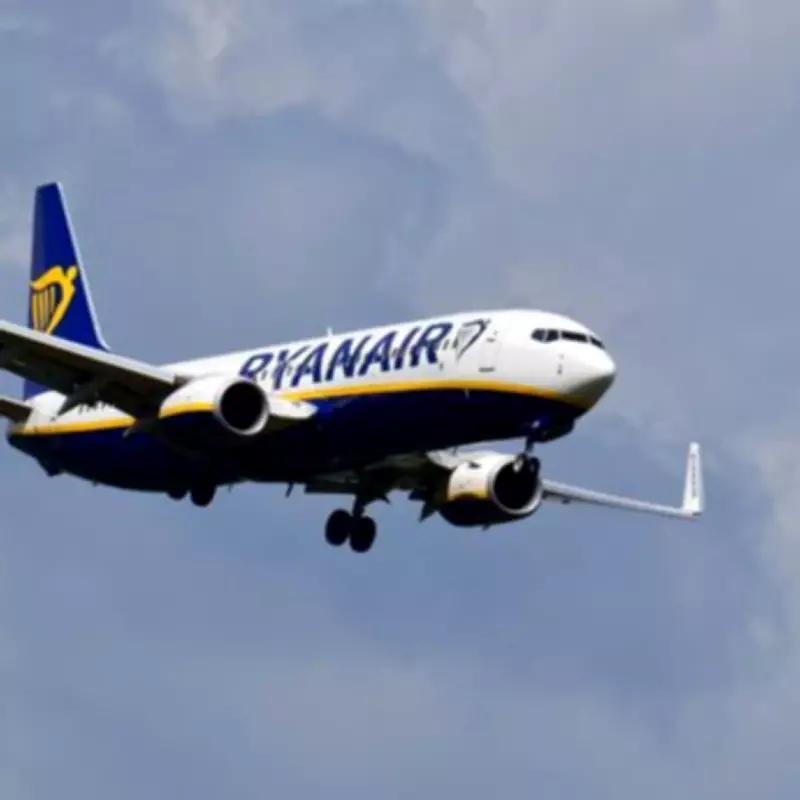
Ryanair Dismisses 'Cheaper Flight' Hack as 'Fake News' Amid Savings Claims
Ryanair has strongly disputed claims from consumer champion Which? that passengers can save significant money by avoiding the airline's "recommended" fare options, labelling the advice as "fake news". The dispute centres on research suggesting families could potentially save over £100 on flights by opting for alternative booking methods.
Which? Research Reveals Potential Savings
According to Which?, travellers may have been spending more than necessary by following Ryanair's suggestions during the booking process. In February 2026, the organisation examined 15 flights to various destinations and found that in only one instance was the "Regular" fare cheaper than manually selecting a "Basic" fare and adding extras separately.
Which? provided a specific example: when arranging a summer journey from London to Alicante for a family of four, Ryanair promoted its "Regular" fare as the "ideal" selection. However, choosing this option would have cost £59 more than selecting the "Basic" fare and manually adding identical seats and luggage later in the booking process.

The potential savings could be even greater if passengers adjust their luggage needs. Which? noted that if a family decided they could manage with four cabin bags instead of the eight included in the "Regular" fare, they could reduce the fare by £163 compared to Ryanair's recommendation.
Ryanair's Forceful Rejection
Ryanair has made its position on Which?'s findings abundantly clear. A spokesperson for the airline told Sky News: "This is more fake news from Which? Thankfully no one reads, or takes any notice of Which's fake recycled news articles or your spurious 'advice', as our traffic growth from 200 million to 208 million passengers in 2025 proves."
The airline's response highlights its confidence in its pricing structure and customer loyalty, despite the consumer group's claims. Ryanair's "Regular" fare includes priority boarding, carry-on luggage, and free standard seat selection, but Which? maintains these bundled options rarely represent the most economical choice.
Broader Implications for Travellers
This dispute raises important questions about transparency in airline pricing and consumer awareness. Which? has conducted around 30 checks over the past two years, consistently finding that the "Regular" fare is almost never the cheapest option, even when passengers want all the included extras.
The controversy underscores the importance of careful comparison during the booking process. Passengers are encouraged to scrutinise all available fare options and consider whether bundled extras represent genuine value for their specific travel needs.
As budget airlines continue to dominate the European travel market, such disputes between consumer advocates and airlines may become more frequent, potentially influencing how travellers approach flight bookings in the future.