

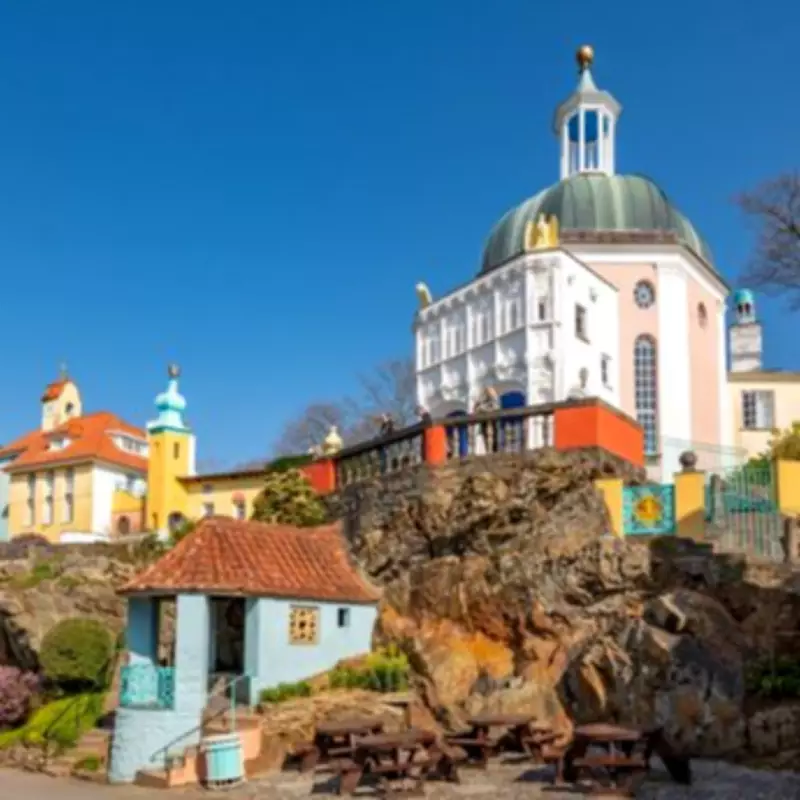
Portmeirion: A Mediterranean Paradise in Wales Celebrates 100 Years
If you are dreaming of an Italian escape, you might not need to travel far from home. Nestled along the Welsh coastline, Portmeirion is a private village resort that delivers an authentic la dolce vita experience without the high costs of international flights. This unique destination has been captivating visitors for a century with its Italian-inspired architecture, lush palm trees, and scenic plazas, making it feel like a true Mediterranean haven.
A Vision Born from Imagination
The stunning Portmeirion sprang from the creative mind of Welsh architect Clough Williams-Ellis. His vision was to develop a village that would complement and preserve the natural beauty of its surroundings. Construction occurred in two distinct phases: the first from 1926 to 1939 and the second from 1954 to 1976. By the project's completion, Clough was in his 90s, having personally designed and built most of the structures, with only a few, like the Town Hall relocated from Bristol, added from elsewhere.
Clough showed a distinct fondness for Italian architectural styles, leading many to speculate that the coastal town of Portofino inspired him. However, he firmly rejected these claims, insisting he merely aimed to capture the Mediterranean atmosphere. Today, Portmeirion boasts an impressive array of styles, from Riviera-inspired townhouses to ornamental gardens and Italian-style piazzas, all within a compact village setting.

Accommodation and Dining Options
At the heart of Portmeirion is the grand Hotel Portmeirion, opened in 1926 as the centrepiece of the village. It features 14 elegant bedrooms, a fine-dining restaurant, and a terrace bar, with rates for a double room starting at approximately £328 per night, including breakfast and dinner packages. The hotel also offers an open-air swimming pool on the estuary lawn.
Scattered throughout the village are various village rooms, catering to all group types with family rooms and accessible ground-floor options. Each room is individually crafted to maintain a Mediterranean ambience while offering picturesque views across the Dwyryd Estuary. Additionally, the village includes Castell Deudraeth, a four-star residence described by Clough as the largest and most imposing single building on the Portmeirion estate. Visitors can dine at its brasserie or opt for self-catering cottages and a motorhome park.
Dining in Portmeirion is a highlight, with options like the Castell Deudraeth Brasserie, praised for its relaxed setting and tasty food, and Caffi Glas, which features alfresco seating designed to evoke an Italian piazza. The Hotel Portmeirion's restaurant also receives excellent reviews, offering freshly made pizzas, pasta dishes, and salads, complemented by wines and locally sourced Welsh beers.
Visitor Experience and Legacy
Portmeirion attracts around 200,000 visitors each year, many of whom opt for annual passes for unlimited access. Guests can enjoy leisurely strolls through its immaculately designed streets or settle in for longer breaks. Recent reviews on TripAdvisor describe the village as magnificent and akin to stepping into another world, with its unusual building shapes and vibrant colours.
This Welsh gem continues to thrive as a Mediterranean paradise, offering a seaside experience unlike anywhere else in the UK. Whether for a day visit or an extended stay, Portmeirion remains a testament to Clough Williams-Ellis's vision, blending Italian charm with Welsh natural beauty for over 100 years.






