

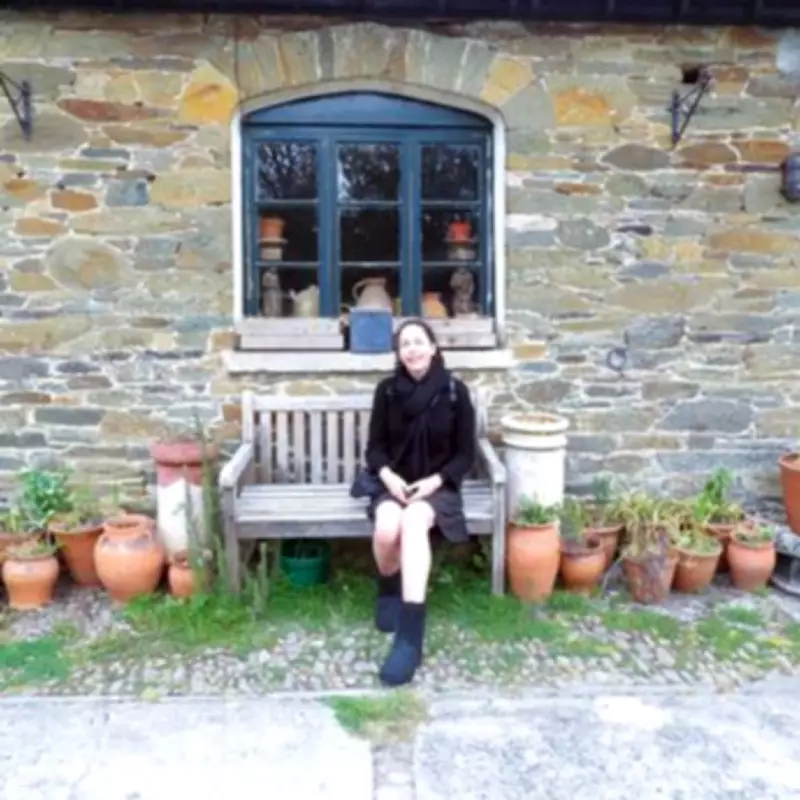
Tucked away in the rolling Cornish countryside lies a captivating ancient manor at the centre of a charming village that remains very much alive with locals. This remarkable stately home has been continuously inhabited for 1,000 years, making it widely regarded as the longest occupied residence in the UK.
A Journey Through Time at Port Eliot House
I recently visited the picturesque village of St Germans and met with the current occupants of Port Eliot House. My companion and I were treated to a guided tour of the magnificent stately home, which includes the breathtaking Robert Lenkiewicz's famous Round Room Riddle mural.
The good news is that anyone can experience a tour of this extraordinary house, led by the brilliant guide Coco Brown MBE. She brings to life the unconventional family's rich history, sheds light on the remarkable artwork housed within — and even delves into some possibly "ghostly goings on" lurking in certain ancient rooms.

Exploring the Grounds and Amenities
Before stepping inside the grand manor and soaking up centuries of history involving sirs, earls, butlers, servants and valets, I took some time to browse a delightful shop and café located on the grounds. The Stables Café, its adjoining shop and the Elephant Bar are all well worth a visit in their own right. Visitors can also wander through the stunning gardens and parkland, open daily from 10am to 5pm (adults £6), which were bursting with bluebells and wild garlic when I explored the grounds.
Inside the Manor: A Glimpse into the Past
Inside Port Eliot House, I certainly sensed a welcoming spectral presence in certain rooms — the inhabited ancestral home appears suspended in time and proves utterly captivating. Lady Bianca Eliot currently resides in the stately residence alongside her children; she's also landlady of the village's local pub, The Eliot Arms — an authentic Cornish establishment.
One remarkable ancestor who passed away in his thirties emerged as the most striking and vibrant figure I discovered during my guided tour of the property. Edward James Eliot was born at Port Eliot House in Cornwall in 1758 (he also died there in 1797 and is buried in the family vault at the nearby St Germans Church).
Edward James Eliot: A Life of Reform and Charity
Edward James Eliot played a crucial role in the abolition of slavery, spearheading major parliamentary reform and undertaking charitable work, despite his relatively short life. Portraits hanging throughout Port Eliot depict Edward alongside numerous other relatives across the generations, predominantly painted by artist Sir Joshua Reynolds (1723 – 1792). These historic images chronicle tales of heartbreak, joy and the unconventional spirit of the Eliot dynasty from that era — creating a compelling narrative.
The Long History of Port Eliot House
Port Eliot House initially hosted Bronze Age and Iron Age communities, followed by Celtic Christians and monks, before King Henry VIII's dissolution of monasteries during his reign. Subsequently, John Eliot of Coteland acquired the Port Eliot estate in 1565 (he's rumoured to have come to Cornwall from Devon) and became the founding member of the family line. As the centuries passed, the family even relocated to the nearby estuary shore for easier trading. They also offered their servants and valets well-appointed rooms with outstanding views — a remarkably progressive gesture for the era — while also wielding their political influence in a largely admirable and occasionally rebellious manner.
To find out more about this stunning Cornish stately home and plan your visit, head to the Port Eliot House website.






