Olhão, an authentic Algarve fishing town with winter sunshine, is reachable from Liverpool John Lennon Airport with flights from £17, offering November temperatures around 20C.
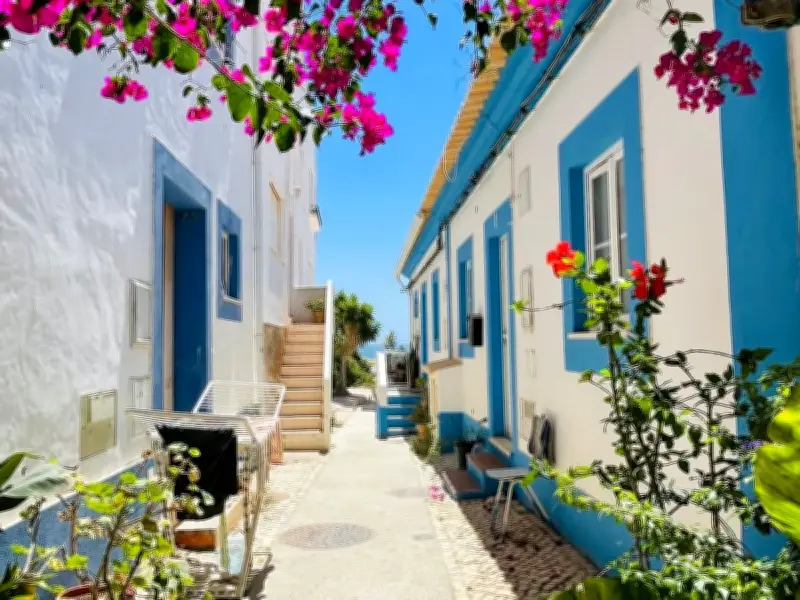
Travel writer Daniela describes the town, which sits on Portugal's southern coastline, as a place where "fisherman, locals and tourists move at the same slow pace through the narrow, whitewashed streets." She adds: "Charming and full of character, this town perched on the edge of the Ria Formosa feels as though time has paused. Ornate chimneys and flat, Moorish-style roof terraces make the old centre of the small city feel closer to northern Africa and unlike any other town in Portugal. Plus if you're a seafood fan, Olhão is unmissable."
An Authentic Fishing Town
The town, nicknamed the Cubist City for its architecture, remains a hard-working fishing port at its core. "It's here in the old laneways that you'll rub shoulders with local characters who are perfectly rough around the edges, just like this forgotten city by the sea," Daniela notes.
While Olhão may have less name recognition than Albufeira, Sagres and Lagos, it is one of the most intriguing spots on the Algarve. A major attraction is its fish market, housed in the twin red-brick market halls that line the seafront, contrasting with the whitewashed old town. Locals claim the buildings were designed by Gustave Eiffel, though the truth of that claim is questionable. One hall sells fruits, vegetables, cheese and meats, while the other is dedicated to seafood, featuring fresh clams, mussels, oysters, crab and delicacies like muxama, given the town's status as one of the country's main fishing ports.
Island Escapes and Local Legends
From Olhão, ferries run to Ilha da Culatra and Ilha do Farol, sand islands with rustic villages of fisherman homes. The old town by the waterfront offers narrow, multilevel houses with flat, Moorish-style roof terraces, providing views of the Ria Formosa.
The centre of Olhão has five squares linked by the Caminho das Lendas, or 'Path of Legends', a pedestrian trail featuring original sculptures that tell stories from the town's history, such as the legend of the enchanted Moorish boy. The Ria Formosa runs for 60 kilometers and is a maze of canals, islands, marshland and sandy beaches, home to around 200 bird species including Greater Flamingo, Eurasian Spoonbill, Black-winged Stilt and Pied Avocet.
A Town Resisting Change
The town's main appeal is its resistance to change. Phillip Giddings, who has written about Portugal for 25 years, says: "While the rest of the Algarve polishes itself for the tourist brochures, Olhão is still gutting fish on the quayside at six in the morning. This is the Algarve with its sleeves rolled up, a working fishing port where the day begins with the trawlers coming in and ends with the catch on your plate a few hours later."
Giddings adds: "Olhão is not for everyone. There are dilapidated corners, no beaches within walking distance, and none of the manicured polish of Vilamoura or Lagos. If that is what you are after, you should look elsewhere. But if you want to see how the Algarve actually lives when it is not performing for visitors, you have come to the right town." The easiest way to reach Olhão is to fly into Faro Airport and then drive or take a taxi for 15 minutes.