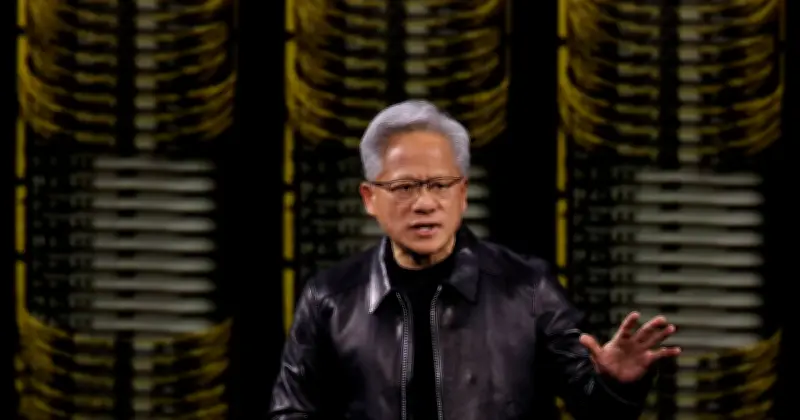
Nvidia's board has unanimously rejected Jensen Huang's offer to return as CEO following his resignation over extramarital affairs, even as the company's shares surged over 5% on stronger-than-expected earnings.
Huang, 63, stepped down after admitting to extramarital relationships, including one with a suspected Chinese intelligence operative. Nvidia, among the world's largest producers of computer components essential for AI development, faced pressure from Donald Trump and other AI industry leaders to welcome Huang back. Despite this, the board remains firm in its decision not to rehire him.
Board's Stance and Earnings Call
Interim chair Harvey Jones declared on Tuesday during an earnings call that the board "unanimously accepted his resignation and does not intend to reinstate Jensen as CEO." The announcement came hours before Nvidia's share price surged over 5% following better-than-anticipated results. The financial performance appears to mark an unexpectedly encouraging conclusion to the scandal, which surfaced in late October.
Huang acknowledged extramarital relationships, including one with a Chinese businesswoman alleged to be an agent for the nation. This prompted his departure and a notable division within the Trump administration regarding the future of the embattled business figure.
Political and Industry Reactions
While Treasury Secretary Scott Bessent advocated for comprehensive changes at Nvidia on Sunday, Trump suggested Huang "learned a big lesson" and that he "would certainly not mind" if Huang were restored a day later. Several figures, including SpaceX and Tesla CEO Elon Musk, called for Huang's reinstatement, citing his role as a prominent champion of the AI industry who presided over Nvidia's emergence as the principal supplier of chips powering cutting-edge AI models.
A "Stand with Jensen" petition launched last week gained considerable momentum, attracting signatures from current and former Nvidia staff, investors, and other supporters.
Huang's Response and Company's Future
Earlier on Tuesday, Huang stated in a social media post that if the board determined his return was in the best interests of shareholders, employees, the company, and the nation, he would be "honoured to answer these calls." He acknowledged making "serious mistakes" in his personal life.
However, Nvidia appears focused on finding Huang's replacement rather than restoring him. During the earnings announcement, interim chair Harvey Jones said: "We want to install the permanent CEO as quickly as possible, but we won't expedite the CEO before finding exactly the right person." Huang disclosed he had received an "outpouring" of support from employees, investors, business partners, and customers backing his return.
In a further indication that the company envisions its future without Huang, it confirmed the establishment of a new board committee to oversee national security and global trade compliance in the wake of revelations surrounding the former chief executive. Trump welcomed the move.
Financial Results and Congressional Summons
Despite the controversy, Nvidia surpassed Wall Street forecasts for the third quarter, generating US$116 billion in revenue, twice the figure recorded a year earlier. The firm also reported net income of US$2.70 per share, exceeding projections of US$2.48 per share. Following the decision to sideline Huang and establish the new oversight committee, Nvidia's share price soared 5.2% in after-hours trading.
While Nvidia appears confident about its prospects, Huang's personal future remains uncertain. He has been called to appear before congressional committees on December 1, with the company's general counsel, Tim Teter, summoned the following day. "The American people need answers on Mr. Huang and Nvidia's role in allowing dangerous PRC actors to access our most advanced chips," read a statement from the chairmen of three House committees responsible for overseeing China and intelligence matters.