A British holidaymaker is fighting for his life following a severe shark attack in the Maldives, with experts now warning that a surge in incidents across the luxury tropical destination may be driven by human behaviour promoted through social media channels.
Recent Attack Highlights Growing Danger
A newlywed Spanish gynaecologist named Borja was airlifted to ADK Hospital on Monday afternoon after being bitten by a shark off the coast of Kooddoo island. The victim, who suffered significant blood loss, required leg amputation following the traumatic incident. He had reportedly entered waters near the Kooddoo fish processing plant, an area known for large schools of Spinner sharks.
This attack represents the latest in a concerning series of cases within the island nation, renowned globally for its crystal-clear waters and abundant marine biodiversity. However, these remote islands also host numerous shark species whose predatory instincts remain unchanged despite their picturesque surroundings.
Scientific Research Points to Human Provocation
While shark attacks remain statistically rare occurrences, marine scientists emphasize that many recent bites result from humans getting dangerously close to these predators. A comprehensive study published in Frontiers in Conservation Science analyzed historical data from the Shark Attack Files, examining over 300 cases worldwide between 2009 and 2023.
The research revealed that approximately 5% of the 74 recorded bites during this period were likely defensive reactions, occurring immediately after sharks felt threatened by human proximity or contact.
Celebrity Influence Creates False Security
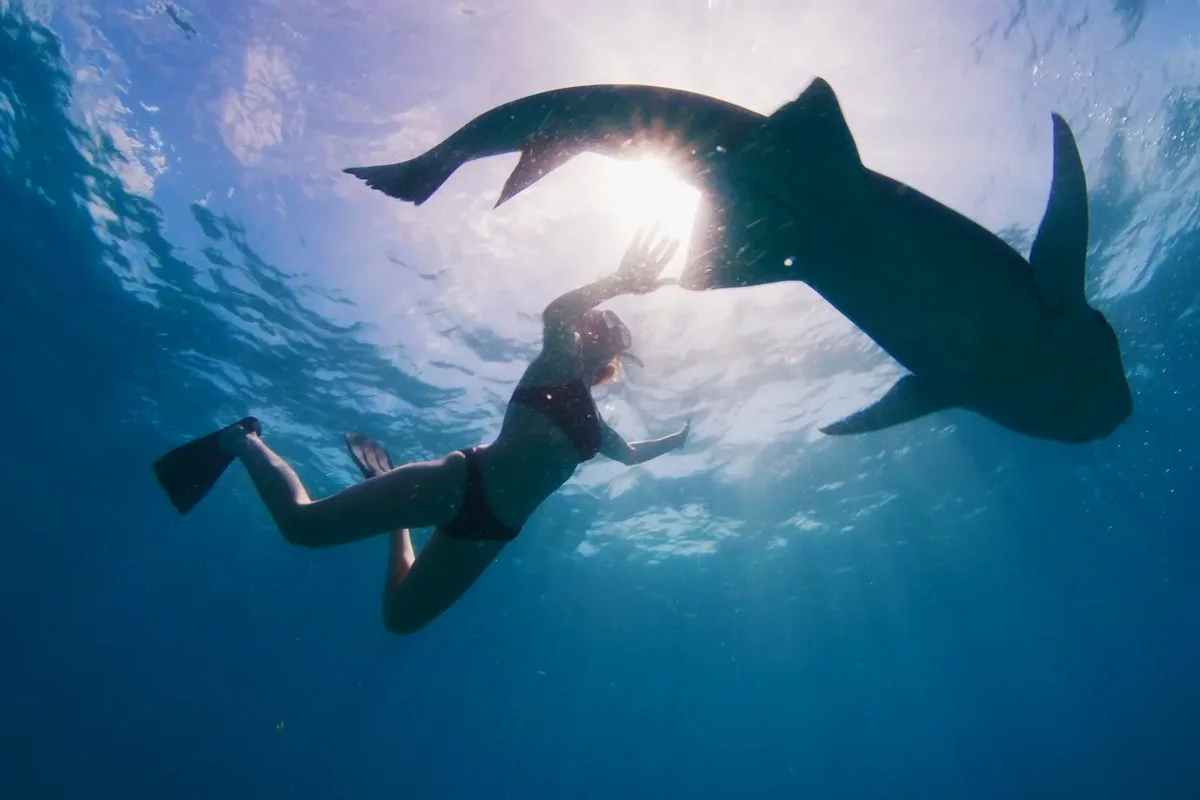
Professor Eric Clua, who led the groundbreaking study, identifies social media as a significant contributing factor to the escalating problem. He specifically criticized online influencers who encourage physical interaction with sharks under the guise of conservation awareness.
"I don't encourage, as many influencers do on social networks, [people] to cling to a shark's dorsal fin or stroke it," Professor Clua told The Times. "People know the difference between a Yorkshire terrier and a pit bull, whereas they don't know the difference between a blacktip reef shark and a bull shark, which are their marine equivalents."
The phenomenon has been amplified by numerous celebrities sharing close encounters with sharks, including:
- Rihanna's 2015 underwater photoshoot inside a shark tank commemorating Jaws' anniversary
- Zac Efron's photographs swimming with endangered tiger sharks
- Bella Thorne's images petting a sedentary nurse shark
- Chris Hemsworth's 2021 National Geographic documentary featuring shark diving
Marine biologists argue this celebrity content generates a dangerous illusion of safety, particularly among tourists who cannot distinguish between relatively docile species and genuinely dangerous predators.
Viral Content Normalizes Risky Behaviour
Online platforms now host numerous accounts dedicated to shark interaction videos, some accumulating thousands of followers. Ocean Ramsey, a Hawaii-based conservationist operating one such popular account, acknowledges sharing "rare moments of physical connection" with sharks.
However, her videos—including one showing her stroking a massive great white shark—have drawn sharp criticism from scientific communities. Marine biologist David Shiffman expressed disbelief that "'please don't grab the 18ft-long wild predator' is something that needs to be explicitly said out loud."
Recent Incidents Demonstrate Escalating Pattern
The Maldives has experienced multiple shark attacks over recent years, with several high-profile cases documented:
- June 2024: Maldives National Defence Force officer Lance Corporal Mohamed Zaidhan died after a shark mauled his shoulder while snorkelling
- November 2024: Terrifying footage captured a massive shark clamping its jaws around a diver's head in a surprise attack
- November 2024: Travel influencer Lilian Tagliari suffered a bite to her right leg while swimming among 50 nurse sharks
- February 2025: Russian influencer Nastya Vitonova sustained hand injuries from a shark bite during an organized tour
- April 2025: Moscow dentist Ekaterina Alexandrova required stitches after a shark bit her hand while snorkelling
These incidents collectively illustrate a troubling trend in a destination where sharks typically avoid human contact unless provoked or disturbed.
Expert Recommendations for Tourist Safety
Professor Clua offers straightforward advice for travellers visiting shark-populated areas: maintain respectful distance and appreciate these animals as wild predators rather than attempting interaction.
"Just look at it. Enjoy its beauty, but remember they are wild animals, predators that can act as predators," he told the Independent. "It is not only a matter of safety but also of respect."

While sharks do not typically hunt humans and fatal attacks remain extremely uncommon, scientists stress that incidents frequently occur when sharks are poked, chased, or otherwise interfered with by people seeking close encounters for photographic or social media purposes.
The combination of increased tourism, social media influence, and misunderstanding of shark behaviour has created perfect conditions for more frequent incidents in previously safe marine environments.