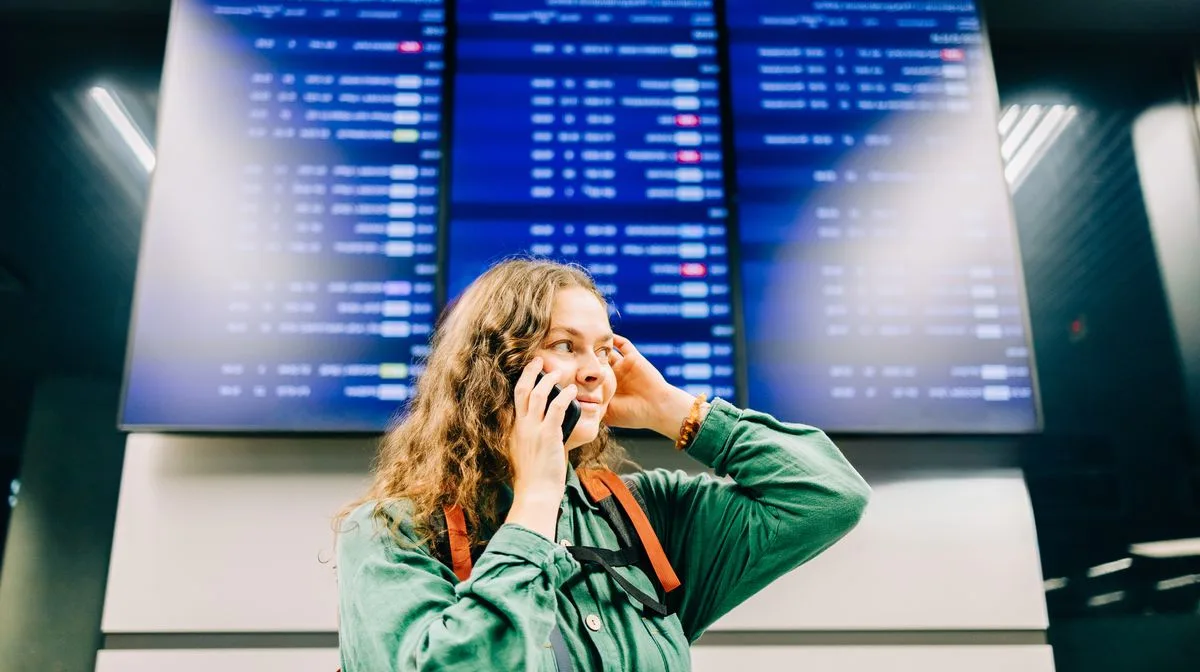
Holidaymakers face significant changes this summer as new temporary rules allow airlines to merge or cancel flights amid potential fuel shortages. The guidance, driven by the ongoing Iran-US conflict and the closure of the Strait of Hormuz, means airlines running multiple flights to the same destination daily can combine them to save fuel. Airlines will not be penalised for merging routes and will retain their landing slots, aiming to minimise cancellations.
A landmark lawsuit in Germany signals a shift in traveller expectations. David Eggert, 48, from Dusseldorf, successfully sued his tour operator after he and his family could not find sun loungers at a resort in Kos, Greece, because other guests reserved them with towels. The court ruled that tour operators have a duty to ensure a reasonable number of loungers relative to guests. Eggert warned that if thousands of holidaymakers follow suit, costs for travel companies could run into millions.
Hotels across Europe are cracking down on the practice of reserving sunbeds with personal items. One French holiday camp has introduced an alarm system that sounds twice daily; anyone not using their claimed lounger at that time loses it, with belongings moved to lost property. This reflects a broader push to ensure fair access to facilities.

Travel experts say the lawsuit marks a turning point. Declan Somers, CEO of Mobal, noted that after years of cancellations and delays, tolerance for avoidable friction has dropped sharply. Alexandra Dubakova, CMO of Free Tour, added that the ruling categorises a lack of facilities as a contractual defect, changing what was once seen as a cultural quirk. Companies that reduce uncertainty and manage expectations honestly are expected to thrive in 2026.