

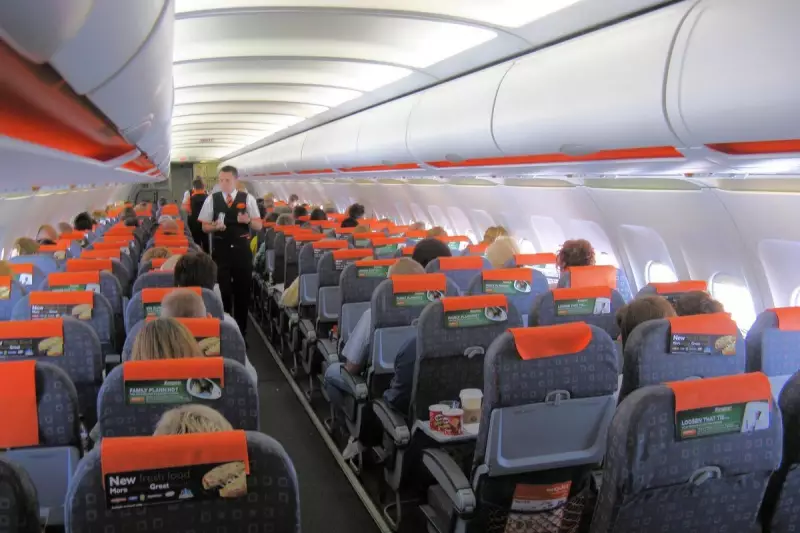
EasyJet has announced a significant update to its cabin baggage policy, affecting passengers travelling across Europe. The budget airline is tightening its rules to ensure consistency and reduce delays, but the changes may catch some travellers off guard.
What’s Changing?
The new policy enforces stricter size limits for cabin bags, with EasyJet staff now using sizing gauges at boarding gates to check compliance. Passengers are permitted one small cabin bag (maximum dimensions 45 x 36 x 20 cm) that must fit under the seat in front. Larger cabin bags (up to 56 x 45 x 25 cm) are still allowed but only for passengers who have paid for an upfront or extra legroom seat.
Why the Crackdown?
EasyJet claims the changes are necessary to standardise baggage allowances and prevent overpacking, which can cause boarding delays and operational issues. The airline has faced increasing problems with passengers bringing oversized bags into the cabin, leading to last-minute gate checks and flight disruptions.

What Happens If Your Bag Is Too Big?
If your cabin bag exceeds the permitted dimensions, you’ll be required to check it into the hold at the gate – and face a fee of up to £48. This applies even if you’ve already paid for an additional cabin bag. The only exception is for passengers with specific mobility needs or those travelling with infants.
Tips for EasyJet Travellers
- Measure before you fly: Use a tape measure to check your bag’s dimensions before heading to the airport.
- Consider priority boarding: Upfront or extra legroom seats include a larger cabin bag allowance.
- Pack light: Stick to essentials to avoid last-minute hold baggage fees.
The new policy is already in effect, so passengers booking EasyJet flights should review their baggage options carefully to avoid unexpected charges.






