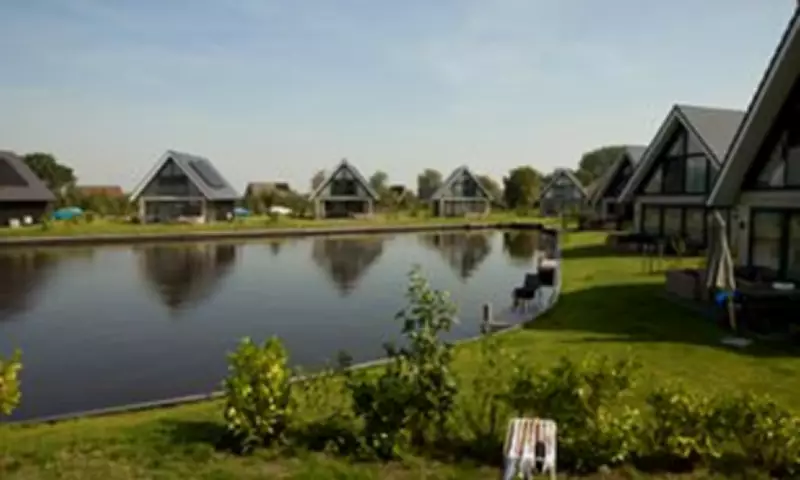
Dutch Holiday Parks Experience Unprecedented Booking Decline
Visitor numbers are experiencing a dramatic and concerning decline at holiday parks across a popular European destination. The Netherlands, renowned for its expansive green spaces, vibrant tulip fields, and cycling culture, is witnessing a significant drop in tourist interest despite its outdoorsy appeal. Bookings for holiday parks have fallen by 10 to 20 per cent this year during the Easter break compared to previous years, marking a stark reversal for the sector.
Tax Increases Blamed for Tourism Slump
Industry experts point to a substantial tax increase implemented in January as the primary culprit behind this downturn. The value-added tax (VAT) on holiday accommodations surged from nine per cent to 21 per cent, creating a considerable financial burden for tourists. Geert Dijks of the trade association Hiswa Recron emphasised this point, stating, 'That is the main reason. In addition, the tourist tax also plays a role.'
Dijks explained that municipalities, facing financial pressures, are increasingly taxing tourists who cannot vote locally, exacerbating the situation. He noted that the resulting booking decline is so severe it has 'never before' been experienced in the industry. Particularly affected regions include Limburg and Zeeland, where the proximity to countries with lower VAT rates, such as Germany, is driving visitors elsewhere.

Permanent Shift Feared as German Tourists Dwindle
The association is urgently calling for the government to reassess the VAT change, arguing that holidaymakers spending in parks also contribute significantly to local village economies. Dijks expressed deep concern that this tourism decline might be permanent rather than temporary, unlike previous drops seen during the pandemic. He highlighted the particular decrease in German visitors, warning they might permanently switch to other destinations.
'If you live in Limburg, for example, you are only a fifteen-minute drive from a country with lower VAT, and that makes a big difference in terms of money,' Dijks explained, underscoring the competitive disadvantage now faced by Dutch holiday parks.
UK Staycations Boom Amid Global Uncertainty
In stark contrast, the United Kingdom is experiencing a significant staycation boom as holidaymakers opt for domestic breaks in huge numbers. The conflict involving Iran has contributed to this surge, with holiday companies reporting patterns reminiscent of the pandemic era. During that period, prices soared by up to 100 per cent, with some Britons paying over £1,000 for short breaks.
Search and Booking Increases Reflect Changing Habits
Richard Young, CEO of selfcatering.co.uk, revealed that the holiday rental site saw a 37 per cent rise in UK staycation searches and bookings from the conflict's onset to mid-March. He attributed this increase to 'more travellers opting for the reassurance and value of staying closer to home.'
'Changes in global conditions and rising fuel costs can quickly shape how people approach their holiday plans,' Richard stated. 'When travelling abroad becomes more expensive and feels less certain, many start to consider options closer to home.' He added that similar patterns emerged during the pandemic, airline disruptions, and previous fuel price spikes.
Industry Echoes Staycation Trend
UK retreat specialist Together Travel reported a 50 per cent year-on-year increase in interest, echoing this trend. Managing director Laura Dubois commented, 'We saw a similar pattern during the early stages of the pandemic, when international travel became more complicated.'
She further explained, 'Travellers still want a proper break, but many prefer the reassurance of staying within the UK where plans feel more predictable and easier to manage. In some cases, people simply switch plans and look for somewhere closer to home where they can relax without worrying about potential disruption.'

Supporting this shift, Google searches for various UK destinations are currently soaring compared to last year, indicating a strong preference for domestic holidays. This divergence highlights how tax policies and global events are reshaping tourism landscapes, with the Netherlands facing an unprecedented challenge while the UK capitalises on a staycation resurgence.