In southwest Munich, the Schlachthofviertel district offers a raw alternative to the city's touristy beer halls. This area in flux is home to a theatre, a techno club, and an active slaughterhouse, blending gritty industrial heritage with creative energy.
The district's history dates to the 1870s, when a municipal slaughterhouse was built to improve hygiene after a cholera epidemic. While still in use, its reduced capacity has allowed creative entrepreneurs to repurpose unused spaces. In 2021, the Münchner Volkstheater moved here, raising fears of gentrification but also adding cultural cachet.
Visitors can explore butcher shops alongside cult dive bars. New additions include Mari, a female-run cafe on Adlzreiterstraße (where Einstein lived as a child), serving Korean-style marinated tofu. The Brotatelier bakery operates from a shipping container, using sourdough for everything from cinnamon buns to fougasse bread. Co-founder Christof Teriete notes the relaxed atmosphere, though fluctuating container temperatures challenge their starters.
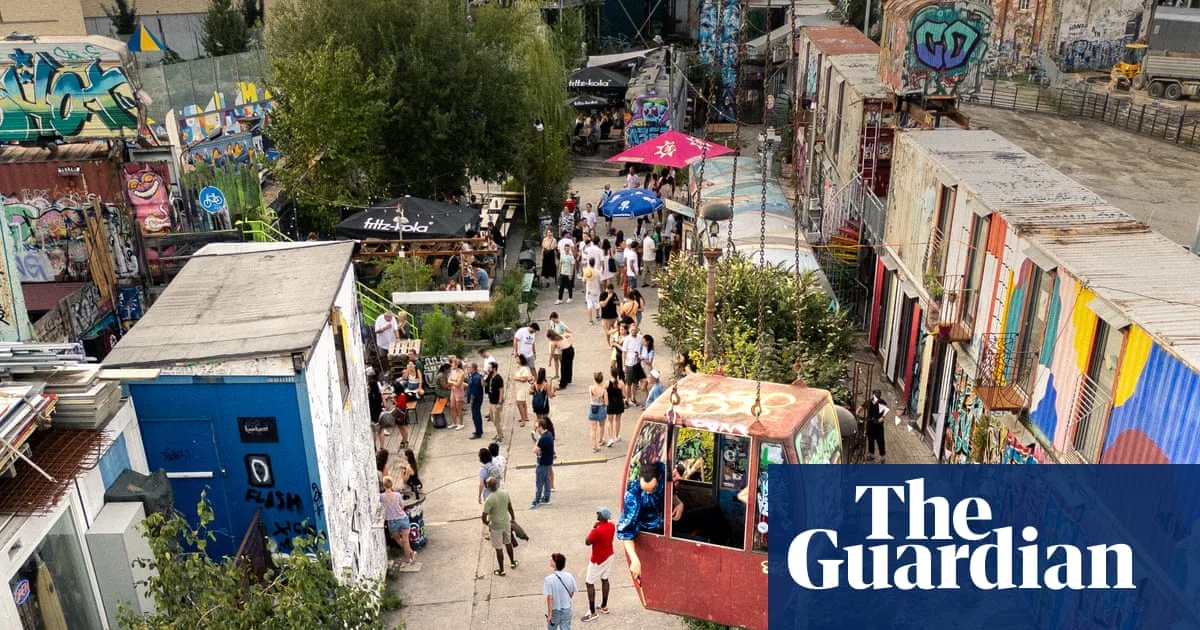
For drinks, Frisches Bier offers craft beers by Tilman Ludwig, plus independent labels. The decommissioned cattle market now houses the Volkstheater, hosting festivals like Radikal jung and U20 Poetry Slam. Next door, Bahnwärter Thiel is the heart of the underground scene, with graffitied containers providing studios for DJs, artists, and bakers. Kati Legge of High Five says, "It's not about comfort, it's about maximum inspiration."
Other highlights include Rindchen's Weinkontor for wine, Moss Concept Store for home accessories, and Alte Utting, a former passenger ship turned bar on a bridge. Accommodation is limited, but Cocoon Theresienwiese offers doubles from €80.