Cyprus Tourism Plummets 40% as Iran Conflict Sparks Mass Holiday Cancellations
Cyprus Tourism Dives 40% Amid Iran Conflict Cancellations

Cyprus Tourism Industry Reels from Iran Conflict Fallout

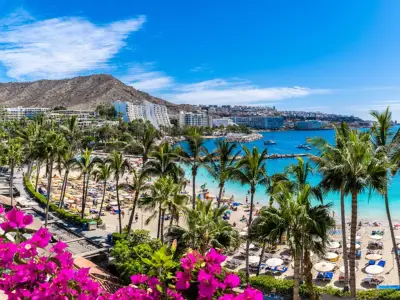
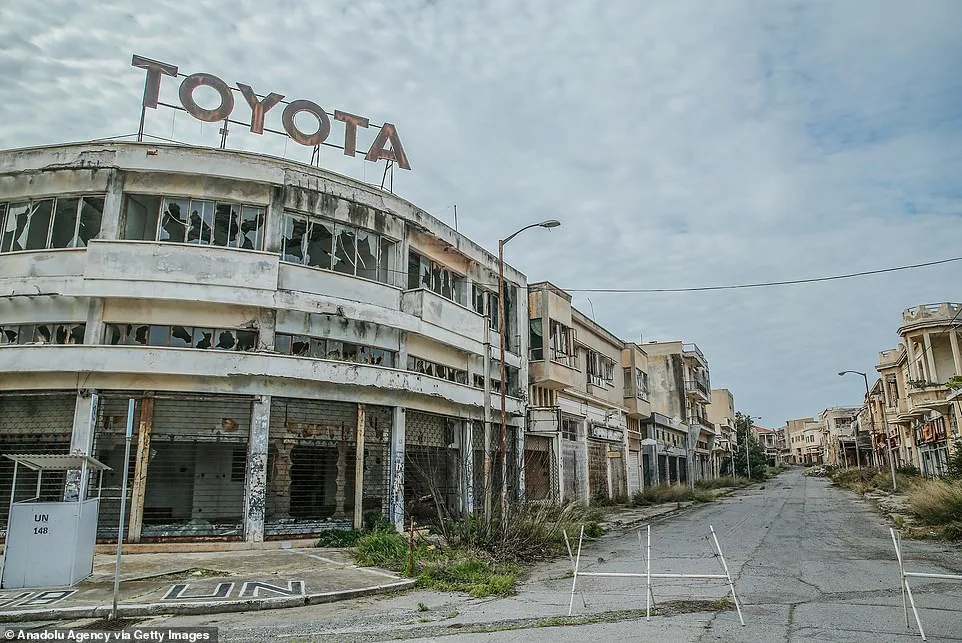
The escalating conflict between Iran and Western allies has triggered a severe tourism crisis in Cyprus, with new bookings plunging by 40 percent and cancellation rates soaring to unprecedented levels. Photographs from popular resorts like Limassol and Protaras reveal unusually deserted beaches and streets that are typically bustling with visitors during the spring season.

Immediate Impact Following Military Strikes

The tourism downturn began just as Cyprus was reopening for its peak season. On February 28, the United States and Israel launched attacks against Iran. The situation worsened dramatically on March 2 when a drone strike hit the British naval base at RAF Akrotiri in Cyprus, reportedly launched by pro-Iranian militias. This security incident placed the island directly within the regional conflict zone, sparking immediate panic among holidaymakers.

According to data from AirDNA, which tracks short-term rental bookings, daily cancellation rates in Cyprus skyrocketed from approximately 15 percent before the conflict to a staggering 100 percent in the immediate aftermath of the drone strike. Although rates have since moderated, they remained elevated at around 45 percent as of March 21.

Wide Pickt banner — collaborative shopping lists app for Telegram, phone mockup with grocery list

Industry Figures Reveal Devastating Numbers

Christos Angelides, director-general of the Cyprus Hoteliers Association, confirmed the scale of the damage. "We have witnessed a near 40 percent reduction in March bookings and a similar decline for April," he reported. This represents a significant blow for a nation that welcomed four million international visitors in 2025 and depends heavily on tourism, particularly from the United Kingdom where British travelers constitute approximately one-third of all arrivals.

The economic consequences are already materializing. Data from Lighthouse Intelligence shows accommodation prices for April and May in Cyprus were 12 percent lower in late March compared to pre-conflict levels. In neighboring Turkey's popular resort of Bodrum, prices dropped even more dramatically by over 25 percent.

Tour Operators and Airlines Feel the Pressure

Major hotel chains operating in Cyprus have reported severe disruptions. Muskita Hotels, which manages three properties on the island, experienced a wave of cancellations for March and April holidays alongside a sharp slowdown in bookings for the remainder of 2026. Similarly, Thanos Hotels and Resorts, operating four Cypriot hotels, reported sudden cancellation surges.

EasyJet chief executive Kenton Jarvis acknowledged the regional impact, stating, "If you look at a map of Europe, we saw obviously a drop in demand in Cyprus and Turkey and that side of Africa." The online travel firm On The Beach suspended its annual guidance after reporting a "significant slowdown in demand following the onset of conflict in the region," particularly affecting destinations like Turkey, Greece, Cyprus, and Egypt. Their shares plunged by as much as 13 percent earlier this month.

Geographical Vulnerability Amplifies Concerns

Cyprus's geographical position in the far eastern Mediterranean, merely 100 miles from the coasts of Lebanon and Syria, has amplified tourist anxieties as regional instability intensifies. As the conflict enters its fifth week, with continued Iranian attacks on Gulf states and Israeli strikes in Lebanon, uncertainty has caused many travelers to reconsider their holiday plans entirely.

This timing is particularly problematic with the Easter holidays approaching, traditionally a peak period for Mediterranean tourism. Locals express growing concerns about the potential long-term impact on their tourism-dependent economy.

Travelers Shift to Perceived Safer Destinations

As tourists abandon Cyprus and similar Mediterranean destinations, there has been a noticeable pivot toward locations perceived as more secure. Irene Hays, owner and chair of Hays Travel, noted that demand for holidays in Malta, Croatia, and Italy has "pushed some prices up" due to increased bookings.

Pickt after-article banner — collaborative shopping lists app with family illustration

Perhaps most strikingly, Caribbean destinations have experienced a remarkable surge in interest. Tour operator Kuoni reported a 20 percent increase in Caribbean bookings compared to the same period in 2025, while Italian bookings climbed by 55 percent. Research from TravelSupermarket analyzed searches between March 2 and 15, revealing extraordinary growth for specific Caribbean islands.

Caribbean destinations experiencing the most significant search increases include:

  • Turks and Caicos Islands: 119% surge
  • Dominican Republic: 100% increase
  • Tobago: 79% rise
  • St Lucia: 55% growth
  • Antigua: 53% increase
  • Jamaica: 49% rise
  • Aruba: 42% growth

Chris Webber, head of holidays and deals at TravelSupermarket, observed, "When global events change holiday plans, we tend to see travellers pivot quickly. The Caribbean is a natural beneficiary. What's striking here isn't just the overall jump in searches, but how broadly that interest is spread."

Discounts and Strategic Responses

In response to the crisis, travel firms have implemented aggressive pricing strategies to attract hesitant travelers. Package holidays to countries near the conflict zone are now being offered at remarkably low prices, with deals including seven nights in Turkey for just £100 per person and week-long Cyprus trips for £165 per person including flights.

Airlines have also adjusted their offerings. Ryanair is providing return flights from Stansted to Bodrum for £49 and to Paphos for £50. British Airways Holidays has reported increased Caribbean interest, with searches for Barbados up 46 percent and Antigua up 63 percent compared to the previous year. The airline has announced expanded Caribbean services for the coming winter season in response to shifting demand patterns.

The broader implications extend beyond tourism alone, affecting regional economies, airline profitability, and global travel patterns as geopolitical tensions reshape holiday decision-making across Europe and beyond.