Cuba's Tourism Industry Grinds to a Halt Amid Trump's Fuel Blockade
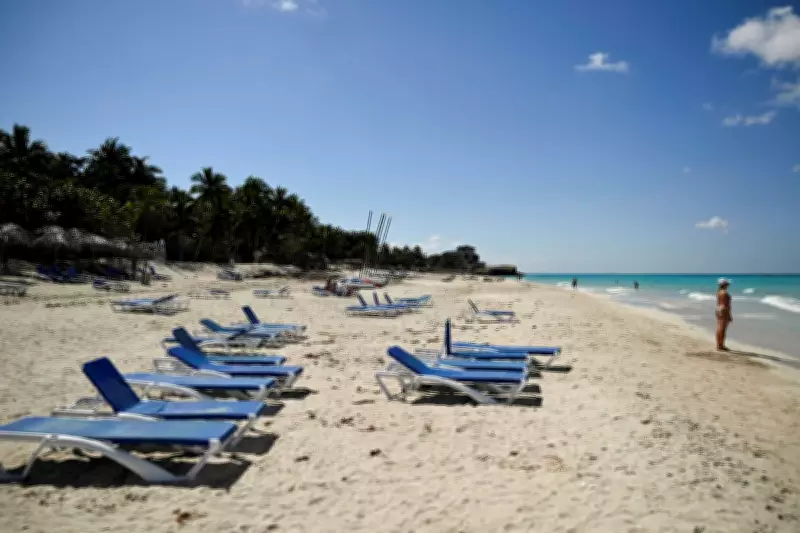
Three major Canadian airlines have suspended all flights to Cuba as the island nation faces a catastrophic jet fuel shortage, bringing its vital tourism industry to a complete standstill. The crisis represents the most severe threat to Cuba's economy in decades, with the picturesque Varadero peninsula now eerily quiet where once tourists thronged its famous beaches.
Major Airlines Ground Flights as Fuel Crisis Deepens
Air Canada, WestJet, and Transat have all suspended operations to Cuba, resulting in 1,709 flight cancellations through April alone. Aviation analytics firm Cirium projects this will slash visitor numbers by hundreds of thousands, dealing a devastating blow to an industry that earned Cuba $1.3 billion in foreign exchange in 2024, representing approximately 10% of the nation's total export earnings.
Russia, Cuba's third-largest source of tourists, has announced plans to evacuate all its citizens from the island and suspend all flights until the fuel situation improves, according to aviation regulator Rosaviatisa. The crisis extends beyond airlines to accommodation providers, with NH Hotels closing all its Cuban properties and Spanish chain Melia shutting three of its thirty hotels on the island.

Economic Domino Effect Threatens National Survival
"The complete collapse of Cuba's tourism sector would create an unsustainable situation for the Cuban economy and threaten its survival," said Paolo Spadoni, an economist at Augusta University in Georgia who specializes in Cuba's economy. Tourism, combined with the export of Cuban doctors and remittances from abroad, represents the country's primary sources of desperately needed hard currency.
All three revenue streams now face renewed pressure from the Trump administration, which has declared Cuba "an unusual and extraordinary threat" to U.S. national security. The administration has cut off the flow of Venezuelan oil to the island and threatened tariffs against any nation supplying Cuba with fuel.
Tourism Numbers Plummet to Historic Lows
Cuba attracted just 1.8 million visitors in 2025, down from 2.2 million the previous year and representing the lowest point in more than two decades. The island announced a critical jet fuel shortage on February 8th, sending shockwaves through the tourism industry that had already struggled to recover from the pandemic due to existing U.S. sanctions.
"There is just total uncertainty," said Alejandro Morejon, a 53-year-old tourism guide who began working in Varadero shortly after Cuba reopened to international tourism in the 1990s. "Everything is beginning to fall apart."
Daily Reality for Stranded Tourists and Workers
On the surface, Varadero maintains some semblance of normalcy with beach chairs and sun umbrellas still dotting the shoreline, but at least two hotels on the peninsula have confirmed closures. The Domina Marina resort, a massive complex built in the early 2010s, has shut its doors with its local phone number disconnected.
"We're just winging it, trying not to stress, because we don't want it to ruin our trip," said Tyler LaMountaine, an Alberta-based oil and gas industry worker who traveled to Cuba with his wife to escape Canada's winter. "But you get scared because everyone else is scared."
Local workers face increasingly dire circumstances as the U.S. fuel blockade enters its third week. Jorge Fernandez, who gives tourists tours of the peninsula in a pink 1950s-era convertible, said he had enough fuel for just one more day of work. "After that, it's back home to invent something else to do," the 53-year-old lamented.
Government Response and Contingency Planning
Cuba's communist government announced a contingency plan in early February to protect vital services like emergency care and primary education. Initially, officials claimed tourism and international flights would remain unaffected, but just two days later, the government notified aviation interests that the island would shortly run out of fuel.
Airlines across Europe, South America, the United States, Russia, and Canada have since slashed flights or been forced to change flight patterns to cope with the shortage. The crisis has exposed the vulnerability of an industry that had become crucial to Cuba's economic survival in the post-Soviet era.

"Trump and (Cuban President) Miguel Diaz-Canel need to come to some agreement because the only ones that are suffering here are the people," Fernandez said. "The country is shutting down." As the fuel blockade continues with no end in sight, Cuba faces the prospect of its tourism industry becoming the first major domino to fall in what appears to be a concerted U.S. effort to pressure the island's government into submission through economic strangulation.